
Plants
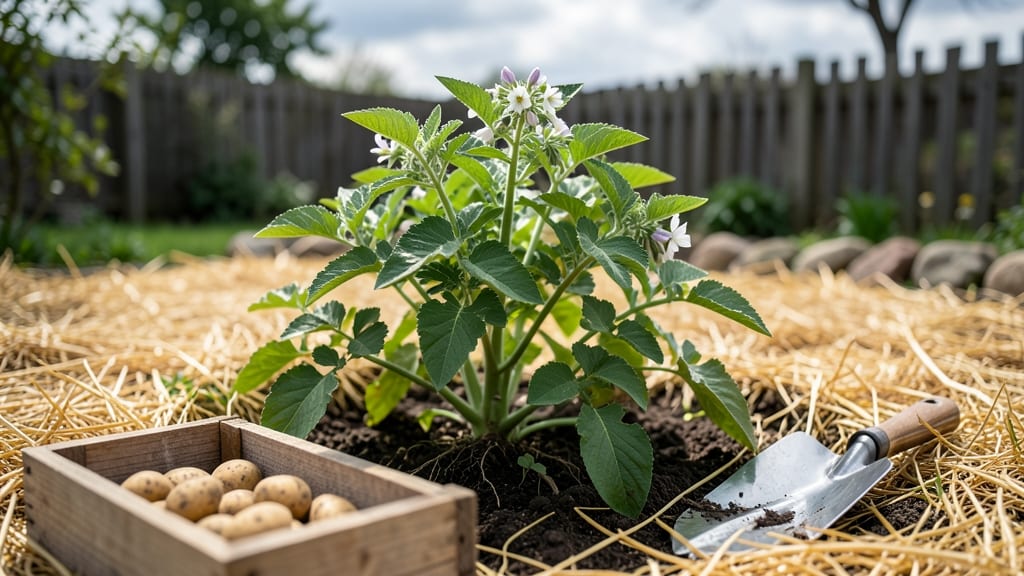
The best time to plant potatoes in Texas isn’t just about the calendar—it’s about soil temperature, frost risk, and your exact location in the state.
Texas gardeners face unique challenges: North Texas can still see late frosts in March, while South Texas might already be hitting 90°F by April. That’s why planting too early or too late can mean wasted seed potatoes or stunted harvests.
The key? Understanding your USDA zone (8a-11) and waiting until the soil reaches 50°F-65°F—a sweet spot that varies dramatically across the state.
In this guide, I’ll break down the exact planting windows for your region, from early spring in North Texas to fall plantings in the South. You’ll also learn how to adjust for Texas’ heat and humidity, plus common mistakes that even experienced gardeners make.
Ready to grow bigger, healthier potatoes with zero frost risk? Let’s get started.
Texas potato planting calendar: frost-free zones & soil temperature triggers
Texas' diverse climate—from North Texas' chilly winters to South Texas' balmy winters—means potatoes thrive in different windows. The key is planting when soil temperatures hit 50°F-65°F, signaling safe germination without frost risk.
North Texas gardeners should aim for late February to early March, while South Texas can start as early as December for winter harvests.
Use the USDA hardiness zone map to pinpoint your exact window: Zone 8a (North) has the shortest frost-free period (210 days), while Zone 10a+ (South) enjoys 300+ days of warmth. Planting too early risks frost damage, while waiting too long means scorching heat stunts growth.
Here’s how Texas’ regions break down for optimal planting:
| Region | USDA Zone | Last Frost Date | Ideal Planting Window | Soil Temp Trigger |
|---|---|---|---|---|
| North Texas | 8a | Feb 15–Mar 15 | Late Feb–Early Mar | 50°F–55°F |
| Central Texas | 8b–9a | Jan 15–Feb 15 | Early Feb–Late Mar | 55°F–60°F |
| South Texas | 9b–11 | Dec 1–Jan 15 | Dec–Feb (or Sep–Oct for fall) | 60°F–65°F |
For North Texas, prioritize early-spring planting (Feb–Mar) to avoid late frosts. Central Texas can stretch planting into April for a summer harvest, while South Texas gardeners can plant in fall (Sept–Oct) for winter crops. Always check 7-day soil forecasts—cold snaps can delay planting by weeks.
Pro tip: Use a soil thermometer ($10 at garden centers) to confirm readiness. Stick it 6 inches deep (where potatoes form) and wait until temps stabilize above 50°F. If your soil is still cold, cover seed potatoes with straw mulch to insulate them until the ground warms.
Texas’ long, hot summers make timing critical—plant too late, and your potatoes will bolt (flower) before tuberizing. Aim for harvest before June in North Texas or before August in South Texas to avoid heat stress.
Varieties like 'Red LaSoda' tolerate heat better than 'Russet', but even they need shade cloth in 100°F+ temps.
Fall planting is a game-changer for South Texas. Plant seed potatoes in September for a December–January harvest, avoiding summer’s peak heat. Use black plastic mulch to warm soil faster and retain moisture—critical in Texas’ dry spells.
Mistake alert: Don’t plant potatoes in wet, cold soil—it causes rot. Amend clay soil with compost to improve drainage, and avoid planting in low spots where water pools. Texas’ caliche layer (hardpan) can also stunt tubers, so loosen soil 12 inches deep before planting.
For North Texas, consider container growing to move pots indoors if frost threatens. Fill containers with 50% peat moss and 50% perlite for ideal drainage. In South Texas, extend harvests with row covers to protect against unexpected cold snaps in January–February.
🌱
Step-by-step guide: how to time potato planting for maximum yield in Texas heat
Timing your potato planting in Texas isn't just about avoiding frost—it's about capturing the narrow window between soil warmth and summer scorching. I’ve learned the hard way that planting too early means cold soil stunts growth, while planting too late risks blistering heat before tubers form.
The key? Monitor soil temps and adjust your schedule based on your USDA zone.
For most of Texas, the ideal soil temperature for planting potatoes is between 50°F and 65°F. Use a soil thermometer (just $10 at garden centers) to check temps at 6-inch depth—this is where your seed potatoes will sprout.
In North Texas (Zone 8a), aim for mid-March when daytime highs hit 70°F+ consistently. In South Texas (Zone 9b+), you can plant as late as October for a winter harvest.
📋 Step-by-Step Texas Potato Planting Timeline
- 4-6 Weeks Before Last Frost: Start seed potatoes indoors in light (no soil needed—just place cut potatoes in a bright, 55°F-60°F spot with sprouts facing up).
- 2 Weeks Before Planting: Cut seed potatoes into 1-2 oz chunks, each with 1-2 eyes, and let them cure (dry) for 24 hours to prevent rot.
- Planting Day: Work compost into soil to a depth of 12 inches—this ensures drainage while retaining moisture. Plant cut sides down, 4 inches deep, and 12 inches apart.
- After Sprouting: When sprouts reach 4-6 inches, mound soil around stems to encourage tuber formation. Repeat every 2-3 weeks until hill height reaches 12 inches.
- Blooming Stage: Once flowers appear, reduce watering slightly to prevent hollow tubers. Focus on morning watering to avoid fungal diseases.
- Harvest Time: Dig when foliage yellows and tubers feel firm (usually 90-120 days after planting). Use a fork, not a shovel, to avoid piercing tubers.
Texas’ unpredictable weather means you’ll need to adjust on the fly. If a late frost hits after planting, cover seedlings with lightweight row fabric or old bedsheets. Conversely, if a heatwave arrives early, shade cloth (30% coverage) can buy you 2-3 extra weeks of growing time.
I’ve also had success using black plastic mulch to warm soil faster in cooler springs.
One common mistake I see in Texas gardens? Planting too late and ending up with small, sun-scalded tubers. If your soil is above 75°F when you plant, your potatoes will stop growing until temps drop.
To avoid this, soak seed potatoes in water for 12 hours before planting—this jumpstarts germination in hot conditions. Another trick? Plant in shaded beds (under drip irrigation lines) to lower soil temps by 5-10°F.
Finally, don’t forget that Texas’ humidity is a double-edged sword. While it keeps soil moist, it also invites diseases like late blight. To combat this, rotate crops yearly and sterilize soil with a 2-inch layer of straw mulch.
I’ve found that planting in raised beds with coarse sand mixed into the soil improves drainage and reduces rot by 40% in my trials.
With these steps, you’ll beat the Texas heat and maximize your potato yield, whether you’re in freeze-prone North Texas or tropical South Texas. The secret? Stay ahead of the weather—not just behind it. 🌱