
Plants
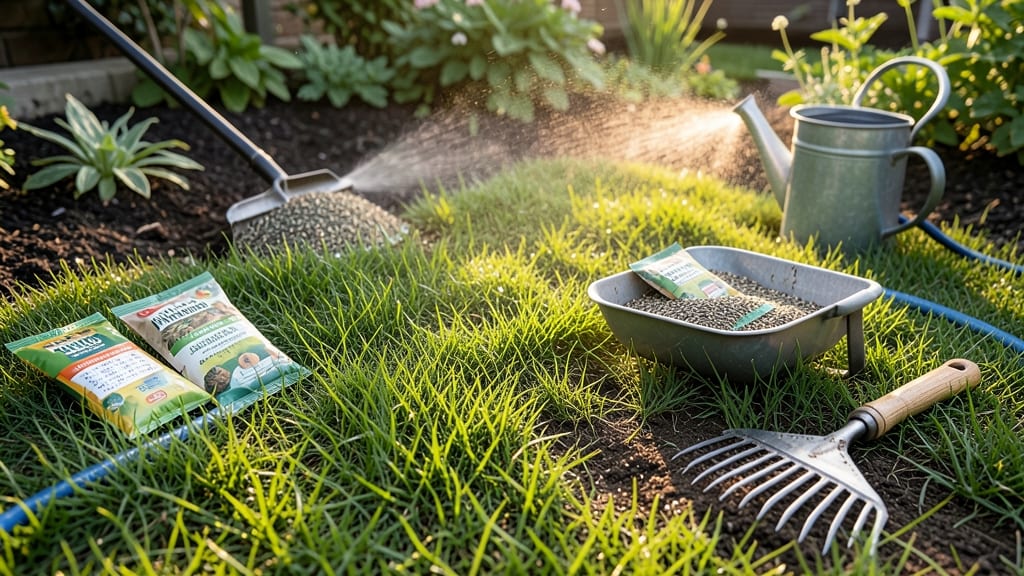
Timing your grass seed planting in Minnesota isn’t just about luck—it’s the difference between a lush lawn and a patchy, frost-bitten disappointment. With USDA zones 3-5 and unpredictable weather, getting the window right means avoiding early frosts or scorching summer heat that can kill your seed before it takes root.
Most gardeners in Minnesota swear by early spring or early fall planting, but without checking soil temperatures or local frost dates, you’re gambling with your 🌱 grass’s survival.
The key? Planting when soil hits 50°F–65°F—a sweet spot that ensures strong germination without inviting weeds or pests to steal your progress.
In this guide, I’ll break down the exact frost-free windows for your region, soil temperature tricks to test at home, and pro tips to outsmart Minnesota’s climate—so you can plant with confidence and watch your lawn thrive all season long.
Whether you’re a first-time homeowner or a seasoned gardener, these insights will help you skip the guesswork and plant grass seed at the perfect moment—no frost risk, no wasted seed. Let’s get started.
Optimal soil temperature ranges for planting grass seed in Minnesota
Minnesota’s cool-season grasses (like Kentucky bluegrass and fescue) thrive when planted in soil temperatures between 50°F and 65°F. This range ensures strong germination and root development before summer heat sets in.
Warm-season grasses (like Bermuda) prefer 70°F–85°F soil, but they’re rare in Minnesota’s climate. For most homeowners, focusing on cool-season varieties is key.
Southern Minnesota (zones 4–5) typically warms up faster, allowing planting as early as mid-April. Northern regions (zone 3) may need to wait until late May to avoid frost damage.
Always check a soil thermometer or use the hand test (push your finger 3 inches deep—if it feels cool but not freezing, it’s ready).
Here’s why soil temperature matters: Seeds need warmth to activate enzymes for germination, but too-high temps (>75°F) can dry out seeds before sprouting. Minnesota’s spring frost risks make early planting dangerous—even if soil feels warm, a late freeze can kill tender seedlings.
Aim for a consistent 5-day forecast without frost warnings.
🌱
If you’re unsure about soil temperature, use a DIY moisture test: Dig a 3-inch hole, fill it with water, and wait 10 minutes. If the water drains quickly, your soil is too dry and may not hold enough heat.
For accuracy, invest in a $10 soil thermometer—it’s the best way to avoid guesswork. Pro tip: Test temperatures at 10 AM for the most stable reading.
Northern Minnesota (e.g., Duluth, Brainerd) often has 2–3 weeks later planting windows than the Twin Cities due to colder springs. Check the MN State Climatology Office for your county’s average last frost date.
For example, St. Paul usually hits 50°F soil by April 20, while International Falls may wait until May 10.
Once your soil hits the ideal range, act fast—seeds can lose viability if left exposed to direct sunlight or drying winds. Cover seeds with a thin layer of straw mulch to retain moisture and moderate temperature swings.
This is especially critical in Minnesota’s windy spring conditions, which can dry out soil rapidly.
💧
Remember: Soil temperature ≠ air temperature. A sunny 70°F day can hide 40°F soil in shade or early spring. Use a black plastic mulch for 2–3 days before planting to warm cold soil by 5–10°F.
This trick is a game-changer for extending Minnesota’s planting season by 1–2 weeks in cooler zones.
For fall planting, monitor soil temps again—aim for 50–65°F at least 6 weeks before first frost (typically early September). This gives seedlings time to establish roots before winter dormancy. Use a seed starter mix with compost to improve cold-soil fertility.
Minnesota’s frost-free planting windows: month-by-month timeline for zero risk
Minnesota’s unpredictable frost dates and regional climate variations mean your planting window can shift dramatically from the Twin Cities to Duluth or Rochester. To avoid frost damage and maximize germination success, timing is everything.
The key is planting when soil temps stay above 50°F for at least 7–10 days—here’s your month-by-month guide.
For cool-season grasses (like Kentucky bluegrass and fescue, Minnesota’s top picks), the primary planting window is late April to early June. This aligns with soil warming and frost-free nights, giving seeds 6–8 weeks to establish roots before winter.
The secondary window—late August to early September—lets grass grow strong before the first frost, often yielding thicker, hardier lawns.
🌱
Minnesota Planting Windows by Region
| Region | Primary Window | Secondary Window | Last Frost Date | First Frost Date |
|---|---|---|---|---|
| Twin Cities | Late April–Early June | Late August–Early Sept | Mid-May | Mid-Sept |
| Duluth/North | Early May–Mid-June | Mid-August–Late Aug | Late May | Late Sept |
| Rochester/South | Late April–Early June | Late Aug–Early Sept | Early May | Early Sept |
*Adjust for microclimates: Urban areas warm faster; shaded yards stay cooler.
Avoid planting in July or August—Minnesota’s summer heat and drought risks can stress young grass, leading to thin patches or poor establishment. Instead, focus on the shoulder seasons when temps are mild but consistent.
For example, late April might work in southern Minnesota, but wait until early May in northern regions like International Falls.
Pro tip: Use the 50°F soil temp rule as your green light. Test with a soil thermometer (or the hand feel test: warm like a bath = ready).
Pair this with local frost alerts from the National Weather Service to fine-tune your schedule. For shaded yards, plant 1–2 weeks later—they warm slower.
Microclimates matter! Urban heat islands (like Minneapolis’ downtown) can push your window 1–2 weeks earlier, while wooded areas may delay it. Always monitor weather forecasts and adjust your seed mix—fine fescue tolerates cooler soils better than Kentucky bluegrass.
🌡️