
Plants
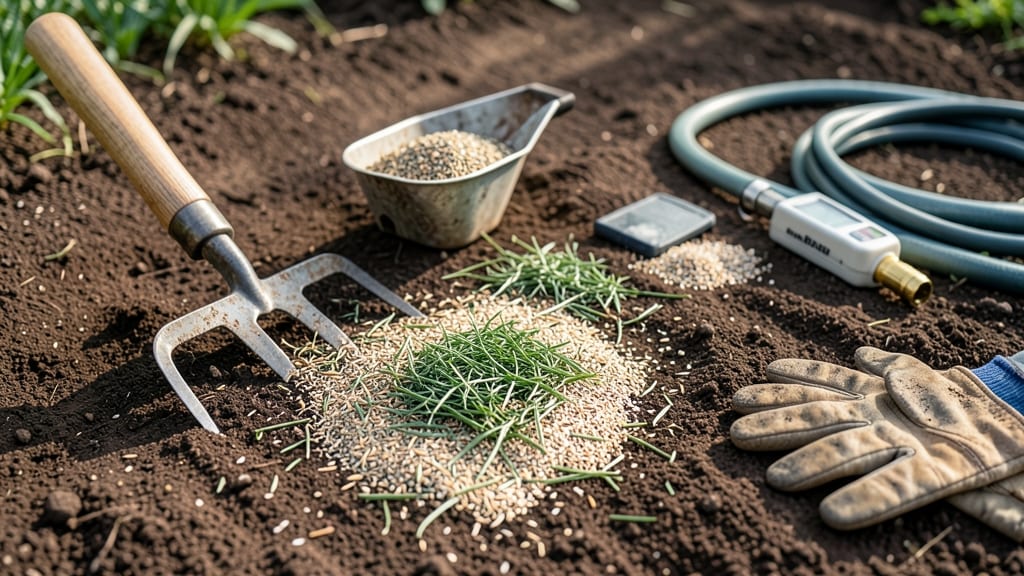
Knowing when in spring to plant grass seed can make or break your lawn—because planting too early risks frost damage, while waiting too long means missed germination windows. The perfect timing depends on soil temperatures, frost-free dates, and even your region’s climate quirks.
For most gardeners in USDA Zone 6a, the ideal window is early to mid-spring when soil warms to 50–65°F—typically April in many areas.
But here’s the catch: cool-season grasses like fescue need that 4–6 week buffer before the last frost, while warm-season types like Bermuda grass wait until soil hits 60°F+.
I’ll break down exactly how to check soil temps (no fancy tools needed!), spot common planting mistakes, and tailor timing to your region—so you can skip the guesswork and get that 🌱 lush lawn growing strong.
Whether you’re seeding a new yard or patching bare spots, getting this right means fewer weeds, faster coverage, and a lawn that actually stays green. Let’s dive into the details!
Optimal spring soil temperatures for planting grass seed by region
Planting grass seed at the right time in spring is all about soil temperature, not just air temperature. Cool-season grasses like Kentucky bluegrass and fescue need soil temps between 50°F and 65°F to germinate properly.
Warm-season grasses such as Bermuda and Zoysia prefer warmer soil, ideally 60°F to 75°F. Getting this wrong can leave your lawn patchy or stunted.
Your USDA Hardiness Zone plays a huge role in determining the perfect planting window. For example, gardeners in Zone 3 (like Minnesota) should wait until late April or early May, while those in Zone 10 (like Southern California) can plant as early as February.
The key is to avoid planting when frost is still a risk or when soil is too cold for germination.
Here’s how to match your region to the best planting conditions:
| USDA Zone | Ideal Soil Temp | Best Planting Month | Grass Type |
|---|---|---|---|
| Zones 3-5 | 50°F - 60°F | Late April - Early May | Cool-season (Fescue, Ryegrass) |
| Zones 6-8 | 55°F - 65°F | April - Early June | Cool-season (Kentucky Bluegrass) or Warm-season (Bermuda) |
| Zones 9-10 | 60°F - 75°F | February - March | Warm-season (Zoysia, St. Augustine) |
If you plant too early in cold soil, seeds may rot before germinating. Conversely, planting too late can leave your lawn vulnerable to summer heat stress. For example, in Zone 7, early April might be too risky for cool-season grasses, but by mid-April, soil temps are usually perfect.
Always check a 7-day frost forecast before committing to a planting date.
Another critical factor is microclimates. Urban areas often warm up faster than rural zones due to heat islands, so city gardeners can plant 1-2 weeks earlier than their rural neighbors.
Conversely, shaded lawns or north-facing slopes stay cooler longer, delaying your planting window by up to 3 weeks. Use a soil thermometer to confirm conditions before spreading seed.
For cool-season grasses, aim to plant 4-6 weeks before your last frost date. This gives seedlings time to establish roots before summer heat arrives. Warm-season grasses, however, should wait until after the last frost when soil is consistently above 60°F.
In Zone 5, this might mean waiting until early June, while Zone 9 gardeners can plant as early as March.
Pro tip: If you miss the spring window, don’t despair! Many cool-season grasses can also be planted in early fall (6-8 weeks before first frost) for a second chance at a lush lawn.
Warm-season grasses, however, must be planted in spring to thrive. Always match your grass type to your climate for the best results.
One common mistake is relying on air temperature instead of soil temperature. A sunny 70°F day might feel perfect, but if the soil is still 45°F, your seeds will struggle. Invest in a $10 soil thermometer—it’s the best way to avoid costly mistakes.
Planting at the right time ensures your grass seed germinates quickly, outcompetes weeds, and establishes a dense, healthy lawn before summer stress sets in.
🌱
How to check soil temperature and avoid common spring planting mistakes
Spring’s unpredictable weather makes soil temperature the most critical factor for successful grass seed germination. Planting too early when soil is still cold can leave seeds dormant or rot, while waiting too long risks summer heat stress.
I’ve learned the hard way—my first attempt at overseeding in March resulted in patchy growth because the soil was only 45°F instead of the ideal 50°F+.
To avoid these mistakes, start by testing your soil’s temperature 1-2 inches deep, where the magic happens for grass seed. You can use a soil thermometer (just $10 at garden centers) or even a free DIY method: stick a meat thermometer into the soil for 30 seconds.
Most gardeners overlook this step, but it’s the difference between a thick lawn and wasted seed.
Here’s what you need to know: Cool-season grasses (like Kentucky bluegrass or fescue) thrive when soil hits 50-65°F, while warm-season varieties (Bermuda, Zoysia) need 60-75°F. Check temperatures morning and evening for 3 days—if they’re consistently in your grass type’s range, it’s go-time.
Pro tip: Rural areas warm faster than cities due to less concrete, so adjust your timeline accordingly.
🚨 3 Critical Mistakes That Kill Grass Seed Before Germination
- Planting too early: Soil below 50°F stalls germination. March is risky in most regions.
- Ignoring frost forecasts: A late frost after planting can bury seeds under ice, suffocating them.
- Skipping soil prep: Compacted or clumpy soil blocks water/air—loosen it with a rake first!
These errors cost me $80 in seed last year. Don’t let it happen to you!
Once you’ve confirmed the right temperature, prep your soil by removing debris and leveling the area. Loose, crumbly soil lets roots establish faster, while compacted ground traps moisture and invites fungal diseases.
I use a broadfork to aerate my lawn in early April—it’s the best $50 investment for seed success. After prepping, lightly rake to create a firm, smooth surface (like a golf green) for even seed distribution.
Watering is another pitfall. Newly planted grass needs 1/2 inch of water daily for the first 2 weeks, but most gardeners either overwater (causing runoff) or underwater (leading to dry spots).
I set a rain gauge to track moisture—aim for consistent dampness, not soggy soil. Early morning watering (before 10 AM) minimizes evaporation and fungal risks.
Finally, resist the urge to walk on or mow new grass until it reaches 3-4 inches tall. I’ve seen neighbors mow too soon, shearing off delicate seedlings.
Instead, wait for uniform green coverage (usually 4-6 weeks after planting) before your first mow. Patience here pays off with a thicker, more resilient lawn.
By mastering soil temperature checks and avoiding these common mistakes, you’ll give your grass seed the best possible start. Trust me—your future self (and your lawn) will thank you when you see those first green blades push through the soil in late April or May.