
Plants
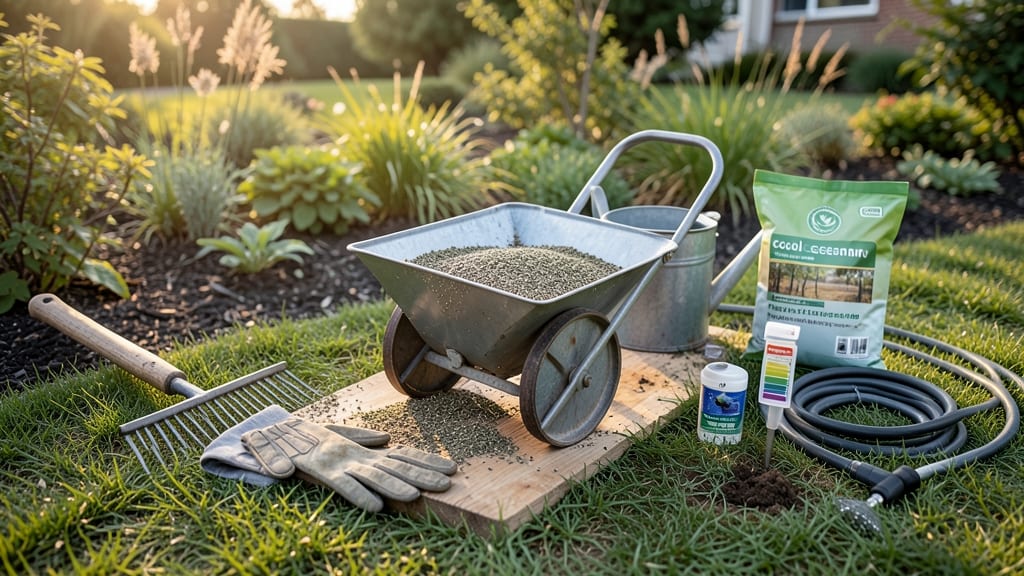
If you’ve ever stared at a patchy lawn and wondered when is the best time to plant grass seed in California, the answer isn’t one-size-fits-all—especially when coastal breezes clash with inland heat.
Whether you’re in frost-prone USDA Zone 7 or sunbaked Zone 10, timing your 🌱 grass seed just right means the difference between a thriving lawn and wasted effort.
Most gardeners assume spring is the only window, but California’s diverse microclimates flip the script. Coastal areas like San Francisco thrive with fall plantings, while inland spots near Sacramento need to act fast in early spring before summer’s brutal dry spell kicks in.
Even the grass type matters—cool-season varieties like fescue love fall, while Bermuda grass waits for summer’s warmth.
Here’s the game-changer: soil temperature. Aim for 60–75°F—too hot or cold, and your seeds will either bake or freeze. I’ll break down the exact months for your zone, plus how to prep soil and water like a pro to beat drought restrictions.
Let’s get that lawn looking lush without the guesswork.
Skip the trial-and-error. Whether you’re battling 3 PM coastal fog or 110°F inland afternoons, this guide cuts through the noise with California-specific tips. Ready to plant with confidence? Let’s dive in.
Optimal grass seed planting times by California climate Zone
California’s diverse climate means one planting window doesn’t fit all. Coastal areas like San Francisco thrive with fall planting (September–November), while inland zones such as Sacramento prefer spring (March–April).
The key? Soil temperatures between 60–75°F and avoiding extreme heat or frost. Let’s break it down by region to ensure your grass seed gets the perfect start.
For coastal California (USDA Zones 9–10), mild winters and summer fog create ideal conditions for cool-season grasses like Kentucky bluegrass. Plant in early fall (September–October) to let roots establish before winter rains. Southern California (Zone 10a) can also plant in late winter (February–March) for warm-season grasses like Bermuda.
Inland California (Zones 7–8) faces hotter summers and colder winters, making spring planting (March–April) the safest bet. Avoid planting in summer (June–August)—the heat will dry out seeds before germination. Evenings with 60°F soil temps signal readiness for seeding.
Desert regions like Palm Springs (Zone 10b) have unique timing: late fall (November) or early spring (February) to escape summer’s 110°F+ soil. Use drought-tolerant grasses like Buffalo grass and water deeply but infrequently to survive.
🌱
| Climate Zone | Best Planting Window | Soil Temp Range | Grass Type | Key Cue |
|---|---|---|---|---|
| Coastal (San Francisco, LA) | Fall: Sep–Nov | 60–70°F | Cool-season (Kentucky bluegrass) | First steady rains |
| Inland (Sacramento, Fresno) | Spring: Mar–Apr | 65–75°F | Tall fescue, Bermuda | Soil warmer than 60°F |
| Desert (Palm Springs, Yuma) | Fall: Nov or Spring: Feb | 55–65°F | Buffalo grass, Zoysia | No summer heat |
Pro tip: Use a soil thermometer to check temps before planting.
Coastal areas can seed up to December, while inland zones should finish by May to avoid summer dormancy. Watering schedules also shift—coastal grass needs daily light watering in fall, while inland grass benefits from deep, infrequent watering in spring.
If you’re in transition zones (e.g., Santa Barbara), split your seeding: 50% in fall and 50% in spring for year-round coverage. This hedge against unpredictable coastal weather ensures your lawn stays green regardless of seasonal shifts.
For warm-season grasses like Bermuda, timing is even tighter. Plant only when soil temps exceed 70°F—typically late spring (May) in inland areas. Coastal zones can delay until June to avoid heat stress on young seedlings.
🌿
Remember: California’s microclimates mean your neighbor’s perfect timing might fail for you. Check local USDA Zone maps and monitor weekly rainfall forecasts—natural irrigation can make or break your grass’s first weeks. Next, we’ll dive into the key factors that determine the perfect planting window for your specific location.
Key factors that determine the perfect planting window
California’s diverse climate means one planting time doesn’t fit all. Your success hinges on three critical factors: soil temperature, rainfall patterns, and your local microclimate. For example, the Bay Area’s coastal fog keeps soil cooler than the Central Valley’s baking summers—even in the same month.
Soil temperature is your #1 guide. Grass seed needs soil between 60–75°F to germinate. Inland areas like Sacramento hit this range in late March–April, while coastal zones like Santa Barbara can start as early as February. Use a soil thermometer to check—don’t guess!
🌱 California Grass Planting Factors
| Factor | Coastal Zones | Inland Zones |
|---|---|---|
| Soil Temp Range | 60–70°F (Feb–Mar) | 65–75°F (Apr–May) |
| Rainfall Needs | Natural winter rains | Irrigation required |
| Best Grass Types | Fescue, Ryegrass | Bermuda, Buffalo |
| Frost Risk | Low (Zone 9–10) | Moderate (Zone 7–8) |
Rainfall is your secret weapon in coastal areas. Winter rains (November–March) provide natural moisture, making fall planting ideal. Inland zones rely on irrigation, so schedule planting when you can commit to daily watering for 3 weeks.
Pro tip: Use a drip irrigation system to save water and keep soil consistently moist.
Microclimates create local variations even within cities. For instance, Los Angeles’ San Fernando Valley (inland) may need to wait until May, while Malibu’s coastal strip can start in February.
Check your USDA Zone (most of CA is Zone 7–10) and observe your yard’s sun exposure—shady spots stay cooler longer.
Don’t overlook grass type compatibility. Cool-season grasses (like Kentucky bluegrass) thrive in fall, while warm-season types (like Zoysia) prefer spring. Mixing types? Plant cool-season in fall and warm-season in late spring for year-round coverage.
Your last frost date is non-negotiable. Inland areas (e.g., Sacramento) average January–March frosts, while coastal zones (e.g., San Diego) rarely see frost. Wait until 2 weeks after your local last frost to plant—this gives seedlings a head start before heat stress.
Timing isn’t just about months—it’s about conditions. Monitor your yard daily: soil should be warm to the touch, and you should see consistent moisture (either from rain or irrigation). When these align, you’ve hit the perfect planting window for your California zone. 🌱