
Plants
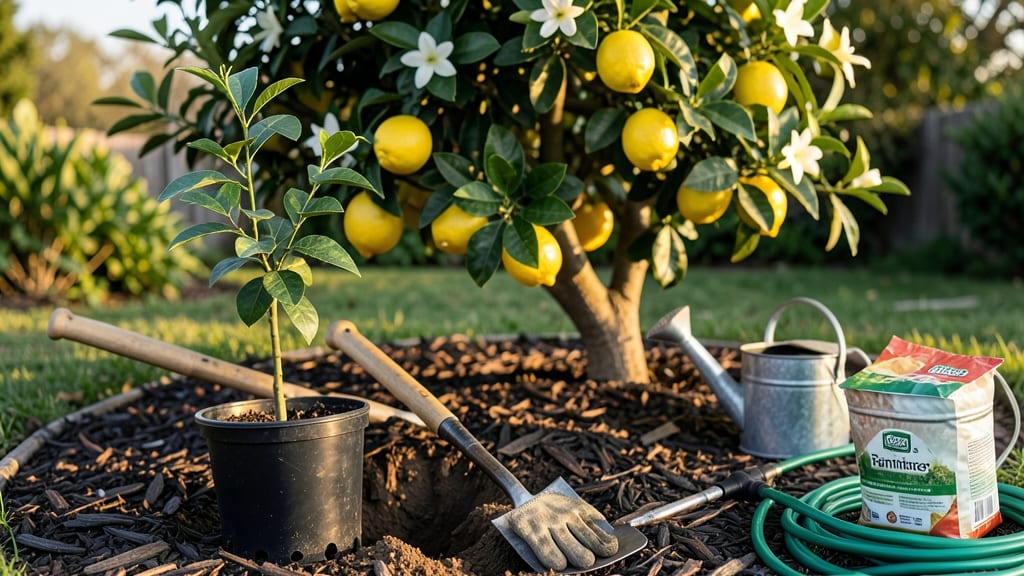
Timing your citrus planting in Arizona can mean the difference between a thriving 🍊 tree and one that struggles to survive. The cool winter months—November through February—are your golden window for planting citrus, when temperatures are mild enough to help young roots establish without stress.
Why does this matter? Arizona’s heat zones create microclimates where a tree planted too early might face frost damage, while one planted too late could wilt under summer’s intensity. I’ll break down the best months for your specific region, whether you’re in Phoenix’s desert heat or Flagstaff’s cooler elevations.
You’ll discover how to prep your soil, choose the right varieties like Meyer lemons or Satsumas, and avoid common mistakes that derail citrus growth. Let’s get your citrus off to the perfect start—because patience now means bigger harvests later.
From frost-free dates to watering schedules tailored to Arizona’s climate, I’ve got the insider tips to help your citrus tree thrive year-round. Ready to plant with confidence? Let’s dive in.
Best Arizona heat zones for citrus planting and their ideal timing
Arizona’s diverse climate creates 10 distinct heat zones that dramatically impact citrus planting success. Unlike coastal regions, Arizona’s USDA Zones 9-11 overlap with extreme temperature swings—from 110°F summers to rare 20°F winter frosts in high elevations.
Understanding your specific heat zone ensures you plant citrus when the root zone temperature stays above 45°F for optimal growth.
Citrus thrives in Arizona’s Low Desert (Zones 10-11), where frost is rare and winters are mild. However, even here, November-February remains the safest window—balancing cool soil temps and minimal pest pressure. Meanwhile, High Desert (Zones 8-9) gardeners must wait until April-May when nighttime temps consistently stay above 50°F.
Key temperature thresholds: Citrus roots need 60°F+ soil temps to establish, while below 40°F risks root rot. Leaf burn occurs at 32°F, but Meyer lemons tolerate 25°F for short periods. Your microclimate (urban vs. rural, elevation shifts) can shift these thresholds by 5-10°F.
Arizona State University’s Heat Zone Map divides the state into: - Zone 1 (Low Desert): Phoenix, Tucson (ideal for year-round citrus) - Zone 5 (Transition): Prescott, Sedona (plant in spring only) - Zone 9 (High Desert): Flagstaff (wait until late May)
| Heat Zone | USDA Zone | Best Planting Window | Soil Temp Threshold | Key Varieties |
|---|---|---|---|---|
| Low Desert (Phoenix/Tucson) | 10-11 | November–February | 60°F+ | Meyer lemon, Valencia orange, Satsuma |
| Transition (Prescott) | 9a-9b | April–May | 55°F+ | Calamondin, Kumquat |
| High Desert (Flagstaff) | 8a-8b | Late May–June | 65°F+ | Dwarf citrus (potted only) |
🌡️ Pro Tip: Use a soil thermometer to verify temps before planting.
Avoid planting in September-October—even in the Low Desert—because monsoon humidity and soil-borne pathogens spike during this period. Instead, aim for cool-season planting when daytime highs stay below 85°F and nighttime lows don’t drop under 50°F. This 3-month window (Nov-Feb) gives roots time to establish before summer’s intensity.
For container-grown citrus, timing shifts slightly: March-April works in Zones 10-11, while June is safer in Zone 9. Containers heat up faster, so shade cloth becomes critical during summer months. Dwarf varieties like Calamondin adapt better to late planting than standard trees.
Microclimates play a huge role—even within Phoenix, urban heat islands can push soil temps 10°F higher than rural areas. If your yard has afternoon shade (e.g., near a wall or tree), you can plant 1-2 weeks earlier than the zone average.
Conversely, south-facing slopes may require delayed planting by 3-4 weeks.
Citrus trees planted in spring (March-April) often struggle with transplant shock as summer heat arrives. The root system hasn’t established enough to handle 100°F+ days, leading to leaf drop and poor fruiting. Prioritize winter planting for maximum root growth before the heat ramps up.
One common mistake? Assuming all of Arizona is frost-free. Even in Zone 10, January frosts can dip to 28°F in unexpected pockets.
Protect young trees with frost cloth or windbreaks during December-February. Meyer lemons are the hardiest choice for Zone 9, while Satsumas thrive in Zone 10.
Step-by-step citrus planting schedule by month for Arizona’s climate
Arizona’s cooler months create the perfect window for citrus planting, but each month offers unique advantages. From October’s mild temperatures to February’s frost-free guarantee, timing directly impacts root establishment and early growth. Here’s my month-by-month breakdown to help you plant with confidence.
Start by testing your soil’s pH (aim for 6.0–7.0) and amending it with compost or citrus-specific fertilizer. In low-desert areas like Phoenix, you can plant as early as October, while higher elevations like Flagstaff should wait until November to avoid unexpected cold snaps.
🌱 October: Ideal for low-desert zones (USDA 10-11). Soil is still warm from summer, helping roots establish quickly. Plant dwarf varieties like Meyer lemons or Calamondins—they adapt faster to Arizona’s heat. Water deeply 3x weekly to reduce transplant shock.
📅 November–February: The sweet spot for all Arizona zones. November offers cooler nights (ideal for root growth), while December and January provide frost protection. February is riskier in high elevations—wait until temps stay above 50°F at night.
After planting, monitor for transplant shock (yellowing leaves, wilting). If you notice leaf drop, increase shade for 2–3 weeks and water at the base of the tree (never the foliage). In high-desert areas, group citrus with windbreaks like yucca or palo verde to protect tender new growth.
Remember: Citrus trees planted in Arizona’s winter reward you with faster fruiting and longer productivity. Skip the rush—patience in planting pays off with juicy, homegrown oranges and lemons by next summer! 🌞