
Plants
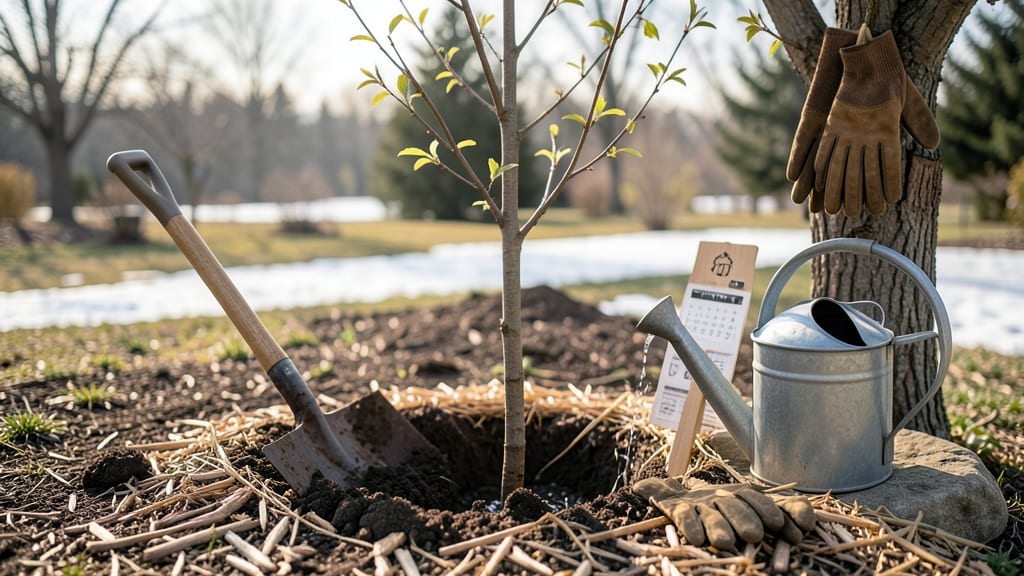
The best time to plant a tree in Iowa isn’t just about the calendar—it’s about giving your 🌳 the fighting chance it needs to survive Iowa’s brutal winters and scorching summers.
Get the timing wrong, and your sapling might freeze before it takes root or wilt under early spring heat. But plant it right—during Iowa’s frost-free window—and you’ll set your tree up for decades of strong growth and resilience.
Whether you’re in Zone 5a-6b or a specific Iowa county, I’ll break down exactly when to plant for maximum success—plus the best tree species for your climate and how to prep your soil.
Ready to make your tree thrive? Let’s dive into the perfect planting schedule for Iowa’s unpredictable weather.
Iowa’s frost-free window: county-by-county planting calendar
Iowa’s USDA Hardiness Zones 4a-5b mean your tree’s survival hinges on planting during the frost-free window. Northern counties like Lyon or Sioux face harsher winters, while southern areas like Appanoose or Davis enjoy slightly longer growing seasons.
The key? Plant when soil temps hit 40°F+ and avoid late spring frosts that can kill tender roots.
For bare-root trees, aim for late winter/early spring (March–early April) before buds swell. Container-grown trees, however, offer more flexibility—plant them fall or spring as long as the ground isn’t frozen.
Iowa State University’s climate data shows average last frost dates range from April 10 (north) to April 25 (south), so adjust accordingly.
🌱
Fall planting is ideal for container-grown trees because cooler temps reduce transplant shock. Aim to plant 6–8 weeks before ground freezes (typically mid-October in most of Iowa). For bare-root trees, however, spring is safer—they’re dormant and less stressed during thawing soil.
Urban areas like Des Moines or Cedar Rapids face extra challenges: compacted soil and limited space. Amend soil with compost and choose smaller varieties like Japanese maple or crabapple. Rural plots? Go for fast-growing oaks or walnuts—they’ll outpace pests and drought faster.
Pro tip: Mulch heavily (3–4 inches) after planting to insulate roots. Use shredded bark, not rocks—rocks reflect heat and can burn roots in summer. Water deeply once a week for the first year, even if rain falls.
Watch for early spring thaws that can fool you into planting too soon. A hard freeze after planting can kill tender roots. Use a soil thermometer—plant only when temps stay above 50°F for 3+ days. Patience pays off: trees planted in the right window grow 30–50% faster.
For fruit trees, Iowa’s climate demands chill hours (300–1,000 hours below 45°F). Apples and cherries need 500–800 hours, so choose varieties like Honeycrisp or Montmorency tart cherry. Plant them fall or early spring to maximize root growth before dormancy.
🌿
Best tree species for Iowa’s planting timeline: fast-growing vs. cold-hardy
Choosing the right tree for Iowa means balancing fast growth with winter hardiness. My top picks thrive in Iowa’s USDA Zones 4a-5b, surviving -30°F winters while still putting on impressive height. For example, Swedish white pine grows 2-3 feet yearly and handles Iowa’s cold snaps like a champ.
If you’re in a hurry, hybrid poplars are my go-to—they shoot up 3-5 feet annually but need protection from strong winds. For shade lovers, sugar maples are legendary, though they take 10-15 years to mature. Their brilliant fall colors make the wait worth it!
🌳
For urban spaces, dwarf fruit trees like apple or cherry varieties are game-changers. They fit small yards, produce fruit in 3-5 years, and handle Iowa’s winters beautifully. Just plant them in well-draining soil and avoid low spots where frost lingers.
If you’re planting in fall (October-November), opt for bare-root trees like honey locust or black walnut. Their roots establish before winter, giving them a head start.
Spring plantings? Go for container-grown trees like redbud or serviceberry—they’re less stressed and ready to grow as soon as the soil thaws.
Pro tip: Mulch heavily (3-4 inches) around your new tree to insulate roots. In Iowa’s freeze-thaw cycles, mulch prevents soil heaving and keeps roots stable. Just keep mulch 6 inches away from the trunk to avoid rot.
🌿