
Plants
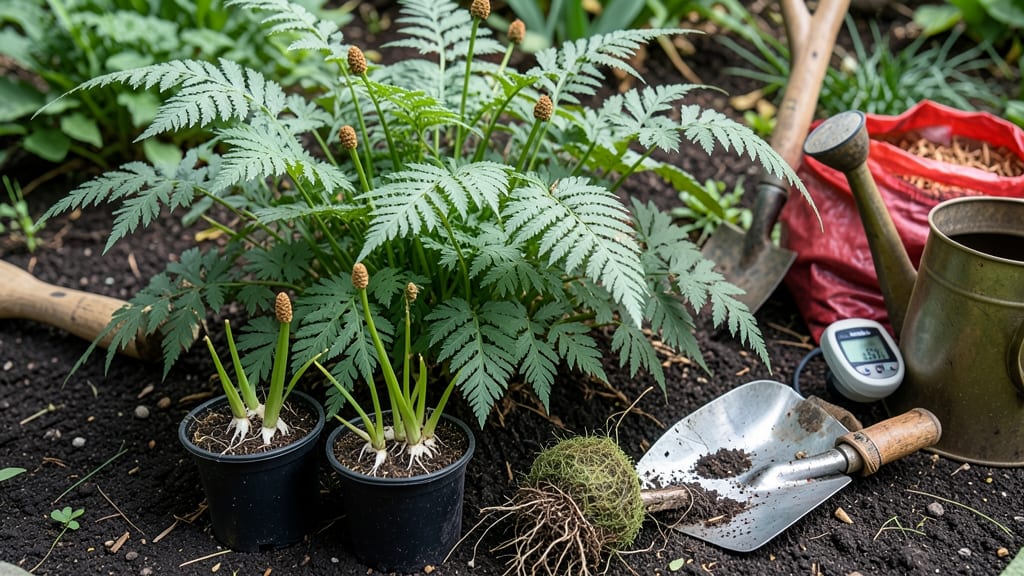
Timing your Fern planting in Michigan could mean the difference between lush, thriving 🌿 foliage and struggling, weak growth. The key window for USDA Zones 5b-6b is early spring or early fall, when soil temperatures are just right and frost risks are minimal.
Why does this matter? Ferns are delicate plants that thrive in cool, moist conditions—planting them at the wrong time can stress your 🌿 or even kill them before they take root. In Michigan’s climate, getting the timing right ensures your ferns establish strong roots before winter sets in.
Whether you’re planting from spores, rhizomes, or nursery stock, the best months to plant ferns in Michigan are March through September. But not all months are created equal—spring offers the perfect balance of warmth and moisture, while fall gives ferns a head start before dormancy.
In this guide, I’ll break down the exact planting timeline, soil prep tips, and care strategies tailored for Michigan’s unique conditions. Let’s get your garden ready for stunning, shade-loving ferns that will flourish all season long.
Optimal planting months for ferns in Michigan’s Zone 5b/6a climate
Michigan’s Zone 5b/6a climate offers two prime windows for planting ferns: early spring (March–April) and early fall (September). These periods balance soil warmth, moisture, and frost risk—critical for ferns that thrive in consistently moist, shaded conditions.
Planting outside these windows risks frost damage (spring) or insufficient root establishment before winter (fall).
For spring planting, aim for after the last frost date (typically mid-April in Southern Michigan, late April in the Upper Peninsula). Soil temperatures should reach at least 50°F (10°C)—use a soil thermometer to confirm.
Northern Michigan gardeners should wait until May 1 to avoid late frosts that can blacken tender fronds.
Fall planting is ideal for hardy fern varieties like Ostrich Fern (Matteuccia struthiopteris) or Wood Fern (Dryopteris marginalis). Plant 6–8 weeks before the first frost (early September in most areas) to allow roots to establish.
Avoid planting after October 1, as ferns won’t have time to adapt before winter dormancy.
| Season | Best Months | Soil Temp | Frost Risk | Notes |
|---|---|---|---|---|
| Spring | March–April | 50°F+ (10°C+) | Low (after last frost) | Best for Southern MI; wait until May in Northern MI. |
| Fall | September | 55°F+ (13°C+) | Moderate (plant early) | Ideal for hardy varieties; avoid October. |
| Avoid | May–August | N/A | High (summer drought) | Ferns struggle with heat stress and dry soil. |
Michigan’s microclimates demand adjustments. Southern Michigan (e.g., Detroit, Ann Arbor) can plant 2 weeks earlier than Northern Michigan (e.g., Traverse City, Marquette). Use local frost maps (like the Midwestern Regional Climate Center) to fine-tune timing.
For example, Ostrich Ferns tolerate cooler soils, while Maidenhair Ferns (Adiantum) need warmer conditions.
Container-grown ferns (from nurseries) can be planted 1–2 weeks later than bare-root rhizomes, as their roots are already established. Bare-root ferns, however, should be planted at the earliest possible window to minimize transplant shock. Soak rhizomes in water for 24 hours before planting to revive dormant roots.
Pro tip: Mark your calendar for Michigan’s average frost dates—Southern Michigan’s last frost is typically April 15, while Northern Michigan’s can linger until May 10. Planting 1–2 weeks after these dates ensures your ferns avoid frost damage while benefiting from warmer soil.
If you miss the spring window, don’t despair—fall planting is just as effective for hardy ferns. The key is preparing the soil early (see next section) and choosing shade-tolerant varieties like Christmas Fern (Polystichum acrostichoides), which thrives in Michigan’s woodland conditions.
Remember: Ferns are not drought-tolerant. Planting too late in summer risks heat stress, while planting too early exposes them to frost heave (soil freezing and thawing that displaces roots). Strike the balance, and your ferns will reward you with lush, year-round greenery.
Optimal planting months for ferns in Michigan’s Zone 5b/6a climate
Michigan’s USDA Zones 5b/6a offer a narrow window for planting ferns—too early risks frost damage, while late planting delays root establishment. The ideal planting window spans from late April to early June, aligning with soil warming and last-frost dates.
For hardy varieties like Matteuccia struthiopteris (ostrich fern), you can even start as early as mid-March in Southern Michigan, where frost dates arrive later.
Fall planting is less ideal for ferns but possible in September if you’re in Northern Michigan’s cooler microclimates. The key is ensuring 6-8 weeks of growth before the first frost (typically mid-October).
For nursery-bought ferns, established rhizomes adapt faster than spores, giving you a slight buffer for late spring planting.
🌿 Michigan Fern Planting Timeline
| Month | Soil Temp (°F) | Best For | Notes |
|---|---|---|---|
| March (South MI) | 40-45°F | Hardy rhizomes | Cover with frost cloth if nights dip below 30°F |
| April-May | 50-60°F | Primary window | Avoid planting after May 15 in Zone 5b |
| June (Late) | 60-65°F | Emergency planting | Requires extra mulch and water |
| September | 55-60°F | Northern MI only | Must establish roots before frost |
Northern Michigan’s cooler microclimates (e.g., Traverse City) shift the ideal window 2-3 weeks later than Southern Michigan (e.g., Detroit). Use your local Almanac’s frost dates as a guide: aim to plant 2-3 weeks after the last average frost date.
For woodland ferns like Dryopteris marginalis, prioritize moist, shaded sites—they thrive in Michigan’s humid summers but wilt in dry spells.
Pro tip: Test soil temperature with a soil thermometer—ferns prefer 50°F+ soil. If your garden’s soil warms slower (common in clay-heavy areas like Saginaw), opt for container planting to control temperature.
Black plastic mulch can warm soil 5-10°F faster in spring, extending your planting window by 1-2 weeks.
For spore-sown ferns, timing shifts to late summer (August)—this mimics their natural woodland regeneration cycle. Sprinkle spores on moist, shaded soil and keep them consistently damp until fall germination. This method is low-cost but slow—expect fronds in 2-3 years.
Remember: Shade is non-negotiable for Michigan ferns. Without it, fronds scorch in summer or struggle to unfurl in hot, dry spells. Plant under existing trees or near north-facing walls for natural shade.