
Plants
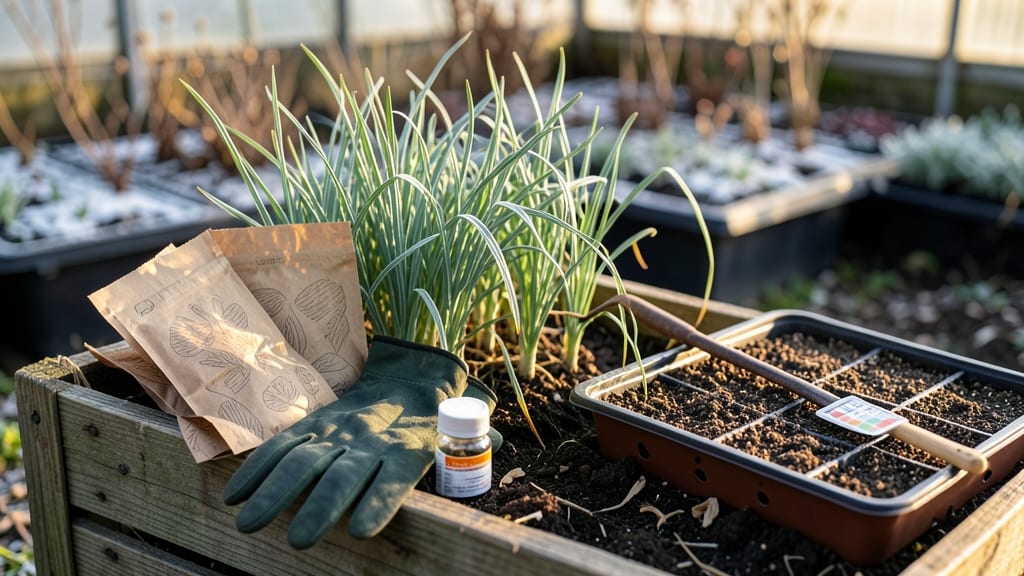
Planting winter rye 🌾 at the wrong time in Texas can mean wasted seeds, poor growth, or even failed cover crop benefits—so timing is everything for Texas gardeners.
Whether you're in North Texas with its earlier frosts or South Texas with milder winters, getting the schedule right ensures strong establishment and winter protection for your soil.
This hardy grass thrives in USDA zones 8a-10b, but its success depends on precise fall planting windows. In North Texas, you've got just September through November to plant before frost hits, while Central and South Texas gardeners have slightly more flexibility until December.
The key is planting 4-6 weeks before your first expected frost—a window that shifts dramatically depending on where you live.
Why does timing matter so much? Winter rye needs soil temperatures above 40°F to germinate properly, and planting too late risks cold-soaked seeds or weak stands. I'll walk you through the exact month-by-month schedule for your region, plus Texas-specific tips to avoid common mistakes that ruin cover crops every year.
Let's dive into the perfect planting calendar for your Texas farm or garden—because getting this right means healthier soil, fewer weeds, and easier spring planting next year. You'll discover exactly when to plant, how to adjust for your local climate, and what to watch for to guarantee success.
Optimal winter rye planting months in Texas by region (north vs. Central vs. south)
Texas spans three distinct climatic zones, each with unique frost patterns and soil conditions that dictate the best months to plant winter rye. Whether you're in North Texas, Central Texas, or South Texas, timing your planting around soil temperatures and frost dates is critical for success.
Winter rye thrives when planted in fall months when soil temperatures consistently stay above 40°F. This ensures strong germination before winter dormancy sets in. Missing this window can lead to weak stands or complete failure, especially in colder regions like North Texas.
Here’s how to align your planting schedule with Texas’ three regions for maximum cover crop effectiveness:
| Region | Primary Planting Window | Secondary Window (if missed) | Key Considerations | Soil Temp Target (°F) |
|---|---|---|---|---|
| North Texas (Dallas/Fort Worth) | Mid-September to early October | Late October (if no frost yet) | Avoid planting after first hard frost; shorter growing season | 45-50 |
| Central Texas (Austin/San Antonio) | Late September to mid-October | Early November (if warm spell continues) | Longer window due to milder winters; watch for early frosts | 40-45 |
| South Texas (Houston/Corpus Christi) | Early October to November | December (if soil remains workable) | Higher humidity risks; prioritize drainage | 45-50 |
In North Texas, where winters are colder, aim to finish planting by early October to allow 6-8 weeks of growth before the first frost. Central Texas gardeners have a slightly extended window, but early November is the cutoff for most areas.
Meanwhile, South Texas offers the longest window, but planting in December risks poor germination if soil temperatures drop below 40°F.
For all regions, soil temperature is your best guide. Use a soil thermometer to confirm readings at a 2-inch depth. If temperatures dip below 40°F for more than a few days, delay planting until conditions stabilize.
Pro tip: Check the Texas A&M AgriLife Extension frost maps for your specific county. These maps provide localized frost dates that help fine-tune your planting schedule for winter rye success.
Once planted, winter rye will establish roots and provide weed suppression and soil protection throughout the winter months, setting the stage for healthier spring crops.
5 Critical factors that determine your exact winter rye planting date in Texas
Timing winter rye correctly in Texas isn't just about picking a month—it's about understanding five key variables that shift your planting window by weeks. Each factor interacts with Texas' unique climate, from early North Texas frosts to South Texas humidity.
Let's break down how to calculate your personalized planting date using local data and simple tools.
First, check your first frost dates using Texas A&M AgriLife Extension's frost maps. This is your hard deadline: plant winter rye 4-6 weeks before the average first frost in your area.
For example, Dallas gardeners should aim for mid-September to early October, while Houston gardeners have until early November. Missing this window means seeds may rot before germination.
- First Frost Forecast
- Soil Temperature >40°F
Next, consider your seed variety's maturity rating. Fast-maturing varieties like 'Aroostook' need only 90-100 days to establish, while slower types like 'Wrens Abruzzi' require 120+ days. For example, if you're in Central Texas with a 120-day variety, planting in late October ensures it matures before summer heat.
Use this maturity calculator to adjust your date:
Don't overlook weed competition timing. Winter rye should establish 2-3 weeks before weeds like pigweed (common in South Texas) or nutsedge (North Texas) peak. For example, if pigweed typically explodes in early December in your area, plant by mid-November to outcompete it.
Monitor local weed cycles by checking with your county extension office—they track regional patterns.
Finally, align your planting with spring planting intentions. If you're terminating winter rye for spring crops, plant by January 15 in North Texas or February 1 in South Texas to allow 6-8 weeks of decomposition.
This timing ensures the rye's biomass breaks down enough to feed soil microbes without smothering your spring plants. Use this decomposition timeline as a guide:
By combining these five factors—frost dates, soil temperature, seed maturity, weed cycles, and spring plans—you'll pinpoint the optimal 2-3 week window for your Texas location. Pro tip: Keep a gardening journal to track which dates work best in your microclimate over years.