
Vegetables
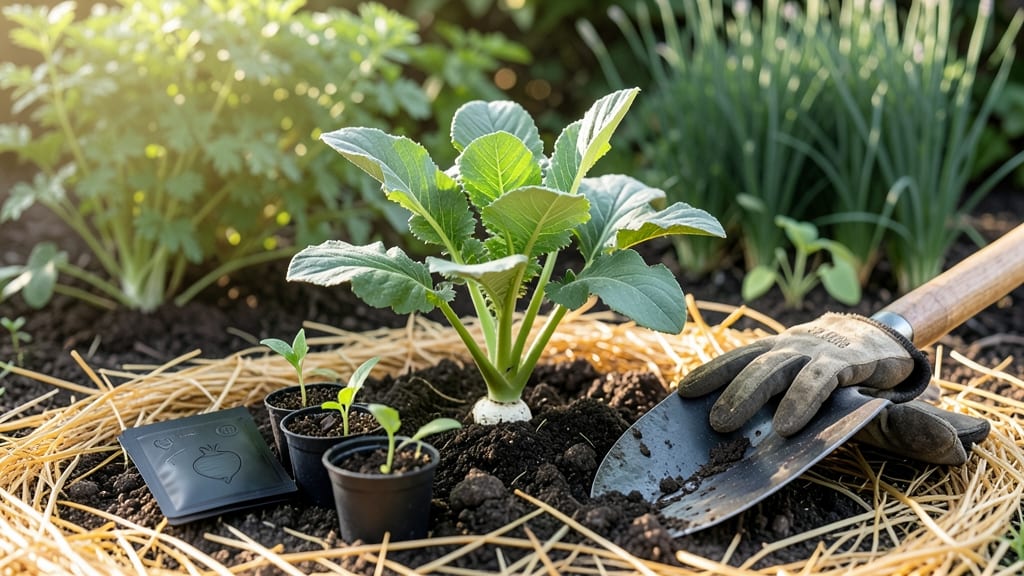
Planting turnips in the fall is your golden ticket to sweet, crisp roots that beat spring harvests—if you get the timing right.
Unlike spring plantings, fall turnips grow faster and develop their best flavor when chilled by early frost, but rush it, and you’ll end up with bitter greens or bolted plants.
For USDA Zone 6a (where first frost hits around mid-October), the ideal window is 4-6 weeks before frost, meaning late August to early September. This gives turnips 60-80 days to mature before cold sets in—just enough time for roots to reach their peak sweetness without turning woody.
Here’s the game-changer: soil temperature matters just as much as dates. Turnip seeds need soil at 40-85°F to germinate quickly. Test your soil—if it’s still warm in late September, delay planting until temperatures drop to avoid bolting.
I’ll walk you through exact regional schedules, how to adjust for your local frost date, and pro tips to maximize your harvest—no more guessing, just delicious 🥕 results. Let’s get those seeds in the ground at the perfect moment.
Optimal fall planting windows for turnips by region and last frost date
Turnips thrive when planted in the fall, but timing depends on your USDA hardiness zone and first frost date. Unlike spring plantings, fall turnips grow faster and develop sweeter roots when exposed to cooler temperatures before frost.
Aim to sow seeds 4-6 weeks before your expected first frost for a successful harvest.
In USDA Zones 3-5, where winters are colder, start planting turnips in mid-August to early September. For Zones 6-8, you have more flexibility—sow from late August through mid-October, depending on your local climate. The key is ensuring turnips mature before temperatures drop below 20°F (-7°C).
Here’s how to calculate your ideal planting window: Subtract 60 days (the average time for turnips to mature) from your first frost date. For example, if frost hits October 15, plant by August 15 for a full harvest.
For baby turnips (harvested in 30-45 days), you can extend planting into early October.
Regional variations matter! In the Pacific Northwest, where frost comes later, you might plant as late as mid-October. In the Southeast, where frost arrives earlier, start by mid-August to avoid bolting. Always check your local frost dates for precision.
Here’s a quick reference for fall turnip planting based on common USDA zones:
| USDA Zone | First Frost Date | Ideal Planting Window | Notes |
|---|---|---|---|
| Zones 3-5 | Mid-October | Mid-August to early September | Cold-hardy varieties like 'Purple Top White Globe' perform best. |
| Zones 6-7 | Late October to early November | Late August to mid-October | Extend season with row covers for late plantings. |
| Zones 8-10 | December | September to early November | Use fast-maturing varieties like 'Tokyo Cross' for quick harvests. |
For container gardening, plant turnips in deep pots (12+ inches) and use lightweight soil to prevent root binding. In raised beds, ensure soil temperatures stay above 40°F (4°C) for optimal germination.
If your soil is still warm in late summer, wait until temperatures drop to 70°F (21°C) or lower to prevent bolting.
Pro tip: Succession plant every 2 weeks in late summer for a continuous harvest. This works especially well for baby turnips, which can be harvested in as little as 30 days. Just be sure to space your plantings so the last batch matures before frost.
Fall turnips also benefit from companion planting. Pair them with lettuce, radishes, or carrots to maximize space and deter pests. Avoid planting near potatoes or beans, as they compete for nutrients. With the right timing and companions, your fall turnip harvest will be both abundant and delicious!
🌱
Optimal fall planting windows for turnips by region and last frost date
Timing your fall turnip planting is all about balancing maturity rates and frost dates. Most varieties take 45-60 days to reach harvest size, so you’ll want to sow seeds 4-6 weeks before your first expected frost.
For example, in USDA Zone 6a, where first frost typically hits mid-October, aim for late August to early September plantings.
Regional differences matter—gardeners in warmer southern zones (7-10) can extend planting into October, while those in colder northern zones (3-5) should start by late July.
Always check your local frost calendar and adjust accordingly. Remember, baby turnips (harvested at 1-2 inches) mature faster, giving you a slightly longer planting window.
Here’s how to align your planting with your region’s last frost date and turnip variety:
| Region (USDA Zone) | First Frost Date | Ideal Planting Window | Variety Recommendation |
|---|---|---|---|
| 3-5 (Cold Climates) | Mid-September to Early October | Late July to Mid-August | 'Purple Top White Globe' (fast-maturing) |
| 6a-6b (Mid-Atlantic/Northeast) | Mid-October | Late August to Early September | 'Tokyo Cross' (baby turnip, 30 days) |
| 7-9 (Southeast/Southwest) | Late November to Early December | September to Early October | 'Golden Globe' (heat-tolerant) |
| 10+ (Coastal/Desert) | December | October to Early November | 'Shogoin' (Asian turnip, cold-hardy) |
For container gardening, follow the same timing rules but use smaller varieties like 'Hakurei' turnips, which mature in just 30 days.
If you’re unsure about your frost date, err on the side of earlier planting—turnips tolerate light frosts once established, but they won’t survive being frozen in the ground.
Pro tip: Sow seeds in succession every 2 weeks during your planting window. This ensures a continuous harvest and reduces the risk of bolting (when turnips flower prematurely due to heat stress).
For example, if your window is August 15 to September 15, plant on the 15th, 29th, and October 1st for staggered maturity.
Always test your soil temperature before planting—turnip seeds need soil that’s at least 45°F (7°C) for proper germination. Use a soil thermometer or check local weather reports for ground temps. If your soil is too cold, wait a few days or use black plastic mulch to warm it up faster.