
Plants
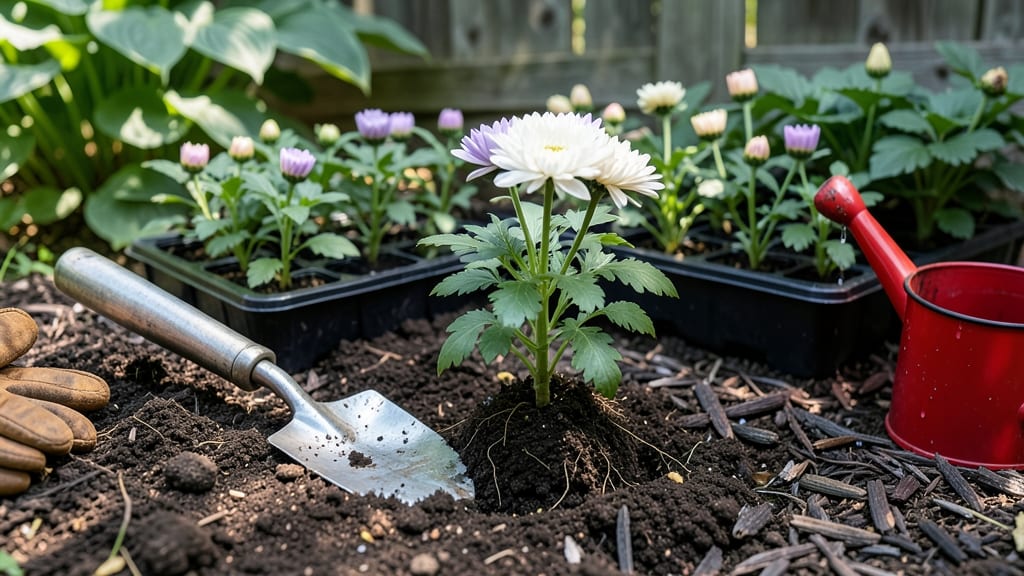
Timing your chrysanthemum planting in the fall is the secret to a garden bursting with color before winter sets in. If you plant too early, your 🌼 may not bloom in time, but too late, and frost could ruin your efforts.
The key lies in understanding your region's frost dates and adjusting your schedule accordingly.
For most gardeners in Zone 6a, the ideal window is 4-6 weeks before the first frost, giving your chrysanthemums enough time to establish roots and produce vibrant blooms. This typically means starting in early September, but cooler climates may need to adjust slightly earlier.
Why does this matter? Proper timing ensures your chrysanthemums have the perfect balance of growth and dormancy before winter arrives. You'll learn how to prepare your soil, choose the right varieties, and care for your plants so they thrive all season long.
Let’s break down exactly what you need to know to plant your chrysanthemums at the perfect moment—so you can enjoy their stunning blooms from fall right through winter.
6-8 Weeks before first frost: the ideal chrysanthemum planting window
Chrysanthemums thrive when planted at just the right moment in fall. The sweet spot is 6-8 weeks before your area’s first frost date, giving roots time to establish while still allowing blooms to develop before winter sets in.
This timing ensures your mums have 8-12 weeks of growth before cold snaps arrive.
For most U.S. gardeners, this means late August to mid-September in USDA Zones 5-8. In colder regions (Zones 3-4), aim for early September to avoid early frosts, while warmer climates (Zones 9-10) can extend planting until October. The key is balancing root establishment with bloom development.
Here’s why this window works: Chrysanthemums need 60-70 days to transition from planting to full bloom.
Starting too early (like July) risks overgrown foliage with few flowers, while planting too late (after October) leaves them vulnerable to frost before they establish. Frost dates are your best guide—check your local USDA Hardiness Zone for precision.
🌼
| Stage | Action | Timeframe |
|---|---|---|
| Pre-Planting Prep | Test soil pH (6.0-7.0 ideal) | 4-6 weeks before planting |
| Soil Amendment | Add compost (2-3 inches) | 3-4 weeks before planting |
| Planting Window | Transplant mums 6-8 weeks before frost | Late Aug-Oct (varies by zone) |
| Post-Planting Care | Water deeply (1 inch/week) | First 2 weeks after planting |
| Fertilizing | Apply balanced fertilizer (5-10-10) | 3 weeks after planting |
To pinpoint your exact planting date, use the National Weather Service’s frost calculator or your local cooperative extension office. For example, in Zone 6 (like Chicago), aim for September 1-15, while Zone 8 (like Dallas) can plant until October 10.
Pro tip: Hardy chrysanthemum varieties (like ‘Hardy Bonanza’) tolerate slightly later planting—up to 2 weeks after the standard window.
Once planted, mulch heavily (3-4 inches) with straw or shredded leaves to insulate roots. This protects against temperature swings and retains moisture, which is critical in fall when rains may dwindle. Avoid organic mulches like fresh grass clippings, as they can mat down and suffocate young roots.
Watch for new leaf growth within 10-14 days—a sign roots are establishing. If leaves yellow or wilt, it may indicate overwatering or poor drainage. Adjust watering to 1 inch per week (including rain) and ensure soil drains well. Well-draining soil is non-negotiable for chrysanthemums in fall.
🌿
For container-grown chrysanthemums, the same 6-8 week rule applies, but use larger pots (12+ inches) to accommodate root growth. Containers warm up faster in fall, so monitor soil moisture closely—containers dry out 3x faster than garden beds.
Place pots in protected microclimates, like near south-facing walls, to extend the growing season.
Finally, resist the urge to prune back newly planted chrysanthemums. Pruning now removes photosynthetic leaves that fuel root growth. Wait until spring to shape plants, or lightly trim dead or diseased foliage immediately after planting to reduce stress.
6-8 Weeks before first frost: the ideal chrysanthemum planting window
Chrysanthemums thrive when planted 6-8 weeks before your region’s first frost. This timing ensures roots establish while leaves and blooms develop before winter chill sets in. For most U.S. gardeners, that means mid-September to early October—but your exact window depends on your USDA hardiness zone.
For example, gardeners in Zone 5 or colder should plant by late August to avoid early frosts, while those in Zone 8+ can extend planting until mid-November. The key is giving your chrysanthemums enough time to root and bloom before temperatures drop below 30°F (-1°C).
Why this timing works: Chrysanthemums are short-day plants, meaning they flower in response to shorter daylight hours—a natural trigger in fall. Planting too early (like in July) can delay blooms, while planting too late (after October) risks frost damage before flowers even appear.
| Zone | Planting Window | Bloom Timing | Notes |
|---|---|---|---|
| 3-5 (Cold Climates) | Late August | September-October | Use row covers for extended blooms |
| 6-7 (Temperate) | Mid-September | October-November | Ideal for garden borders |
| 8-10 (Mild Winters) | October-November | Winter blooms possible | Choose frost-resistant varieties |
To pinpoint your exact planting date, check your local frost date (available via the USDA Plant Hardiness Zone Map) and count backward 6-8 weeks. For example, if frost arrives November 15th, plant by September 20th to ensure blooms before winter.
Pro tip: Hardy chrysanthemums (like ‘Ruby Mound’) tolerate colder temps, while standard varieties need earlier planting.
Once you’ve nailed the timing, prepare your soil by amending with compost and a balanced fertilizer (like 5-10-10) to support root growth. Space plants 12-24 inches apart, depending on the variety, to allow airflow and reduce disease risk.
Mulch with 2-3 inches of straw to insulate roots and retain moisture as temperatures drop.
With the right timing, your chrysanthemums will reward you with vibrant blooms from late summer through frost, adding a splash of color to your garden’s final act of the year. Just remember: earlier planting = more blooms, but don’t sacrifice root establishment for a rush!