
Plants
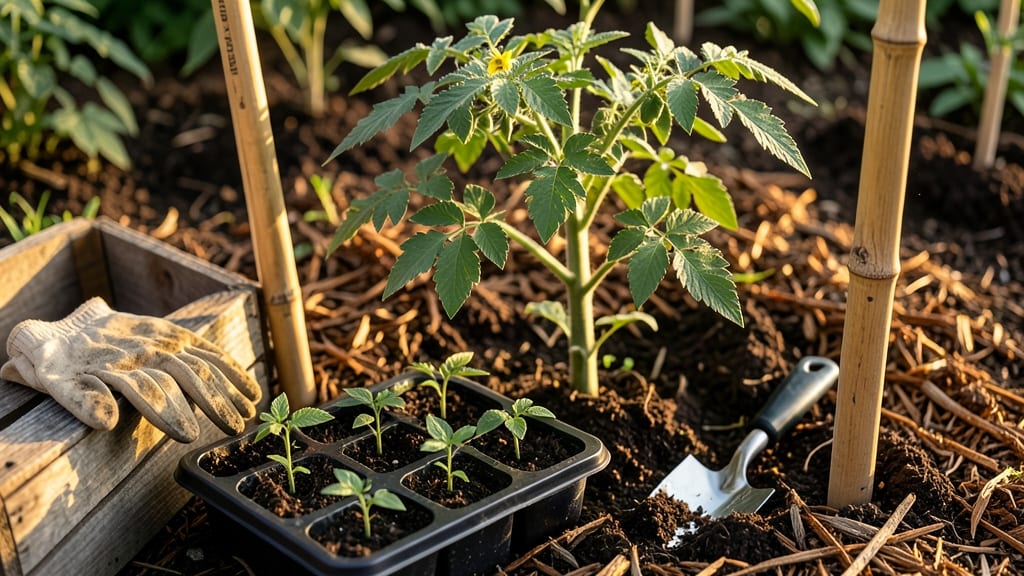
When do you plant tomatoes in Indiana? Timing your 🍅 tomato planting in the Hoosier State can mean the difference between a bumper crop and a sad, frost-nipped failure. The key window—April 15 to May 15—isn’t just arbitrary; it’s based on when Indiana’s 5b-6a climate finally sheds its icy grip and soil warms to 60°F or higher.
But here’s the catch: Northern Indiana’s chill lingers longer than the southern half, and a late frost can wipe out your hard work in minutes. That’s why knowing your exact last frost date—and adjusting for microclimates like urban heat islands—isn’t just smart, it’s essential for avoiding heartbreak.
In this guide, I’ll walk you through Indiana’s frost-free timeline, including when to start seeds indoors (yes, it’s earlier than you think!) and how to stretch your growing season with simple tricks. No more guessing—just zero-failure starts and a garden bursting with juicy tomatoes from July to September.
Ready to master Indiana’s tomato calendar? Let’s dive into the strategies that’ll have your plants thriving while your neighbors are still crossing their fingers for frost-free nights.
Indiana’s tomato planting timeline: frost dates by region (2024 guide)
Indiana’s USDA Zones 5b-6a mean your tomato planting window hinges on last frost dates that can vary by 3+ weeks across the state. Northern Indiana (e.g., Fort Wayne) typically waits until May 1-10, while southern Indiana (e.g., Louisville border) can plant as early as April 15-25.
Even within cities like Indianapolis, urban heat islands can create microclimates where you might plant 1 week earlier than rural areas just 10 miles away.
To avoid frost damage or stunted growth, always wait until the soil temperature reaches 50°F+ (use a soil thermometer) and nighttime temps stay above 55°F.
The average last frost for Indiana’s 5 key regions shifts from April 15 in the south to May 10 in the north—but 2024’s unpredictable weather means checking NOAA’s Frost/Freeze Forecast or the USDA Plant Hardiness Zone Map is non-negotiable.
Pro Tip: Bookmark the Midwest Regional Climate Center’s frost data tool (mrcc.illinois.edu) and set up weekly alerts for your county. A single 28°F night can kill young seedlings overnight—don’t gamble with guesswork.
| Region | Avg. Last Frost | Safe Planting Window | Direct Sow | Transplant | Soil Temp Threshold |
|---|---|---|---|---|---|
| Southern Indiana (Evansville, Terre Haute) | April 15 | April 25 - May 10 | May 1-10 | April 15-25 | 50°F+ |
| Central Indiana (Indianapolis, Muncie) | April 25 | May 1-15 | May 10-20 | April 25-May 5 | 50°F+ |
| Northern Indiana (Fort Wayne, Gary) | May 10 | May 15-30 | May 25-June 5 | May 1-15 | 55°F+ |
| Urban Heat Islands (e.g., Indianapolis downtown) | April 20 | April 25-May 5 | May 1-10 | April 15-25 | 50°F+ (earlier) |
If you’re starting seeds indoors, begin 6-8 weeks before your target transplant date. For Northern Indiana, that means March 15-April 1, while Southern Indiana gardeners can start as early as February 25-March 15.
Use grow lights to ensure 14-16 hours of light/day—indoor windows often don’t provide enough intensity for robust seedlings.
For direct sowing, Indiana’s longer growing season (up to 165 frost-free days) lets you experiment with succession planting. After your first batch (planted in May), sow a second round June 1-15 for a late-summer harvest.
Just be prepared to use row covers if a late frost hits in October.
One common mistake? Planting too early and ending up with leggy, weak seedlings that bolt in 50°F soil. Test your soil’s temperature daily with a soil thermometer—60°F+ is ideal for transplanting.
If temps dip below 55°F at night, protect young plants with frost blankets or move potted seedlings indoors temporarily.
5 Proven strategies to extend Indiana’s tomato growing season (no frost, no stress)
Indiana’s short growing season can feel like a race against time—but with the right tricks, you can stretch your tomato harvest from July to October. The secret? Combining season-extending tools with smart planting strategies tailored to your microclimate.
Whether you’re in chilly Northern Indiana or the slightly warmer Southern region, these methods will shield your plants from frost and keep them producing long after your neighbors pack it in.
First, let’s tackle the biggest threat: late frosts. Even after the official last frost date (April 15 in most areas), a surprise freeze can still sneak in—especially in valleys or urban pockets that cool faster.
That’s why I rely on three layers of protection: soil warming, air insulation, and strategic planting schedules. Start by testing your soil temperature—tomatoes need 60°F+ to thrive, and a simple soil thermometer (just $10) saves guesswork.
🌱 Pro Tip: Use a black plastic mulch to raise soil temps by 5-10°F—this alone can shave 2-3 weeks off your frost-free window. Lay it down 2 weeks before planting and secure the edges with soil or rocks.
For extra insurance, pair it with row covers (lightweight fabric) to trap heat during unpredictable April nights.
📋 5 Strategies to Extend Your Tomato Season
- 1. Start seeds indoors 6-8 weeks before last frost (by March 1 for Northern IN, March 15 for Southern). Use grow lights for 12+ hours/day to avoid leggy seedlings.
- 2. Plant cold-hardy varieties like ‘Stupice’ (tolerates 32°F) or ‘Mountain Merit’ (ready in 60 days) for early harvests.
- 3. Use black plastic mulch to warm soil and suppress weeds—install it 2 weeks before planting.
- 4. Deploy row covers until flowers appear (then remove to prevent heat stress). Secure edges with bricks or soil.
- 5. Succession plant every 2 weeks after the last frost for a continuous harvest. Late plantings (by June 15) can still yield in fall.
Don’t overlook microclimates—your garden might be warmer than the official frost map suggests. Urban areas, south-facing slopes, and even black asphalt surfaces create heat pockets that delay frost.
Test your spot by placing a frost-sensitive plant (like basil) outside in April. If it survives a week, you’ve got a 2-3 week extension on your frost-free date!
For late-season protection, I swear by cold frames—they can add 4-6 weeks to your harvest by trapping solar heat. Build one from a clear plastic bin with a hinged lid or buy a pre-made kit.
Place it over plants after the first 45°F nights in October. Just remember: ventilate during the day to prevent overheating.
Finally, succession planting is your secret weapon. Instead of betting everything on one planting, stagger seeds every 2 weeks from April 15 to June 15.
This ensures you’re always harvesting while earlier plantings mature. In my garden, this method gives me tomatoes from July to October—even in Zone 5b!