
Plants
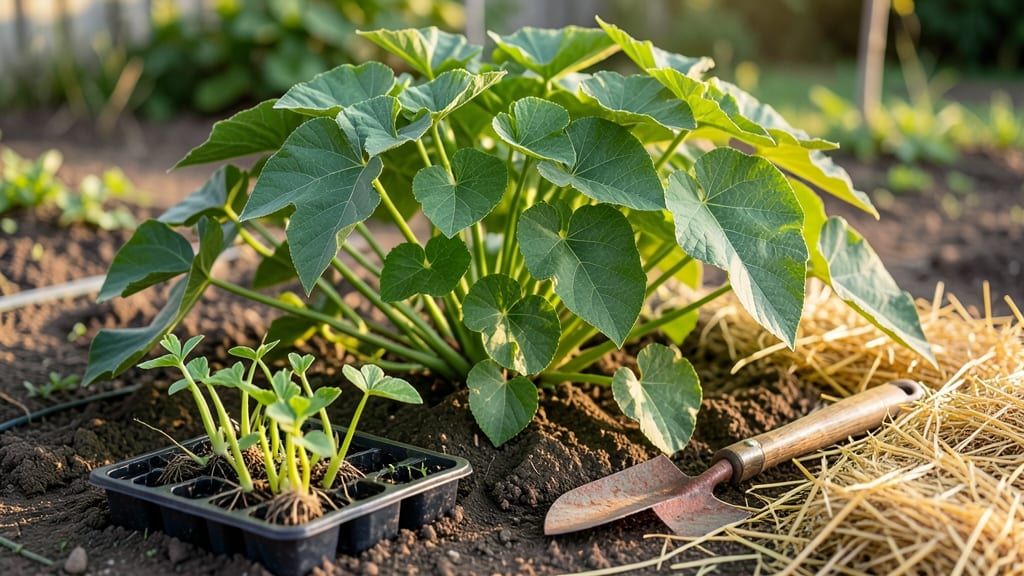
Planting sweet potatoes in Louisiana at the wrong time can turn your dream harvest into a disappointing pile of small tubers—or worse, nothing at all. The key to success lies in understanding your heat zone and when the soil finally warms up enough to support those hungry slips.
With Louisiana’s USDA 8a-9b climate, you’ve got two prime windows: late spring (March-May) and late summer (August-September). But timing isn’t just about months—it’s about soil temperature. Those sweet potato slips need 65°F+ soil to take root, and waiting too long means stunted growth or even crop failure.
I’ve grown sweet potatoes in Louisiana for years, and I’ll show you exactly how to align your planting with the heat zone calendar.
Whether you’re using slips or seeds, we’ll cover soil prep, pest watch, and how to stretch your growing season for bigger yields—no matter where you are in the state.
Ready to turn your garden into a sweet potato powerhouse? Let’s dive into the secrets that’ll have you harvesting plump, flavorful 🍠 tubers all season long.
Louisiana sweet potato planting calendar by heat Zone (USDA 7b-9a)
Sweet potatoes thrive in Louisiana’s hot, humid climate, but timing your planting to match your USDA heat zone makes all the difference. Whether you’re in New Orleans (Zone 8b), Baton Rouge (Zone 8a), or Shreveport (Zone 8a), knowing the right window ensures bigger, sweeter tubers.
The key? Planting when soil temperatures hit 65°F or warmer—and avoiding late frosts that can wipe out young plants.
Most Louisiana gardeners plant two crops per year: a spring crop (March–May) and a late-summer crop (August–September). The spring crop gives you harvests by October–December, while the late-summer crop matures just in time for holiday feasts.
But don’t rush—soil temperature is your best guide, not just the calendar.
| Heat Zone | Best Planting Window | Soil Temp Requirement | Notes |
|---|---|---|---|
| USDA 7b (N. LA) | April 15–May 15 | 65°F+ | Wait for last frost (avg. March 15). Use row covers if early planting. |
| USDA 8a (Baton Rouge) | March 15–April 30 | 65°F+ | Ideal for Beauregard variety. Plant slips (not seeds) for faster growth. |
| USDA 8b (New Orleans) | March 1–April 15 | 68°F+ | Humidity helps, but mulch to prevent fungal diseases. |
| USDA 9a (S. LA) | February 15–March 30 | 70°F+ | Early planting possible. Watch for sweet potato weevils. |
| Late Summer Crop (All Zones) | August 1–September 15 | 75°F+ | Harvest by December for holiday storage. |
For slips (sprouted roots), which are the preferred method in Louisiana, plant them 1–2 inches deep and 12–18 inches apart in rows 3 feet apart. If you’re starting from seeds, sow them ½ inch deep in warm soil and expect 10–14 days for germination.
Pro tip: Use black plastic mulch to warm the soil faster and suppress weeds.
Louisiana’s humidity can be a double-edged sword—it speeds up growth but also increases disease risk. Always plant in well-draining soil mixed with compost to improve aeration. Avoid heavy clay soils unless amended, as they can cause root rot in the humid climate.
If you’re in Zone 9a (like Houma), you can even try an early February planting for a spring harvest. But monitor soil moisture—Louisiana’s summer rains can lead to waterlogged soil, which stunts tuber development. Drip irrigation is your best friend here.
For late-summer plantings, aim for August 1–15 to give tubers enough time to mature before December’s first frost risk. In Zone 7b (northern LA), push planting to late August to avoid early cold snaps. Use row covers if nights dip below 50°F.
One common mistake? Planting
5 Critical factors that determine your planting success in Louisiana
Louisiana’s humid climate and unpredictable weather patterns can make sweet potato planting tricky. Beyond just the planting dates, five key factors will make or break your harvest. Let’s break down what truly matters for sweet potato success in our state.
First, soil temperature is non-negotiable. Sweet potatoes refuse to sprout in cold soil—aim for at least 65°F (18°C) before planting slips. Use a soil thermometer to check; if it’s cooler, wait. Rushing leads to poor root development and stunted vines.
Next, humidity and rainfall play a double-edged sword. While Louisiana’s humidity helps vines thrive, too much rain can drown roots or invite fungal diseases. Well-draining soil is your best defense—amend clay-heavy areas with compost or sand to prevent waterlogging.
Pests like sweet potato weevils and aphids can devastate your crop if unchecked. Start with certified disease-free slips and rotate planting locations yearly. Set out pheromone traps in early summer to catch weevils before they lay eggs in your soil.
Don’t overlook mulching—this is your secret weapon against Louisiana’s heat and drought spells. Apply 3-4 inches of straw or pine needles after planting to lock in moisture and regulate soil temperature. Replenish mulch every 4-6 weeks to maintain effectiveness.
Finally, harvest timing is critical. Louisiana’s sudden cold snaps (especially in USDA Zone 8a) can ruin unharvested tubers. Watch for yellowing vines and firm, 4-8 inch sweet potatoes—dig them up before the first frost (typically mid-December). Cure them in a warm, humid space for 10 days to develop sweetness.