
Flowers
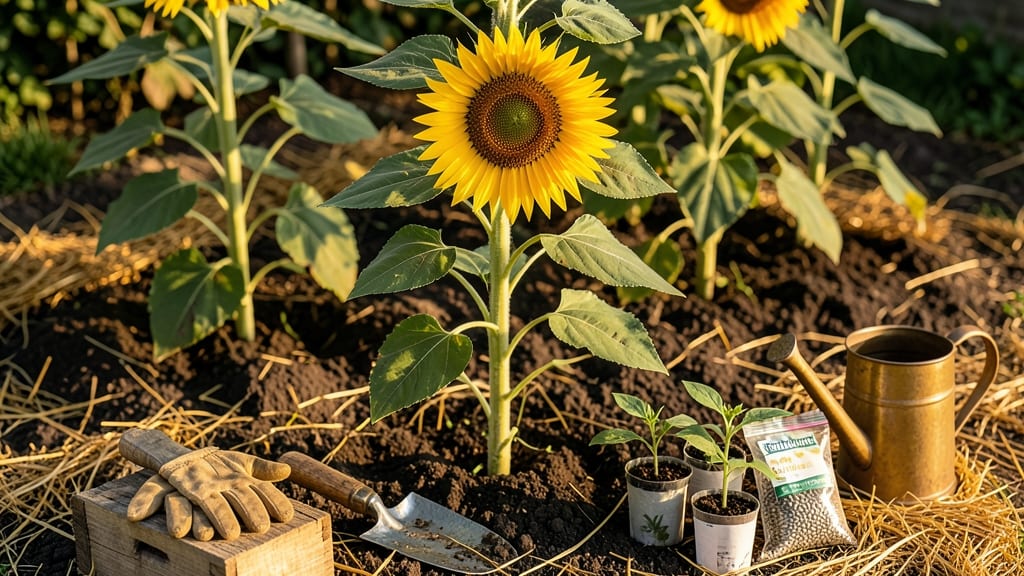
If you're dreaming of towering sunflowers 🌻 that turn heads in your Louisiana garden, timing your planting is the key to success. The right moment isn't just about months—it's about understanding how your local heat zones (like 8a-9b) shape when those seeds should hit the soil.
Louisiana's warm climate means sunflowers can thrive year-round, but planting them too early risks frost damage, while waiting too long might mean they bolt before showing off their bold blooms.
The ideal window—March through April—aligns perfectly with the last frost date, giving your sunflowers the head start they need.
Beyond the calendar, Louisiana's humidity and heat demand special attention. We'll cover how to prepare your soil, adjust for regional quirks, and even extend your growing season for continuous blooms.
Whether you're a first-time gardener or a seasoned pro, these insights will help you grow sunflowers that reach their full potential.
Let's dive into the best practices for planting sunflowers in Louisiana, so you can enjoy those vibrant blooms from June all the way through October. You'll learn how to avoid common mistakes and make the most of your local growing conditions.
Louisiana heat zones explained: best sunflower planting months by region
Louisiana’s warm climate makes it perfect for growing sunflowers, but the state’s USDA zones 8a-9b create microclimates with slightly different planting windows. Understanding these zones helps you avoid frost damage in early spring or hurricane risks in late summer.
Most gardeners in Louisiana plant sunflowers between mid-March and mid-April, but timing shifts slightly depending on your region.
For example, gardeners in northern Louisiana (zone 8a) should wait until after the average last frost date (March 15) to plant, while those in southern Louisiana (zone 9b) can start as early as February for an earlier harvest.
The key is planting when soil temperatures reach 55°F (13°C)—sunflowers won’t sprout in cooler soil.
Here’s how to match your location to the best planting window for bold, healthy sunflowers:
| USDA Zone | Region | Best Planting Window | Notes |
|---|---|---|---|
| 8a | North LA (Shreveport, Monroe) | Mid-March to early April | Wait for soil to warm above 55°F; frost risk until late March. |
| 8b | Central LA (Alexandria, Baton Rouge) | Late February to mid-April | Flexible window; can plant early for summer blooms or late for fall harvests. |
| 9a | South LA (Lafayette, Lake Charles) | February to early May | Longer growing season; can plant in late summer for fall blooms. |
| 9b | Southeast LA (New Orleans, Houma) | January to June | Tropical climate allows year-round planting; avoid hurricane season (June-October). |
If you’re in zone 9b (New Orleans or Houma), you can even try late summer planting (August-September) for fall blooms, but be mindful of hurricane season. These sunflowers may not reach their full height, but they’ll still produce vibrant flowers and seeds.
For taller varieties (10+ feet), stick to spring planting to give them enough time to mature before cooler weather arrives.
Pro tip: Use black plastic mulch to warm the soil faster in early spring, especially in northern Louisiana. This trick helps you plant 2-3 weeks earlier without risking frost damage. Just remove the mulch once seedlings emerge to prevent overheating.
For continuous blooms, try succession planting every 2-3 weeks from March to May. This ensures you’ll have sunflowers in bloom from June through October, giving you a stunning vertical display in your garden.
Just remember: shorter varieties (like ‘Teddy Bear’) are better for late-season plantings, as they mature faster.
One common mistake is assuming all sunflowers thrive in Louisiana’s heat. While they love the sun, dwarf varieties (like ‘Moulin Rouge’) are better suited for late summer plantings because they mature quickly before cooler temperatures arrive. Standard varieties need 90-120 days to reach harvest, so timing is critical.
🌻
How to time sunflower planting for maximum growth in Louisiana’s humidity
Louisiana’s humid climate and heavy heat create the perfect storm for sunflower success—but only if you plant at the right time. Sunflowers love warmth, but fungal diseases like powdery mildew thrive in stagnant moisture. Timing your planting with soil warmth and rainfall patterns keeps your sunflowers thriving instead of wilting.
Start seeds indoors 6-8 weeks before your last frost date (typically mid-March) to give them a head start. Transplant seedlings outdoors only after soil temperatures reach 60°F+, usually by early April. This ensures roots establish quickly before summer’s humidity peaks.
For direct sowing, wait until April 15-May 1 when nighttime temps stay above 55°F. This timing avoids early spring fungal risks while letting seeds germinate in warmer soil. A soil thermometer is your best friend—aim for 65°F+ for fastest sprouting.
Soil Warmth Check
Wait until soil reaches 65°F+ for direct sowing
Plant in raised beds if native soil drains poorly
Space plants 12-24 inches apart for airflow
Extend your growing season with succession planting! Louisiana’s long, hot summers allow for two planting windows: early spring (March-April) and late summer (August-September). Late summer plantings benefit from cooler nights and less humidity, reducing fungal risks.
Choose dwarf varieties like 'Teddy Bear' for container growing if space is limited.
Water deeply in the morning only to prevent fungal spores from thriving overnight. Mulch with straw or pine needles to retain moisture while improving airflow at the soil level. Avoid overhead watering—use drip irrigation or soaker hoses instead to keep leaves dry.
Monitor for aphids and spider mites, common pests in Louisiana’s heat. A strong blast of water in the morning often dislodges them before they cause damage. For severe infestations, use neem oil—it’s safe for sunflowers and effective against soft-bodied insects.