
Flowers
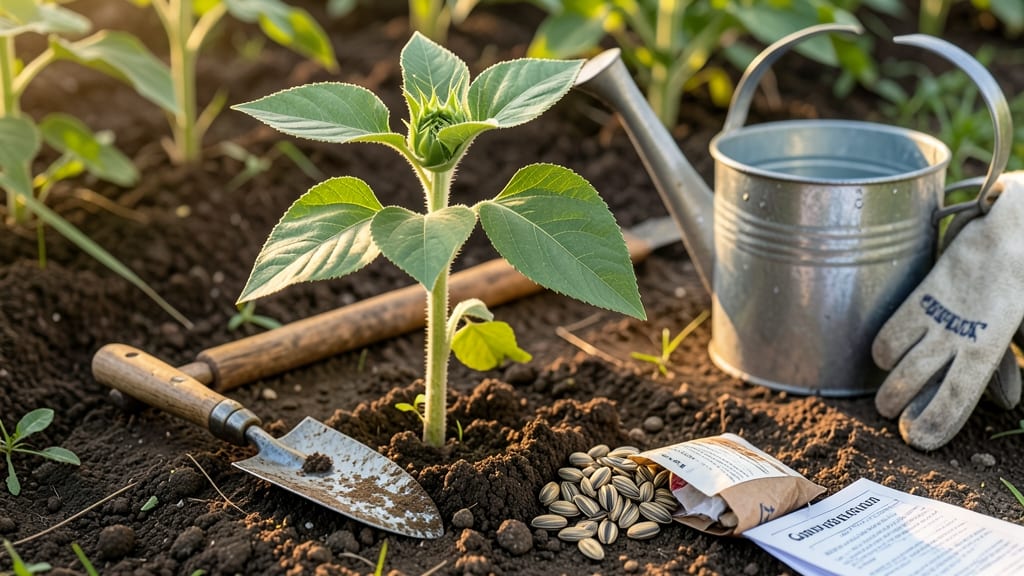
Planting sunflowers in Alabama at the wrong time can mean the difference between towering, golden blooms and sad, stunted stems. With USDA zones 7a-8b offering two prime windows—spring and fall—timing is everything for your 🌻 to thrive.
Most gardeners in Alabama start sunflower seeds between March 15 and May 1 for spring planting, but did you know fall also offers a second chance?
The key is avoiding frost—whether it's the last chill of winter or the early bite of autumn—and knowing when your local soil warms enough for germination.
In this guide, I’ll break down the exact frost-free dates by region, from North Alabama’s cooler hills to the warmer coastal plains, so you can plant with confidence. You’ll also discover how to adjust for microclimates, avoid common mistakes, and even extend your harvest season.
Ready to grow sunflowers that reach their full potential? Let’s get started with the planting schedule that works for your corner of Alabama.
Alabama sunflower planting calendar: best months by region
Alabama’s diverse climate means sunflower planting times vary dramatically from North Alabama’s cooler highlands to South Alabama’s subtropical coast. The key to success is aligning your planting with your USDA zone (7a-8b) and local frost dates.
In North Alabama (zones 7a-7b), frost lingers until mid-April, while South Alabama (zones 8a-8b) enjoys frost-free conditions by mid-March.
For spring planting, aim to sow seeds 2-4 weeks after your last frost date. This gives seedlings time to establish before summer heat arrives. In North Alabama, that’s typically April 15-May 1, while South Alabama gardeners can start as early as March 15-April 15.
Fall planting is also possible in August-September for late-season blooms.
Sunflowers thrive in warm soil (50°F+), so use a soil thermometer to confirm readiness. In Central Alabama, where frost dates fall in between, target April 1-April 30 for optimal growth. Remember: Late spring planting (after May 15) risks bolting—when plants flower too quickly due to heat stress.
🌱 Alabama Sunflower Planting Guide by Region
| Region | USDA Zone | Last Frost Date | Ideal Planting Window | Harvest Window |
|---|---|---|---|---|
| North Alabama | 7a-7b | Mid-April | April 15-May 15 | July-August |
| Central Alabama | 7b-8a | Early-April | April 1-April 30 | June-July |
| South Alabama | 8a-8b | Mid-March | March 15-April 15 | May-June |
| Fall Planting (All Regions) | 7a-8b | N/A | August 1-September 1 | October-November |
💡 Pro Tip: Use black plastic mulch in cooler zones to warm soil faster and extend planting season by 2-3 weeks.
For extended harvests, try succession planting every 2 weeks from April through June. This ensures continuous blooms from June through October. In South Alabama, you can even plant a late summer crop in August for fall harvests before the first frost in mid-November.
Choose heat-tolerant varieties like 'Autumn Beauty' or 'Moulin Rouge' for Alabama’s summer heat. These varieties handle 90°F+ temperatures better than standard types. If you’re in North Alabama’s cooler microclimates, opt for 'Russian Giant'—it matures faster in shorter seasons.
Always plant seeds 1 inch deep and 6 inches apart in rows 2-3 feet apart to prevent overcrowding. Thin seedlings to 12-18 inches apart once they’re 4-6 inches tall. This spacing gives sunflowers room to develop their full 3-14 foot stature without competing for nutrients.
Monitor soil moisture during germination—keep it consistently damp (not soggy) until seedlings emerge. Once established, sunflowers are drought-tolerant, but deep watering once weekly during flowering ensures plump seeds. Avoid overhead watering to prevent powdery mildew, a common Alabama issue.
🌻 Key Reminder: Sunflowers grow fastest in full sun (6+ hours daily). In shady Alabama yards,
Alabama sunflower planting calendar: best months by region
Alabama’s diverse climate zones mean your sunflower planting window can vary by 1-2 months depending on whether you're in North Alabama (USDA Zone 7a) or South Alabama (Zone 8b).
For most gardeners, the ideal planting window falls between mid-March and early May for spring blooms, with a fall planting window of August 1–September 1 for late-season harvests.
The last frost date in Alabama typically ranges from March 15 in North Alabama to February 28 in South Alabama, while the first frost arrives between November 15–November 30.
These dates create a 210-day frost-free growing season, perfect for sunflowers that need 70–120 days to mature from seed to harvest.
Here’s how to align your planting with Alabama’s regional frost-free windows for maximum sunflower success:
| Region | USDA Zone | Last Frost | Early Planting | Ideal Planting | Late Planting | Fall Planting |
|---|---|---|---|---|---|---|
| North Alabama | 7a | March 15 | March 15–April 1 | April 15–May 1 | May 1–May 15 | August 15–September 1 |
| Central Alabama | 7b-8a | February 28–March 10 | February 28–March 15 | March 15–April 15 | April 15–May 1 | August 1–August 15 |
| South Alabama | 8b | February 15–28 | February 15–March 1 | March 1–March 15 | March 15–April 1 | July 31–August 15 |
For spring planting, aim to sow seeds 2–3 weeks after your last frost date when soil temperatures reach at least 50°F. In North Alabama, this often means waiting until mid-April, while South Alabama gardeners can start as early as late February.
Use black plastic mulch to warm the soil faster if you’re eager to plant earlier.
If you’re growing sunflowers for late-season harvests, focus on fall planting between August 1–September 1. This gives sunflowers enough time to mature before the first frost in November. Choose fast-maturing varieties like 'Autumn Beauty' or 'Moulin Rouge', which take only 60–70 days to harvest.
Pro tip: Use succession planting every 2 weeks in spring to ensure a continuous supply of blooms throughout the summer. This works especially well in Central and South Alabama, where the growing season is longest.