
Plants
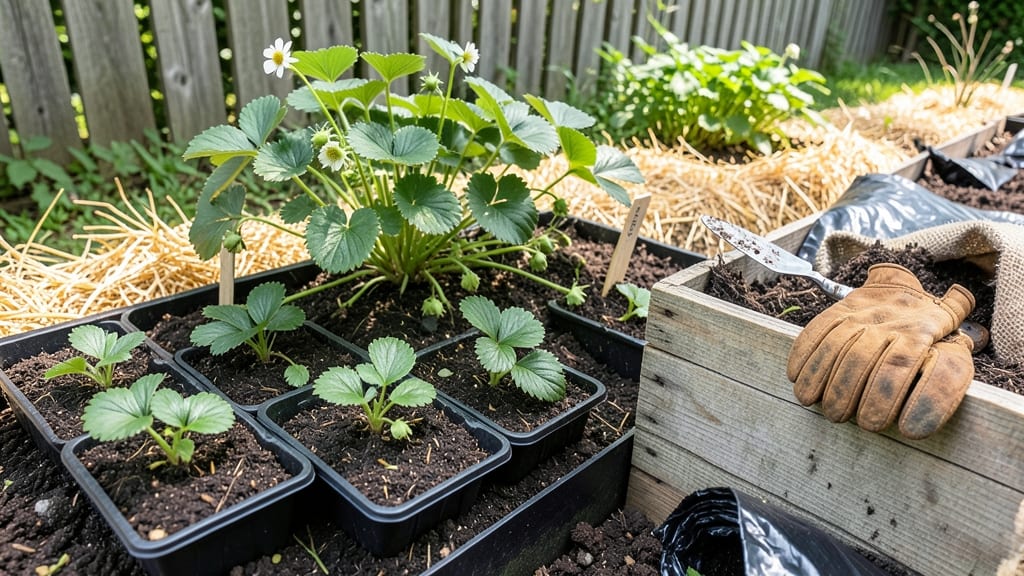
Timing your 🍓 strawberry planting in New York isn’t just about the calendar—it’s about outsmarting those sneaky late spring frosts that can wipe out your crop before it even starts.
With zones 5-7 facing unpredictable weather, getting the window right means the difference between a bountiful harvest and a sad, withered patch.
Most gardeners in New York know spring planting is the gold standard, but did you know fall planting can actually give you an earlier harvest? The key lies in understanding your specific zone’s frost dates and soil temperatures—something I’ll break down so you never guess again.
Whether you’re working with bare-root plants or potted varieties, these insights will help you plant with confidence.
Let’s cut through the confusion. You’ll discover the exact March-April and September-October windows that work best for your area, plus how to prep your soil and protect your plants from those infamous New York frosts. No more wasted effort—just sweet, juicy berries all season long.
Ready to turn your strawberry patch into a thriving success? I’ll walk you through every step, from choosing the right varieties to mulching strategies that keep your plants happy through winter. Let’s get growing!
New York strawberry planting calendar by hardiness zones (5-7)
New York’s USDA hardiness zones 5-7 mean your strawberry planting window is short but critical. The last spring frost typically arrives between April 15 (NYC) and May 1 (Upstate), while the first fall frost hits around October 15.
Timing your June-bearing or everbearing varieties just right ensures your plants establish roots before extreme cold or produce fruit before summer heat peaks.
For spring planting, aim to get strawberries in the ground 4-6 weeks before your last frost date. This gives them time to root deeply before temperatures climb.
In fall, plant 8-10 weeks before the first frost—early enough for roots to establish but late enough to avoid late-summer heat stress.
Soil temperature is just as important as air temperature. Strawberries thrive when soil reaches 45°F (7°C). Use a soil thermometer to confirm—cold soil delays root growth and increases frost damage risk.
In Zone 5, this usually aligns with late April, while Zone 7 gardeners can plant as late as early May.
Here’s the zone-specific breakdown for your planting schedule, including ideal soil temps and frost-free windows:
| Zone | Spring Planting Window | Soil Temp Goal | Fall Planting Window | Last Frost Date |
|---|---|---|---|---|
| 5 (Upstate NY) | Late April - Early May | 45°F (7°C) | Late August - Early Sept | May 1 |
| 6 (Central NY) | Early April - Mid-May | 45°F (7°C) | Early Sept - Mid-Sept | April 20 |
| 7 (NYC/Long Island) | Mid-April - Early May | 45°F (7°C) | Mid-Sept - Late Sept | April 15 |
June-bearing varieties like 'Jewel' or 'Chandler' produce one massive harvest in late spring/early summer, while everbearing types like 'Seascape' offer multiple smaller harvests from spring to fall. Everbearers are ideal for fall planting because they fruit early the following year, but June-bearers need full summer to mature before producing.
Pro tip: If you’re planting bare-root strawberries, soak the roots in lukewarm water for 1-2 hours before planting to jumpstart growth. For potted plants, harden them off for 3-5 days by placing them outdoors during the day and bringing them in at night.
This reduces transplant shock and helps them adapt to New York’s temperature swings.
Always choose a well-draining location with 6-10 hours of sunlight. Strawberries hate soggy soil, so amend heavy clay with compost or sand to improve drainage. Raised beds are perfect for Zone 5 gardeners because they warm up faster in spring and drain excess water during heavy rains.
After planting, apply 2-3 inches of mulch (straw or pine needles) to retain moisture, suppress weeds, and protect roots from temperature extremes. In Zone 5, add an extra layer of mulch in late fall to insulate plants during winter.
This simple step can double your survival rate in harsh winters.
Remember: Everbearing varieties planted in fall will produce small berries the first year but full harvests in years 2-3. June-bearers planted in spring take 60-75 days to fruit, so time your planting to align with your first frost-free window.
How to time strawberry planting for zero-frost success in NY
New York’s late spring frosts can strike as late as mid-April in many regions, so timing your strawberry planting correctly is critical. The key is to plant 4-6 weeks before your last frost date—typically late March to early April for most of the state.
This gives young plants time to establish roots before temperatures rise, but not so early that they’re vulnerable to early-season freezes.
For fall planting, aim for early September in Zone 5 or mid-September in Zone 7. This allows roots to grow before winter dormancy, but avoids planting too late, which can result in weak growth before the first frost.
Upstate NY gardeners should plan 1-2 weeks earlier than NYC due to colder microclimates.
Strawberries planted too late (after April 15) risk frost damage to flowers and leaves. Use row covers or mulch for extra protection if planting near the frost window. In Zone 5, wait until soil temps reach 45°F before planting—colder soil slows root growth.
Start by checking your local frost dates (use the National Weather Service or Cornell Cooperative Extension tools). For June-bearing varieties, plant bare-root plants in early spring, while everbearing types can handle slightly later plantings.
Always choose a sunny, well-draining spot—strawberries hate soggy soil, which leads to root rot.
If you’re in Zone 6 or 7, consider fall planting for a second harvest the following summer. Plant in September and protect with straw mulch (4-6 inches) to insulate roots during winter. Avoid planting after October 1, as new growth won’t harden off before frost.
For container gardening, plant potted strawberries 2-3 weeks earlier than in-ground plants—they warm up faster. Use black plastic mulch to raise soil temps and speed up growth. In NYC’s urban heat islands, you can sometimes plant 1 week earlier than Upstate regions due to warmer microclimates.
Test your soil 2 weeks before planting—ideal pH is 5.5-6.8. Amend with compost or well-rotted manure to improve drainage. Avoid fresh manure, which can burn roots. Water deeply after planting and keep soil moist (but not waterlogged) until plants establish.