
Plants
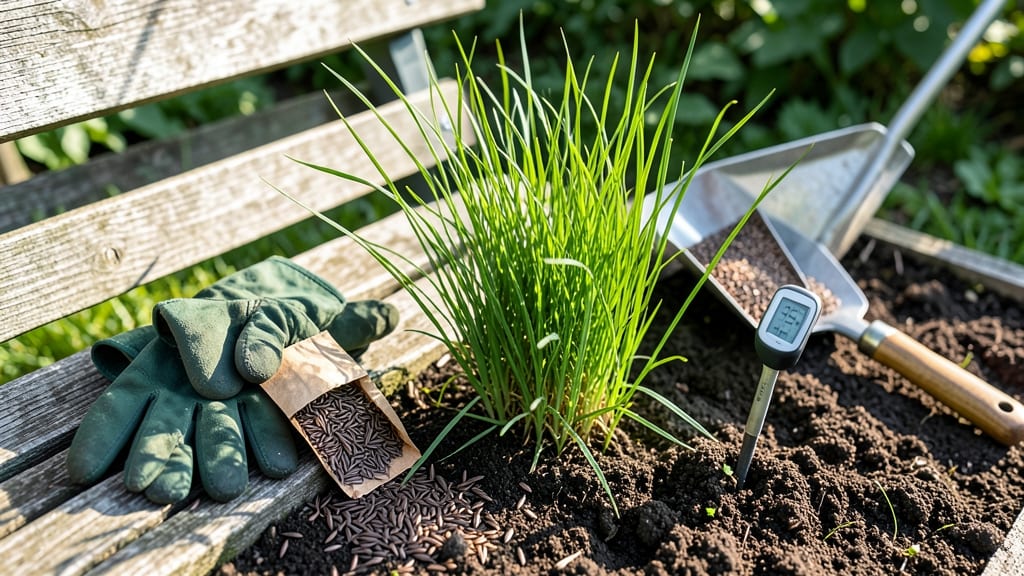
Planting ryegrass in Texas at the wrong time means wasting seeds—or worse, watching your cover crop bolt in the heat or freeze before it even takes root. The perfect window for fast germination and robust growth hinges on timing that balances Texas’s unpredictable climate with ryegrass’s needs.
For most of the Lone Star State, late summer to early fall (August-October) is the golden period to sow ryegrass 🌾. This timing lets seeds germinate in warm soil before winter sets in, giving your cover crop time to establish deep roots before frost.
But Texas isn’t one-size-fits-all—North Texas gardeners should aim earlier than those in South Texas, where milder winters allow for slightly later plantings.
Why does this matter? Because ryegrass thrives when soil temps hover between 55-75°F, and planting too early risks heat stress, while waiting too long leaves your crop vulnerable to winter kill.
I’ll break down the exact months for your region, plus soil prep tricks to ensure your ryegrass grows fast and strong, even in Texas’s tough conditions.
Whether you’re a homesteader or a lawn care pro, getting this right means healthier soil, better drought resilience, and fewer headaches next spring. Let’s dive into the science-backed schedule that works for Texas.
Best months to plant rye grass in Texas for maximum germination
Timing your ryegrass planting in Texas hinges on two critical windows: late summer to early fall and early spring. These periods align with soil temperatures between 55°F and 75°F, ideal for seed germination and root establishment.
Planting outside these windows risks heat stress (early planting) or frost damage (late planting), both of which can stunt growth or kill your cover crop before it matures.
Texas spans multiple USDA hardiness zones (8a-10b), so planting dates vary by region. North Texas (e.g., Dallas, Amarillo) has earlier frosts, while South Texas (e.g., Houston, San Antonio) enjoys milder winters.
For example, North Texas gardeners should aim for mid-September to early October for fall planting, whereas South Texas can extend planting until late October or November.
Spring planting in Texas typically starts in February for North Texas and March for South Texas. The goal is to establish roots before summer heat arrives.
Ryegrass grows best when soil temperatures hover around 60°F-65°F, making early spring an ideal time to avoid bolting—when the grass flowers prematurely due to heat stress.
To avoid common mistakes, use local frost date averages as your guide. For instance, Dallas averages its first frost around November 15, while Houston sees frost closer to December 15.
Planting 4-6 weeks before the first frost ensures your ryegrass has time to germinate, establish, and provide soil protection before winter sets in.
Here’s a quick rule of thumb: Fall planting should finish by mid-October in North Texas and late November in South Texas. Spring planting should begin no later than mid-March in North Texas and early April in South Texas to avoid summer heat stress.
Adjust based on your specific microclimate—urban areas may experience heat islands, while rural regions might have cooler nights.
| Texas Region | Fall Planting Window | Spring Planting Window | Key Consideration |
|---|---|---|---|
| North Texas (Dallas, Amarillo) | Mid-September to early October | February to early March | First frost: November 15 |
| Central Texas (Austin, Waco) | Late September to mid-October | Late February to early April | First frost: November 25 |
| South Texas (Houston, San Antonio) | Late October to November | March to early April | First frost: December 15 |
Adjusting for early or late seasons requires flexibility. If summer lingers into October, wait until soil temperatures drop below 80°F before planting. Conversely, if an early frost threatens in November, plant annual ryegrass as soon as possible to maximize growth before winter.
Use a soil thermometer ($10-$15) to monitor temperatures—ideal germination occurs at 55°F-75°F.
For fast germination, aim for a 30-45 day growth window before winter dormancy. This means planting ryegrass in late September for North Texas or early November for South Texas ensures it establishes roots before frost.
In spring, plant by mid-February in North Texas or early March in South Texas to avoid summer heat stress. Always check Texas A&M AgriLife Extension for localized frost date updates.
Pro tip: Use a cover crop calculator (like those from USDA NRCS) to input your zip code for precise planting dates. These tools account for microclimates, elevation, and local weather patterns—critical for Texas gardeners where conditions can vary dramatically over short distances.
For example, Hill Country regions may experience 10°F temperature swings nightly, while coastal areas stay milder.
Finally, consider ryegrass varieties with bolting resistance, such as 'Marshall' or 'Gulf', if you’re pushing planting windows. These varieties tolerate warmer soils better than standard types, giving you a slightly longer window for fall planting.
Always pair your planting schedule with proper soil prep—Texas soils often need amendments to improve drainage and fertility before seeding.
Mastering these planting windows ensures your ryegrass
Best months to plant rye grass in Texas for maximum germination
Texas’s variable climate makes timing critical for ryegrass success. Unlike northern states, Texas’s long growing season and late frost dates shift ideal planting windows. In North Texas (USDA Zones 7b-8a), aim for late August to early October—this gives seeds time to germinate before first frost (Nov 15).
In Central Texas (Zones 8a-8b), stretch planting to mid-October to avoid early winter heat spikes.
For South Texas (Zones 9a-10b), early spring planting (February-March) works best—skipping fall entirely due to mild winters. The key is soil temperatures between 55-75°F: too hot (80°F+) causes bolting; too cold (50°F) stalls germination.
Use a soil thermometer to confirm readiness before sowing.
| Texas Region | Ideal Planting Window | Soil Temp Goal | First Frost Date |
|---|---|---|---|
| North Texas (Zones 7b-8a) | Late August–Early October | 55–70°F | Nov 15–Dec 1 |
| Central Texas (Zones 8a-8b) | Mid-Sept–Mid-Oct | 60–75°F | Nov 20–Dec 10 |
| South Texas (Zones 9a-10b) | Feb–March | 65–72°F | Dec 15–Jan 15 |
Adjust timing based on microclimates. Urban areas like Dallas or Houston experience heat islands, delaying fall planting by 1-2 weeks. Rural spots with cooler nights (e.g., Hill Country) can plant 2 weeks earlier.
Always check Texas A&M AgriLife’s frost maps for your specific county—their data accounts for localized variations better than general zone guides.
For spring planting, prioritize February in North/Central Texas to beat summer heat. In South Texas, March is safer—ryegrass struggles with consistent 90°F+ temps. If you miss the window, oversowing (planting new seeds alongside established grass) can extend your germination window by 3-4 weeks.
Pro tip: Test germination rates by planting a small test patch 1-2 weeks before your target date. If 70%+ seeds sprout within 10 days, your timing is ideal. If germination drops below 50%, wait 1-2 weeks or adjust soil conditions (e.g., add compost to improve moisture retention).
Remember, ryegrass’s purpose—whether as a cover crop or winter lawn—dictates your urgency. For soil protection, plant 6 weeks before frost to establish roots. For grazing, aim for 45 days of growth before winter sets in. Texas’s unpredictable weather means flexibility is key.