
Plants
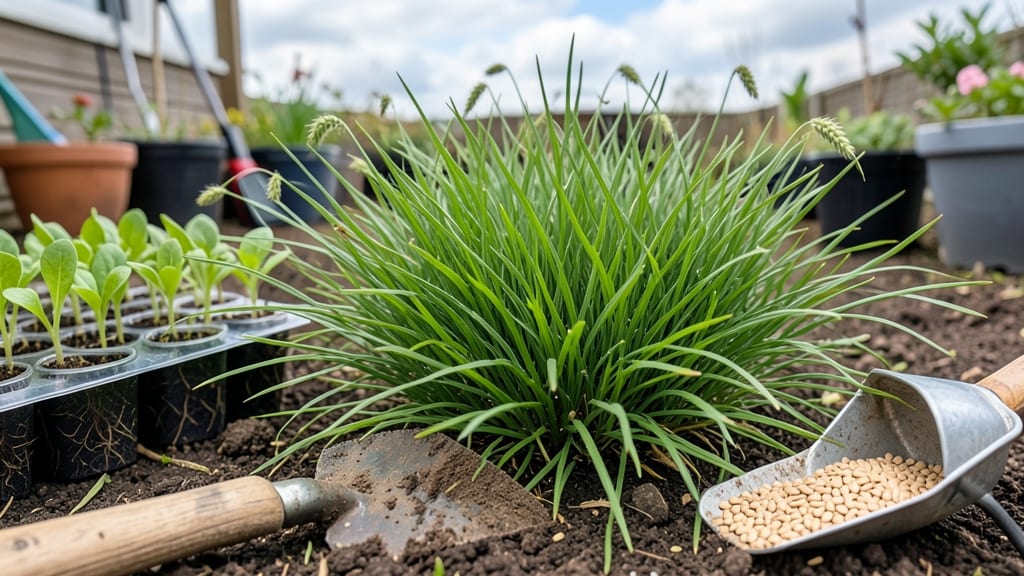
If you've ever struggled with when to plant annual ryegrass in Texas, you're not alone—getting the timing wrong can mean the difference between a lush winter cover crop and a patchy, weed-choked lawn.
The key lies in planting 4-6 weeks before the first frost, giving this hardy grass enough time to establish roots before winter dormancy kicks in.
For Texas gardeners in zones 8a-10b, that means focusing on August through October for fall planting, when soil temperatures are cooling but still warm enough for germination. Spring planting is also possible in February-March, but summer heat can stress young seedlings, so timing is everything.
Why does this matter? Annual ryegrass isn't just about pretty green grass—it's a game-changer for soil health, suppressing weeds, and protecting your yard from erosion. But rush it, and you'll end up with weak growth that won't survive the first cold snap.
Let me walk you through the exact windows, soil prep, and care tips tailored to Texas' unique climate zones—so you can plant with confidence and enjoy a resilient cover crop all winter long.
Ideal Texas planting windows for annual ryegrass by region
Texas' diverse climate means one planting window doesn't fit all. North Texas gardeners face earlier frosts, while South Texas enjoys longer growing seasons. To succeed, align your planting with local frost dates and soil temperatures. Here's how to time it perfectly for each region.
Annual ryegrass thrives when soil temps stay above 60°F for germination. In Texas, this typically means August through October for fall planting—the best time to establish roots before winter dormancy. Spring planting (February-March) is possible but riskier due to summer heat stress.
For North Texas (USDA Zones 7b-8a), aim for mid-August to early October. The first frost often hits around December 1, so planting 4-6 weeks before ensures strong root growth. In Central Texas (Zones 8a-8b), extend your window to late August through mid-October.
South Texas (Zones 9a-10b) gardeners have the most flexibility, with ideal planting from early September to November. Warmer winters allow later establishment, but avoid planting after October 15 to prevent summer dormancy struggles.
| Region | USDA Zone | Ideal Planting Window | First Frost Date | Key Tip |
|---|---|---|---|---|
| North Texas | 7b-8a | Mid-August to Early October | December 1 | Plant 4-6 weeks before frost |
| Central Texas | 8a-8b | Late August to Mid-October | November 15 | Avoid late October heat stress |
| South Texas | 9a-10b | Early September to November | January 1 (rare) | Extend window but avoid summer planting |
Adjust your planting date if summer heat lingers. Use a soil thermometer to confirm temps are above 60°F at 2-inch depth. In North Texas, if September stays hot, wait until early October. In South Texas, you might push to November if early frosts aren't forecasted.
For spring planting, February-March works but requires consistent moisture to combat Texas' drying winds. This method is best for overseeding existing lawns rather than full establishment. Spring-planted ryegrass may struggle with summer heat unless irrigated heavily.
Pro tip: Check the National Weather Service for your local frost advisory dates. In North Texas, frost can arrive as early as November 15, while South Texas rarely sees frost before January. Plan accordingly to maximize your growing window.
Remember, annual ryegrass is a cool-season grass. Planting too late risks shallow roots that freeze before winter. The goal is 4-6 weeks of growth before dormancy sets in. With proper timing, you'll have a dense, weed-choking ground cover by December.
🌱
Ideal Texas planting windows for annual ryegrass by region
Texas' diverse climate means your planting window for annual ryegrass depends heavily on where you live. North Texas gardeners face earlier frosts, while South Texas enjoys milder winters, creating a 4-6 week difference in optimal planting times.
Let's break it down by region to ensure you plant when soil temps and daylight align perfectly for germination.
For North Texas (Zones 8a-8b), aim to sow seeds between mid-August and early October. This gives your grass 6-8 weeks to establish roots before the first frost, typically hitting around mid-November to December 1.
If you're in Central Texas (Zones 8b-9a), extend your window slightly to late August through November, with frosts arriving later.
Gardeners in South Texas (Zones 9b-10b) have the most flexibility, planting from early August through December. The mild winters here mean your ryegrass can establish even later, but avoid planting after mid-November to prevent winterkill from unexpected cold snaps.
Always check your local USDA frost dates—they're your best guide.
| Region | Best Planting Window | Soil Temp Goal | First Frost |
|---|---|---|---|
| North Texas | Mid-August - Early October | 60-75°F (15-24°C) | Mid-Nov to Dec 1 |
| Central Texas | Late August - November | 65-75°F (18-24°C) | Late Nov - Dec 15 |
| South Texas | Early August - December | 70-80°F (21-27°C) | Jan 1 - Feb 1 |
Spring planting is possible in February-March, but be cautious—Texas' summer heat can stress young seedlings. If you choose spring, focus on North and Central Texas where cooler temperatures linger longer. South Texas gardeners should avoid spring planting entirely due to the intense summer heat that follows.
Pro tip: Use a soil thermometer to confirm temps are between 60-80°F (15-27°C) before planting. If your soil is still too hot, wait—your seeds will struggle to germinate in 90°F+ (32°C+) conditions. Patience now means stronger roots later.
Remember, annual ryegrass thrives in cool-season conditions, so aligning your planting with natural temperature shifts is key. Once established, it'll provide weed suppression and soil protection all winter long—making those few weeks of timing well worth the effort.