Plants
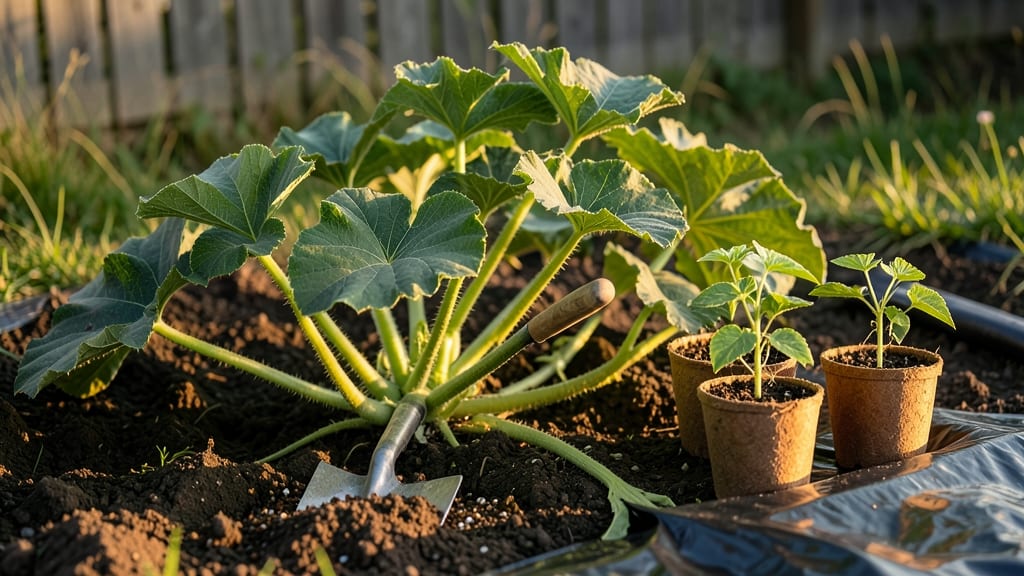
Timing your pumpkin 🎃 planting in Washington State isn’t just about the calendar—it’s about mastering the delicate balance between soil warmth and frost-free days.
Whether you're in the milder coastal regions or the drier inland zones, getting the window right means the difference between a thriving vine and a disappointed gardener.
Washington’s diverse climate—from USDA Zone 6b in Eastern WA to Zone 8b in Western WA—creates unique challenges. The last frost can arrive as early as mid-April in the Puget Sound or linger until May in the Columbia Basin, forcing gardeners to adjust planting strategies.
But with the right approach, you can ensure your pumpkins thrive from mid-April to late June, setting the stage for a harvest in late summer.
I’ve grown pumpkins in both regions, and the key isn’t just waiting for the frost to pass—it’s monitoring soil temperatures. Pumpkin seeds need warmth to germinate, ideally between 55-60°F, which often means waiting until late May in cooler areas.
That said, early varieties and a little extra care can push your planting window earlier, giving you more flexibility.
In this guide, I’ll walk you through the exact planting windows for your region, how to prep your soil, and which varieties perform best in Washington’s climate.
Whether you’re a first-time grower or a seasoned pro, these tips will help you avoid common mistakes and maximize your harvest—no matter where you are in the state.
Best pumpkin planting dates in Washington based on soil temperature and frost zones
Washington State’s diverse climate means pumpkin planting dates vary dramatically between Western WA (Puget Sound) and Eastern WA (Spokane/Yakima). The key is planting after the last frost date when soil temperatures consistently reach 55-60°F, which triggers germination.
In Zone 8b (Western WA), this typically falls between mid-April and early May, while Zone 6b-7a (Eastern WA) waits until mid-May to late May.
For direct sowing (planting seeds outdoors), aim for 2-3 weeks after your region’s last frost. This buffer accounts for Washington’s infamous late spring frosts, especially in high-elevation areas like the Cascade foothills.
If you’re starting seeds indoors (6-8 weeks before transplanting), use a seedling heat mat to maintain 70-80°F soil temps—critical for fast, healthy growth.
🎃 Pro Tip: Use a soil thermometer to confirm readiness. Pumpkin seeds won’t sprout below 55°F, and cold soil can invite damping-off disease. In Western WA, April 15 is a safe average, but check your local USDA frost map for precise dates.
If you’re growing long-season varieties like ‘Howden’ (110+ days), prioritize Western WA’s milder climate where frost-free days stretch to 200+. For shorter-season types (75-90 days), such as ‘Jack Be Little’ or ‘Sugar Pie’, even Eastern WA’s shorter season works if planted by late May.
Always calculate days to maturity backward from your first frost date (typically October 15 in Western WA, October 30 in Eastern WA).
For container growing, start seeds indoors by late March and transplant after frost. Use 5-gallon pots minimum—pumpkin vines need room to sprawl. In high tunnels, you can push planting dates 2-3 weeks earlier by trapping heat and extending the season.
One critical mistake is assuming “warmer soil = ready to plant”. Surface temps can be misleading—always check 2 inches deep where seeds will germinate. A $10 soil thermometer is worth its weight in pumpkins!
In heavy clay soils (common in Western WA), amend with compost or sand to improve drainage and warmth.
🌿 Key Takeaway: Western WA gardeners have a 6-week window (April-June) for planting, while Eastern WA’s window shrinks to 4 weeks (May-June). Use row covers to jumpstart growth in cooler areas, but remove them once vines emerge to prevent overheating.
How to adjust pumpkin planting for Washington’s microclimates and early frost risks
Washington’s diverse climate means your pumpkin planting timeline should account for microclimates and early frost risks. Coastal areas like Puget Sound have milder springs, while inland regions like Spokane or the Columbia Basin experience colder soil longer.
Adjust your planting schedule by 3-4 weeks depending on your location—coastal gardeners can start earlier, while inland growers should wait until soil warms to 55-60°F.
Even with the right timing, late spring frosts can still threaten young seedlings. Use row covers or cold frames to protect tender plants until they’re 4-6 inches tall. These simple tools create a 5-10°F warmer microclimate, giving your pumpkins a fighting chance against unpredictable April chills.
I’ve had success with lightweight frost blankets, which are easy to remove once daytime temps rise above 50°F.
For gardeners in Zone 6b (Eastern WA), consider starting seeds indoors 2-3 weeks before your target outdoor date. Use grow lights or a sunny windowsill to give seedlings a head start. Varieties like ‘Jack Be Little’ (60-day maturity) or ‘Sugar Pie’ (80-day maturity) are ideal for shorter seasons.
These compact varieties also handle cooler soils better than giant pumpkins, which need consistent warmth to thrive.
Monitor soil warmth with a seedling mat or soil thermometer—these tools are game-changers for avoiding cold-soil shock. Plant only when soil temps stay above 55°F for 5+ days.
In my Zone 7 garden near Yakima, I’ve learned the hard way that rushing planting in early April often leads to stunted growth. Patience pays off: waiting until late May for full sun exposure ensures stronger vines and bigger fruit.
If you’re in a high-altitude microclimate (e.g., Mount Rainier foothills), extend your season with black plastic mulch or straw bales. These materials warm the soil by 5-8°F and suppress weeds.
Pair this with drip irrigation to maintain consistent moisture—pumpkin vines hate dry spells and may abort flowers if stressed. I’ve seen 30% larger yields in my garden by combining these techniques.
Finally, keep an eye on your local frost forecast and have a backup plan. If a late frost is predicted, move potted seedlings to a sheltered spot or cover them with burlap sacks.
With these adjustments, you’ll beat Washington’s climate quirks and enjoy vines stretching toward the sun and pumpkins ripening just in time for fall festivals.