
Plants
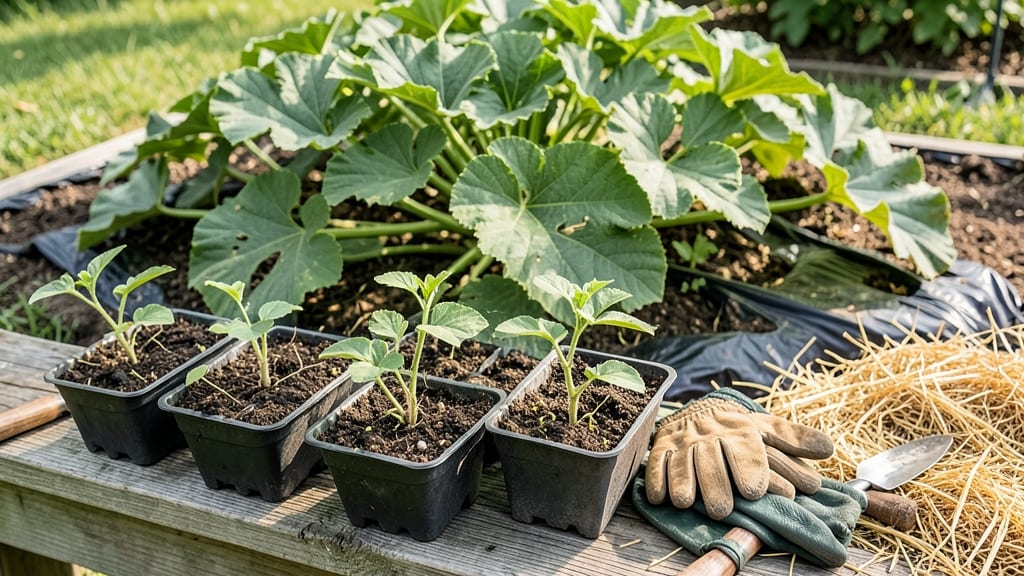
Timing your pumpkin planting in Illinois isn’t just about waiting for spring—it’s about catching that sweet spot between soil warmth and frost-free days to grow 🎃 that thrive. With USDA zones 5-6 and unpredictable weather, getting it right means the difference between lush vines and wilted dreams.
Most Illinois gardeners plant pumpkins between mid-April and mid-May, but the real secret lies in soil temperature. Your seeds won’t sprout until the ground reaches at least 60°F, so don’t rush—wait for nature’s cue.
Even experienced growers adjust their schedules based on whether they’re planting fast-maturing varieties or saving space for late-season giants.
If you’re starting seeds indoors, begin 4-6 weeks before your last frost date (usually around mid-April). For direct sowing, hold off until after the last frost—typically late April to early May—when the risk of frost has passed.
This timing ensures your pumpkins have 90+ days of warm weather to mature before fall’s chill sets in.
Ready to grow pumpkins that rival the best at the farmers' market? I’ll walk you through the exact soil tests, frost-free triggers, and variety choices that work best for Illinois gardens—so you can plant with confidence and harvest like a pro.
Illinois pumpkin planting dates by soil temperature & last frost guidelines
Pumpkins thrive in Illinois’ warm summers, but timing your planting is critical—especially since the state spans USDA Zones 5-6 with 165 frost-free days. Northern Illinois (e.g., Chicago) has a later last frost (mid-May), while Southern Illinois (e.g., St. Louis) can plant as early as early April.
The key? Wait until soil temperatures hit 60°F+ and all frost risk has passed.
Direct sowing is the preferred method for pumpkins, as they hate transplanting. However, if you’re in Zone 5 or face unpredictable springs, start seeds indoors 4-6 weeks before your last frost date using biodegradable pots. Harden off seedlings for 7-10 days before moving them outdoors.
For most of Illinois, the optimal planting window is mid-April to mid-May. Early varieties (like ‘Jack Be Little’) can tolerate cooler soils (55°F), while heirlooms (like ‘Howden’) need 65°F+ to germinate reliably. Use a soil thermometer to confirm—cold soil delays germination by weeks.
Here’s a quick regional breakdown to avoid common mistakes:
| Region | Last Frost Date | Optimal Planting Window | Soil Temp Threshold | Notes |
|---|---|---|---|---|
| Northern IL (Chicago, Rockford) | Mid-May | Late May to early June | 60°F+ | Short growing season; choose fast varieties (75-90 days). |
| Central IL (Springfield, Peoria) | Early May | Mid-April to mid-May | 55°F+ (early) / 60°F+ (late) | Balanced season; ideal for most varieties. |
| Southern IL (St. Louis, Carbondale) | Early April | Early April to early May | 60°F+ | Longer season; can plant heirlooms and late varieties. |
Pro tip: Use black plastic mulch to warm soil faster in cooler regions. Lay it down 1-2 weeks before planting to accelerate germination. For USDA Zone 5, consider a row cover to extend the season by 2-3 weeks if late frosts threaten.
If you’re planting in June or later, opt for fast-maturing varieties (e.g., ‘Autumn Gold’ at 75 days) to ensure harvest before the first frost. Avoid long-season varieties like ‘Cinderella’—they won’t mature in time.
For container growing (e.g., patios or small spaces), plant dwarf varieties like ‘Baby Boo’ in late May. Use 5-gallon pots with drainage and place them in full sun. Containers heat up faster, so monitor soil moisture closely.
Remember: Pumpkins need 90-120 days to mature. Calculate backward from your average first frost date (mid-October in most of Illinois) to avoid disappointment. For example, if your frost date is October 15, plant by July 15 for a 90-day variety.
Finally, test your soil pH (aim for 6.0-7.0) and amend with compost. Pumpkins are heavy feeders, so enrich the soil before planting. A 10-10-10 fertilizer applied at planting and again when vines start running will boost yields.
How to adjust pumpkin planting for Illinois’ unpredictable weather patterns
Illinois’ unpredictable spring weather can turn a perfect pumpkin patch into a failed experiment overnight. Late frosts in May or sudden heatwaves in June are common, so flexibility is key.
The trick is to stagger your planting—sow a few seeds every 10-14 days from mid-April through early June to ensure at least one batch thrives. This spreads risk and guarantees a harvest, even if Mother Nature throws curveballs.
For extra protection, use row covers or floating fabric to shield young seedlings from late frost threats. These lightweight barriers trap heat during the day and release it at night, giving your pumpkins a fighting chance. Just
🌱
Watch for These Illinois-Specific Risks
- Late Frost (May 10-20): Use row covers until danger passes.
- Heatwave (June-July): Mulch heavily to retain moisture.
- Drought (August): Water deeply at soil level, not leaves.
- Squash Vine Borers: Plant marigolds nearby as a natural deterrent.
Drought is another Illinois nemesis, especially in August when pumpkins are swelling. To combat dry spells, mulch around vines with straw or shredded leaves—this locks in moisture and keeps roots cool. Pair this with drip irrigation to deliver water directly to the soil, avoiding wasteful evaporation.
If your garden feels like a desert, consider container growing for smaller varieties like ‘Jack Be Little’—they’re more drought-tolerant and easier to hydrate.
Companion planting is your secret weapon against pests like squash vine borers, which love Illinois’ humid summers. Interplant marigolds or nasturtiums near your pumpkins—their strong scents confuse borers and attract beneficial insects. Avoid planting pumpkins near potatoes or other cucurbits, though, as they share diseases like powdery mildew.
Finally, keep an eye on the 7-day forecast before planting. If a cold snap is predicted, delay sowing or use a mini greenhouse (even a clear plastic bottle over seedlings works!).
Illinois’ USDA Zones 5-6 mean you’re always one frost away from disaster—so plan for the worst and hope for the best. With these adjustments, your pumpkins will outlast the weather, not the other way around.
☀️