
Plants
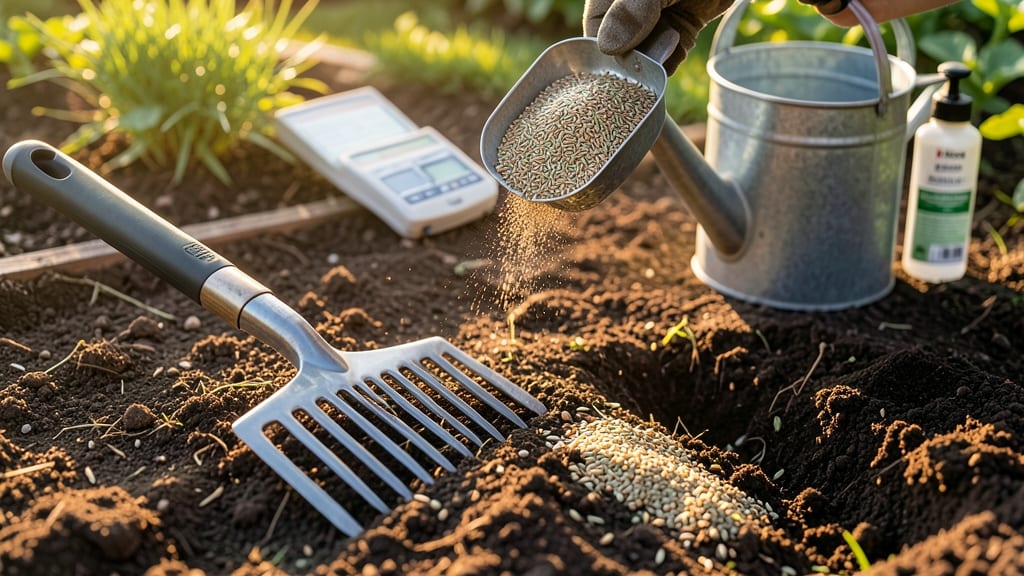
Timing your spring grass seed planting just right can transform your lawn from patchy to picture-perfect in weeks. The key? Understanding when soil temperatures hit that sweet spot for fast germination—because planting too early or too late means waiting months for that lush, green carpet to take hold.
In Zone 6a, where many gardeners live, early spring is your golden window—typically 4-6 weeks before your last frost date. But here's the catch: rushing too soon when soil is still chilly can leave your seeds struggling, while waiting too long risks summer heat stress.
I’ll break down exactly how to check soil temps and adjust your schedule for fast results, no matter where you’re planting.
You’ve probably heard conflicting advice—plant in February or wait until April? The truth is, it depends on your local climate and the type of grass you’re growing. Cool-season grasses like Kentucky bluegrass thrive in cooler soil, while warm-season varieties need heat to sprout.
Let’s cut through the guesswork so you can seed with confidence and see those first green shoots in record time.
Ready to skip the trial-and-error? I’ll walk you through the exact steps to test your soil, pick the perfect window, and prep your lawn for seeding—so you can enjoy a vibrant yard without the waiting game. Let’s get started.
Ideal soil temperature ranges for planting grass seed in spring
Getting your grass seed timing right in spring isn’t just about the calendar—it’s about soil temperature. Cool-season grasses like fescue and ryegrass thrive when soil reaches 40°F to 55°F, while warm-season varieties such as Bermuda and Zoysia need 70°F to 75°F for optimal germination.
Planting too early or late can leave your seeds struggling, leading to patchy or slow growth.
Most gardeners overlook this detail and end up with uneven germination or wasted seed. The key is monitoring your local soil temperature rather than relying on the weather forecast. Even in the same region, microclimates—like shaded areas or south-facing slopes—can shift ideal planting windows by 1 to 2 weeks.
Soil temperature is more critical than air temperature because seeds absorb heat from the ground. For example, a 50°F morning might feel chilly, but if the soil is 60°F, your warm-season grass seeds could sprout faster than expected. Always check 1 to 2 inches deep, where the seeds will be planted.
| Grass Type | Ideal Soil Temp (°F) | Best Planting Window | Germination Time |
|---|---|---|---|
| Cool-Season (Fescue, Ryegrass, Bluegrass) | 40°F–55°F | Early Spring (4–6 weeks before last frost) | 7–21 days |
| Warm-Season (Bermuda, Zoysia, St. Augustine) | 70°F–75°F | Late Spring (after last frost, soil warm) | 10–30 days |
| Transition Zone (Kentucky Bluegrass, Tall Fescue) | 50°F–65°F | Early to Mid-Spring (adjust for frost) | 10–28 days |
If you’re in a northern climate (USDA Zones 3–6), aim to plant cool-season grass as soon as the soil warms to 40°F—even if frost is still possible. These grasses are cold-hardy and can handle light frosts after germination.
In southern regions (Zones 7–10), wait until the soil hits 70°F+ to avoid fungal diseases that thrive in damp, cool conditions.
One common mistake is planting warm-season grass too early. Seeds left in cool soil (<60°F) may rot before sprouting. Always verify with a soil thermometer—don’t guess! For example, in Zone 5, early April might feel warm, but the soil could still be 38°F, delaying germination by weeks.
For overseeding existing lawns, the rules shift slightly. Cool-season grasses can be sown in early fall (late August–September) when soil temps drop to 60°F–70°F. This avoids summer heat stress and gives seedlings time to establish before winter. Warm-season grasses, however, should never be overseeded—they won’t survive cool weather.
Pro tip: Use a soil warming trick if your spring is unusually cold. Lay down black plastic mulch for 1–2 weeks before planting to raise soil temperature by 5–10°F.
Just remove it before seeding to avoid smothering sprouts. This hack is especially useful in Zone 4 or colder, where early springs are common.
Finally, remember that even moisture is just as critical as temperature. Seeds need consistent soil moisture (not soggy) to germinate. Water lightly twice daily until sprouts appear, then taper to 1 inch per week.
A sprinkler with a fine mist setting works best for keeping seeds hydrated without washing them away.
By mastering these soil temperature thresholds, you’ll transform your lawn from a bare patch to a thick, green carpet in just a few weeks. The secret? Patience and precision—your grass will thank you for it! 🌱
Ideal soil temperature ranges for planting grass seed in spring
Spring is the perfect time to plant grass seed, but timing is everything—especially when it comes to soil temperature. Grass seeds need the right warmth to germinate properly, and planting too early or too late can stall growth.
For cool-season grasses like fescue or ryegrass, aim for soil temps between 40°F and 55°F. Warm-season varieties, such as Bermuda or Zoysia, thrive when soil reaches 65°F to 75°F. Understanding these ranges helps avoid common mistakes like slow germination or seed rot.
Most gardeners overlook soil temperature and focus only on air temperature or frost dates. However, soil thermometers reveal the truth—your lawn’s underground conditions may differ significantly from what the weather forecast predicts.
For example, a sunny afternoon might warm the air to 60°F, but the soil could still be chilly at 45°F, delaying germination. Always check soil temps 1–2 inches deep, where seeds will sprout.
If you’re planting in early spring, prioritize cool-season grasses like Kentucky bluegrass or tall fescue. These varieties tolerate cooler soils and can handle light frosts. In contrast, late spring planting (after mid-April in most regions) suits warm-season grasses, which need consistent warmth to establish strong roots.
The key is matching your grass type to the soil’s current conditions, not just the calendar date.
| Grass Type | Ideal Soil Temp | Best Planting Window | Germination Time |
|---|---|---|---|
| Cool-Season (Fescue, Bluegrass, Ryegrass) | 40°F–55°F | Early spring (4–6 weeks before last frost) | 7–21 days |
| Warm-Season (Bermuda, Zoysia, St. Augustine) | 65°F–75°F | Late spring (after last frost, soil >60°F) | 10–30 days |
Regional differences play a huge role in timing. In northern climates (Zones 3–6), early spring planting (March–April) works best for cool-season grasses, while southern regions (Zones 7–10) can start warm-season grasses as early as February if soil temps permit.
Always account for your local frost dates—planting too soon risks seed washout from heavy rains or frost damage. For example, in Zone 5, waiting until mid-April ensures soil is warm enough for fescue to sprout within 10–14 days.
Another critical factor is soil moisture during germination. Seeds need consistent moisture to activate, but soggy soil can suffocate them. After planting, water lightly twice daily (morning and evening) to keep the top inch of soil damp.
Once sprouts appear, reduce to 1 inch of water per week. Mulching with straw helps retain moisture and protects seeds from drying out or crusting over.
If you miss the ideal window, don’t panic! Late spring planting (May) can still work for warm-season grasses, though you may need to use a starter fertilizer to boost early growth. Just avoid planting in summer heat, as high temperatures stress young seedlings.
By aligning your planting with soil temperature and regional climate, you’ll set your lawn up for success—no bare patches in sight!