
Plants
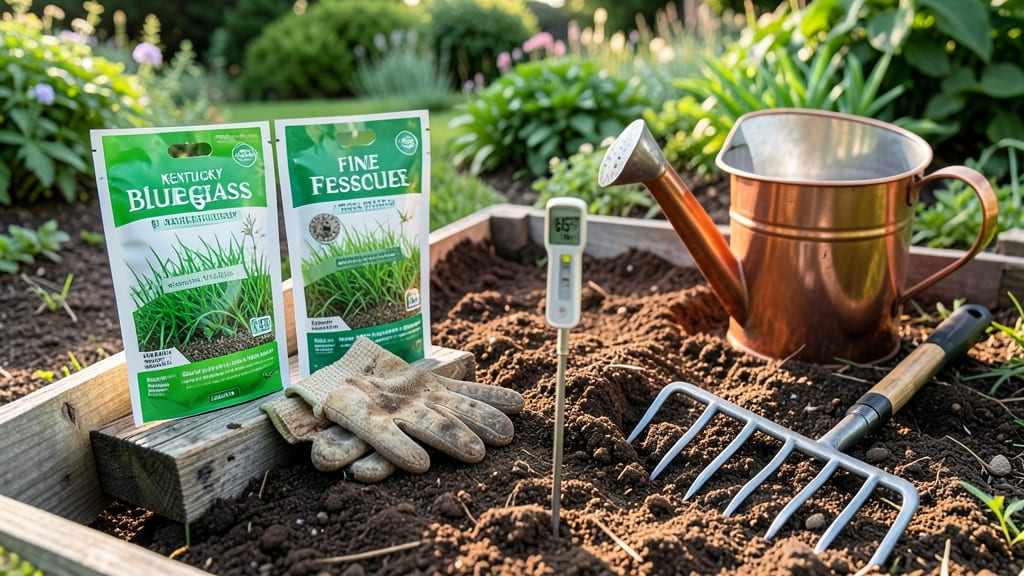
If you've ever poured time and effort into planting grass seed in Massachusetts only to watch it wither under the wrong conditions, you're not alone. The difference between a lush, green lawn and a patchy disappointment often comes down to one critical factor: timing.
Massachusetts' 5b-6b climate zone means your grass seed needs the perfect window—when soil temperatures hover between 55°F and 75°F—to germinate properly. Plant too early, and frost can kill your efforts; too late, and summer heat stresses young roots.
The sweet spot? Late spring to early fall, when Mother Nature plays nice.
I'll break down exactly when to plant for your specific region—whether you're along the coast or inland—plus how to prep your soil and avoid common mistakes. No more guessing games; just a thicker, greener lawn that stays strong year-round.
Let's get your lawn off to the best possible start—because the right timing makes all the difference.
Massachusetts grass seed planting calendar: ideal months for best germination rates
Massachusetts gardeners know timing is everything when planting grass seed. The ideal window for planting is late spring to early fall, when soil temperatures stay between 55°F and 75°F. This range ensures strong germination and root development before winter dormancy.
For most of the state, April through May and September through October are the sweet spots, aligning with the last and first frost dates.
Your local microclimate plays a huge role. Coastal areas like Cape Cod and the South Shore can start planting as early as late March, thanks to milder temperatures.
Meanwhile, inland regions like the Berkshires or Worcester may need to wait until mid-April to avoid frost damage. Always check your USDA Zone (5b-6b) for precise guidance.
Here’s the key: Soil temperature matters more than air temperature. Use a soil thermometer to confirm your soil is at least 55°F before planting. Grass seed won’t germinate well in cold soil, no matter how warm the air feels.
In September and October, aim for planting 4-6 weeks before the first frost to give seedlings time to establish before winter.
One common mistake is planting too early in spring. If you seed in February or early March, seedlings may emerge only to be killed by late frosts. Similarly, planting too late in fall (after early October) risks weak root systems before winter sets in. Balance is everything!
For fastest germination, choose a cool-season grass mix like tall fescue or Kentucky bluegrass, which thrive in Massachusetts’ climate. These varieties handle the state’s hot summers and cold winters better than warm-season grasses, which struggle in our short growing season.
Preparation is just as critical as timing. Before seeding, remove weeds, level the soil, and add compost to improve drainage. A thin layer of starter fertilizer (high in phosphorus) will give your grass a strong start.
Skipping prep work often leads to patchy, weak lawns—no matter how perfect your timing.
Watering is another game-changer. After planting, keep the soil consistently moist (not soggy) for the first 2-3 weeks. Aim for 1 inch of water per week, applied in the early morning to reduce evaporation and fungal risks. Overwatering or letting the soil dry out can stall germination entirely.
If you’re in a transition zone (like parts of Central MA), consider a two-step approach: plant cool-season grass in early fall for winter hardiness, then overseed with warm-season grass in late spring if needed. This hybrid method can extend your lawn’s green season and fill in thin spots.
Pro tip: Use a mulching mat or straw after seeding to retain moisture and protect seedlings from wind. This is especially helpful in dry springs or windy coastal areas. Just avoid burying the seed too deeply—¼ inch of coverage max—or germination will suffer.
| Timeframe | Soil Temp | Key Tasks | Notes |
|---|---|---|---|
| Late March–Mid-April (Coastal) | 50°F–55°F | Test soil, prep beds, seed | Watch for late frosts |
| Mid-April–May (Inland) | 55°F–65°F | Seed, mulch, water daily | Peak germination window |
| September–Early October | 60°F–70°F | Seed, fertilize, mulch | 4–6 weeks before frost |
| Avoid: Late Oct–Nov | Below 50°F | N/A | Seedlings won’t survive winter |
Remember, consistency is key. Even if you plant at the perfect time, skipping watering or fertilization can undo your progress. Monitor your lawn closely for the first 30 days, adjusting watering as needed.
If you notice yellowing or sparse growth, it might be a sign of poor timing—or a need for
How to adjust planting time for Massachusetts’ microclimates: coastal vs. inland differences
Massachusetts’ diverse geography means your planting schedule should match your location. Coastal areas like Cape Cod or Boston enjoy milder winters and longer growing seasons, while inland regions like Worcester or Springfield experience cooler temperatures and later frost dates.
These differences can shift your ideal planting window by 2-4 weeks—don’t assume a one-size-fits-all approach works!
For coastal regions, you can start seeding as early as mid-February to early March, thanks to moderating ocean influence. Inland areas, however, should wait until late March to April to avoid frost damage.
The key is tracking soil temperatures: aim for at least 50°F for consistent germination, whether you’re near the coast or 50 miles inland.
Region
Ideal Planting Window
Seed Type
Soil Temp Goal
Coastal (e.g., Cape Cod, Boston)
Mid-February to early March / September to mid-October
Cool-season (Kentucky Bluegrass, Fescue)
50–55°F
Inland (e.g., Worcester, Springfield)
Late March to April / Late August to September
Cool-season (Tall Fescue, Perennial Ryegrass)
55–60°F
Western MA (e.g., Berkshires)
April to May / Late September
Cool-season (Fine Fescue blends)
60°F+
Another critical factor is seed variety selection. Coastal areas thrive with Kentucky Bluegrass, which handles humidity and salt spray, while inland zones benefit from Tall Fescue or Perennial Ryegrass for drought resistance.
Always check the seed packet for days to germination—cooler inland soils may need faster-sprouting varieties like Turf-Type Tall Fescue, which germinates in 7–14 days compared to 14–21 days for Bluegrass.
If you’re unsure about your microclimate, use local frost date resources like the Massachusetts Agricultural Extension Service. Their maps show last frost dates as late as May 15 in northern MA, while coastal areas may see frost-free conditions by April 15.
Planting too early in these zones risks frost heave (when soil freezes and lifts seedlings), while waiting too long can lead to summer dormancy before roots establish.
For fall plantings, coastal regions can seed until mid-October, but inland areas should finish by early October. The goal is to allow 4–6 weeks of growth before the first frost—enough time for roots to penetrate 3–4 inches deep.
Use a soil thermometer to monitor progress; aim to see new shoots within 10–14 days of planting.
Pro Tip: If you’re in a borderline zone (like Central MA), split your seeding into two batches: plant half in early spring and half in early fall. This hedges against unpredictable weather and ensures a thicker, more resilient lawn by the next growing season.
🌱