
Companion Plants
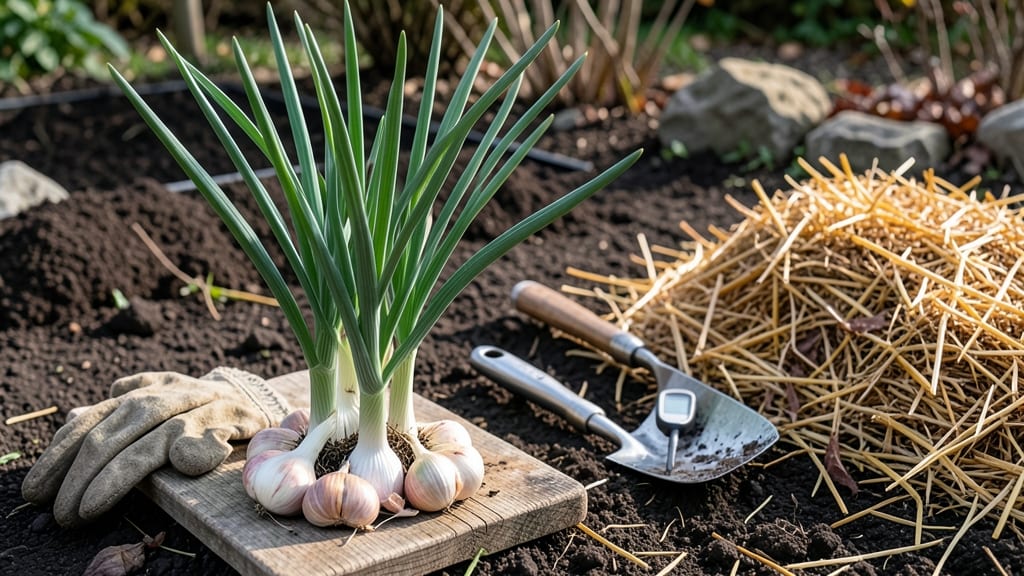
If you've ever wondered when to plant garlic in Zone 6, timing is the secret weapon that separates great harvests from disappointing ones.
The difference between bold, flavorful cloves and weak, underdeveloped bulbs often comes down to planting in the right window—typically October through November—when soil temperatures drop but before the ground freezes solid.
Zone 6 gardeners know the struggle: plant too early, and your garlic might bolt or rot; too late, and frost can damage emerging shoots. But with the right approach, you can grow hardneck varieties like Rocha or Silverskin that thrive in this climate, yielding harvests ready by mid-summer.
Let’s break down the exact steps to get your garlic off to the best start.
Most gardeners focus on the planting date, but soil prep and microclimate matter just as much. Well-drained soil, proper spacing, and even a little mulch can make all the difference in Zone 6’s unpredictable winters.
I’ll walk you through the ideal schedule, common pitfalls, and how to adjust for late starts or early frosts.
Ready to grow garlic that rivals store-bought? By the end of this guide, you’ll know exactly when to plant, how deep to bury those cloves, and what to watch for as your garlic grows. Let’s get those 🧄 bulbs thriving!
Best months to plant garlic in Zone 6 for maximum yield
In Zone 6, garlic thrives when planted in fall—specifically between mid-October and early November.
This timing lets cloves establish roots before winter dormancy, ensuring robust growth when spring arrives. Hardneck varieties (like 'Music' or 'German White') perform best in Zone 6, while softneck types (like 'Artichoke') tolerate slightly later plantings.
Spring planting is possible but riskier—only attempt it in early March if you miss the fall window. The key is aligning planting with soil temperatures (below 80°F) and frost dates (4–6 weeks before the first hard freeze). For Zone 6, this typically means October 15–November 15 for optimal results.
Zone 6 Garlic Planting Summary
| Timing | Variety | Soil Temp | Key Notes |
|---|---|---|---|
| Fall (Oct 15–Nov 15) | Hardneck (e.g., 'Music') | Below 80°F | Best for Zone 6; 4–6 weeks before frost |
| Spring (Early March) | Softneck (e.g., 'Silverskin') | 40–50°F | Smaller bulbs; risk of bolting |
| Late Fall (Dec) | Hardneck only | Frozen soil | Emergency planting; may yield poorly |
For Zone 6a (colder microclimates), aim for early October planting to avoid early frosts. In Zone 6b (warmer), you can extend planting to mid-November. Use a soil thermometer to confirm temps—garlic roots need 40–50°F soil to establish before winter.
Hardneck varieties dominate in Zone 6 because they bolt in spring, producing scape shoots (edible stems) while forming bulbs. Softnecks, like 'California Early', are better for longer storage but require warmer winters—not ideal for Zone 6’s colder snaps. Always choose organic, untreated cloves from a reputable supplier.
Mulch heavily (with straw or leaves) after planting to insulate cloves through winter. In Zone 6, mulch should be 4–6 inches deep to protect against heaving (when soil freezes and expands, pushing plants out). Remove mulch in early spring to prevent rot.
Spring planting is a last-resort option—bulbs will be smaller and less flavorful than fall-planted garlic. If you must plant in spring, use smaller cloves (they grow faster) and avoid nitrogen-heavy fertilizers, which encourage leafy growth over bulb development.
Pay close attention to local microclimates. Gardens in valleys or near large bodies of water may experience later frosts, delaying planting by 1–2 weeks. Conversely, south-facing slopes warm faster, allowing earlier plantings.
Use a planting calendar to track frost dates—most Zone 6 gardeners experience their first hard frost by mid-November. Planting 4–6 weeks before this date ensures garlic has time to root but stays dormant through winter.
Test your soil pH (ideal: 6.0–7.0) and amend with compost or well-rotted manure before planting. Garlic hates compacted or waterlogged soil, so add sand or perlite if drainage is poor. A well-prepared bed is the foundation of a successful harvest.
Remember: Patience is key. Garlic planted in fall won’t show above-ground growth until spring, but those hidden roots are the secret to bold, flavorful bulbs by summer. Mark your planting spots to avoid disturbing them over winter.
Best months to plant garlic in Zone 6 for maximum yield
In Zone 6, garlic thrives when planted in the fall—specifically between mid-October and early November.
This timing allows roots to establish before winter dormancy, while spring planting (March) is a backup for missed windows. Hardneck varieties like 'Music' or 'German White' perform best in Zone 6's climate, while softneck types like 'Artichoke' can handle slight adjustments.
Your last frost date (typically mid-November) is your deadline—plant 4-6 weeks before this to ensure roots harden before freezing. Soil temperatures should be 40-50°F for ideal germination. Spring planting works but often yields smaller bulbs due to summer heat stress.
🌱 Did You Know?
| Planting Window | Best For | Soil Temp |
|---|---|---|
| Mid-October - Early November | Hardneck varieties | 40-50°F |
| Late September - Early October | Softneck varieties | 50-60°F |
| March (Spring Backup) | Emergency planting | 50°F+ |
For Zone 6a (colder microclimates), aim for early October planting to avoid early freezes. In Zone 6b (warmer), mid-November is acceptable. Always test soil pH (6.0-7.0)—garlic hates alkaline conditions. Amend with compost if needed, as well-draining soil prevents rot during winter.
Pro tip: Use last year's garlic bulbs for planting—they're already adapted to your microclimate. Break bulbs into individual cloves and plant the pointy end up, 2 inches deep, with 4-6 inches between cloves. This spacing prevents competition and ensures large, firm bulbs at harvest.
Missed the fall window? Don't panic! Spring planting in early March still works, but expect smaller yields. Prioritize shade cloth in summer to protect plants from Zone 6's intense July sun, which can cause bolting (premature flowering). Mulch heavily with straw to retain moisture and regulate soil temps.
Remember: Garlic needs cold dormancy to form bulbs—skipping this step results in leggy, weak plants with poor flavor. In Zone 6, nature provides the perfect winter chill, but timing your planting ensures you harvest plump, flavorful bulbs by mid-summer. 🧄