
Plants
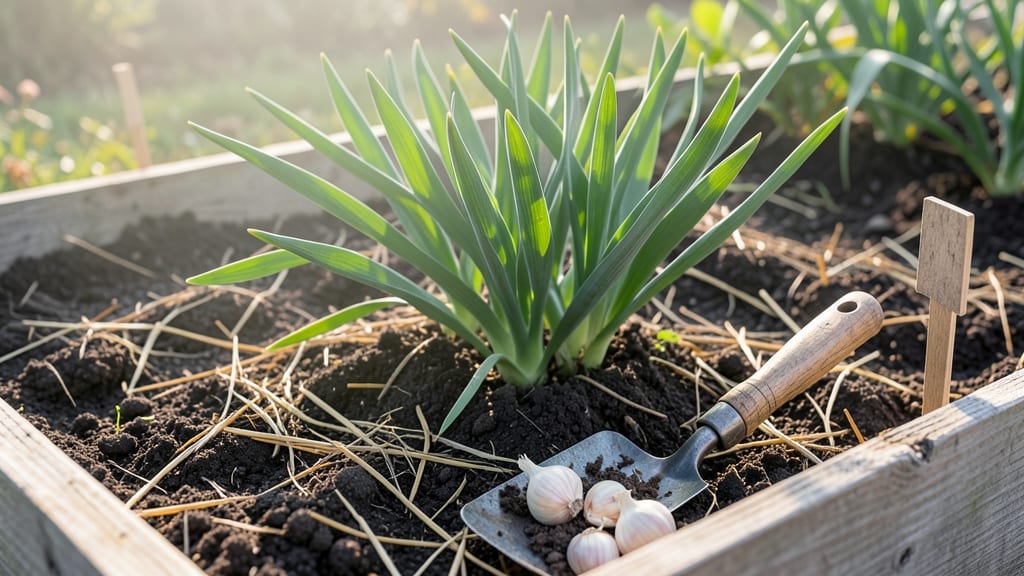
Timing is everything when it comes to growing 🧄 garlic in New Mexico—plant too early, and your cloves rot; too late, and frost zaps their potential. The best window for hardneck varieties like Rocambole is between October and November, when soil temps dip but haven’t frozen solid yet.
New Mexico’s 6a-8b zones add complexity—high desert areas like Albuquerque need garlic in the ground by early November, while lower elevations near Las Cruces can wait until December. The key? Planting 4-6 weeks before the first frost ensures roots establish before winter dormancy kicks in.
Why does this matter? Hardneck garlic thrives on cold exposure, and New Mexico’s short growing season demands precision. Skip the guesswork with soil prep tips, frost protection hacks, and variety recommendations tailored to your elevation—so you’re harvesting plump, flavorful bulbs by late June.
Let’s break down the exact steps to time your planting perfectly, from selecting cloves to mulching for winter survival. Your boldest garlic yet starts with the right timing—and we’ve got the New Mexico-specific guide to make it happen.
Optimal planting months for garlic in New Mexico’s climate zones
New Mexico’s diverse USDA zones (5-8) create unique challenges for garlic growers. Unlike coastal regions, our high-desert elevations (5,000–7,000 ft) demand precise timing to avoid frost damage or stunted growth.
The ideal planting window shifts from October in Zone 6 to November in Zone 8, with moon phases playing a surprising role in bulb development.
For hardneck varieties—the star performers in NM gardens—planting 4–6 weeks before the first hard frost ensures robust root establishment. In Albuquerque (Zone 7a), this typically means mid-October, while Las Cruces (Zone 8b) gardeners can push planting until early November.
The key is soil temperature, which should hover around 40–50°F at planting time.
🌱 Pro Tip: Use a soil thermometer to verify readiness—garlic cloves won’t sprout until temperatures stabilize below 60°F. In Santa Fe’s cooler microclimates (Zone 6a), aim for late September to avoid premature freezing.
| USDA Zone | Best Planting Window | Soil Temp Requirement | Moon Phase Tip |
|---|---|---|---|
| 6a (Santa Fe) | Late September–Mid-October | 40–50°F | Plant during waxing moon for stronger roots |
| 7a (Albuquerque) | Mid-October–Early November | 45–55°F | Avoid full moon—reduces bulb size |
| 8b (Las Cruces) | Early–Mid-November | 50–60°F | New moon planting extends harvest window |
While fall planting dominates NM garlic culture, a February early-spring option works for Zone 8 gardeners seeking summer harvests. Plant 2–3 inches deep, 4 inches apart, with 6 inches between rows to prevent crowding.
In higher elevations, add 2–3 inches of mulch (straw or leaves) to insulate bulbs during winter temperature swings.
🌡️ Critical Alert: Garlic needs 60–80 days of cold (below 40°F) to form bulbs. In Zone 6, this happens naturally; in Zone 8, you may need to chill cloves for 6 weeks before planting.
For container growing in urban NM gardens, use 5-gallon pots with well-draining soil and plant in October. Containers warm faster—monitor soil moisture closely during spring thaw to prevent rot. Hardneck varieties like German Red or Music thrive in containers, while softnecks struggle with NM’s short growing season.
🌿 Local Wisdom: Native Purple Stripe garlic adapts better to Albuquerque’s alkaline soils (pH 7.5–8.0), while Rocambole prefers Santa Fe’s neutral soils (pH 6.5–7.0). Always break apart bulbs and plant the largest cloves for bigger harvests.
Timing isn’t just about months—it’s about microclimates. A south-facing slope in Taos (Zone 6) may stay frost-free 2 weeks longer than a valley garden. Use frost cloth if late frosts threaten, but never cover plants during daytime—garlic needs sunlight to metabolize nutrients.
✅ Success
Optimal planting months for garlic in New Mexico’s climate zones
New Mexico’s diverse microclimates mean your garlic’s success hinges on elevation and frost dates. High desert areas like Albuquerque (Zone 7a) have earlier frosts (mid-October), while Santa Fe (Zone 6a) and Las Cruces (Zone 8a) offer extended windows.
The ideal planting window spans October through November, but exact timing shifts 100–200 feet per elevation gain.
For hardneck varieties (the best choice for NM), aim to plant 4–6 weeks before the ground freezes. In Zone 6a (Santa Fe), that’s late September to early October, while Zone 8a (Las Cruces) can wait until November.
Miss this window, and your garlic may not vernalize properly—a critical cold exposure period that triggers bulb formation.
| Zone/Elevation | First Frost | Planting Window | Key Tip |
|---|---|---|---|
| Zone 6a (Santa Fe, 7,000 ft) | Mid-October | Late September–Early October | Use extra mulch—Zone 6a’s cold snaps can damage young roots. |
| Zone 7a (Albuquerque, 5,400 ft) | Early November | October–Early November | Plant Rocambole—its hardiness shines in Zone 7a’s shorter winters. |
| Zone 8a (Las Cruces, 3,900 ft) | Mid-December | November–Early December | Consider early spring planting (February) for a summer harvest. |
Don’t overlook the moon’s phases—planting during the waning moon (after the full moon) encourages root development, while a waxing moon boosts foliage growth. For NM’s short season, October’s waning moon (around October 17–23) is ideal for hardneck varieties.
If you’re in Zone 6a or higher, prioritize early planting and heavy mulching (straw or leaves, 4–6 inches thick) to insulate bulbs from winter temperature swings.
In Zones 7b–8a, you can push planting to late November, but avoid December—soil may stay too warm, leading to rot.
Pro tip: Pre-sprout cloves 2–3 weeks before planting by placing them in a cool, dark spot (like a garage). This gives you a head start on growth when you finally get them in the ground—critical for NM’s short growing season.
Timing isn’t just about months—it’s about soil temperature. Use a soil thermometer; garlic thrives when soil is 40–50°F. In NM’s high desert, this often means planting by late October, even if air temps are still warm. 🌱