
Plants
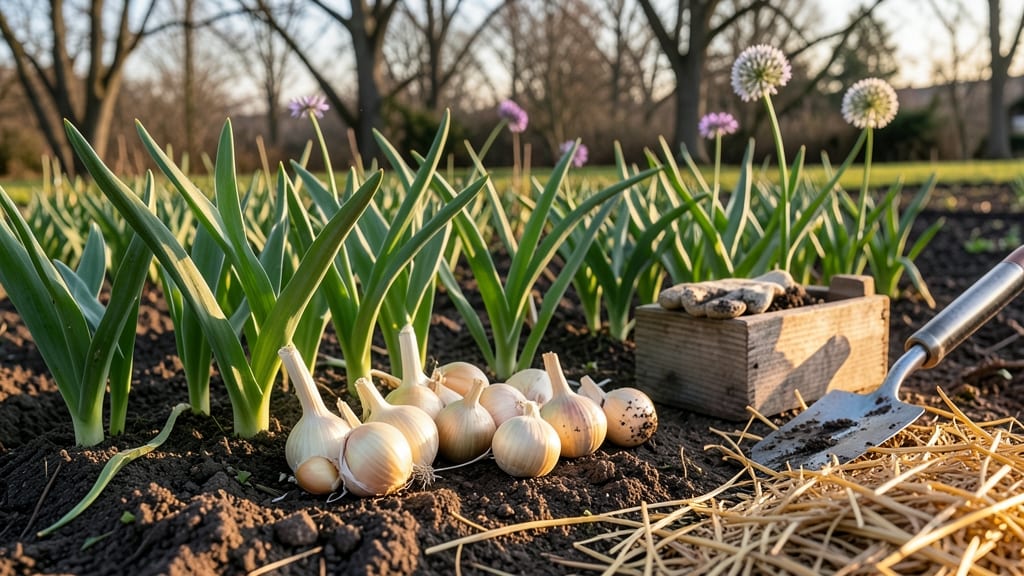
Planting garlic in Oregon at the wrong time could mean the difference between plump, flavorful bulbs and disappointing harvests. The best time to plant this hardy crop—especially for hardneck varieties—is in fall, but Oregon’s 8a-9a zones (like Portland or Medford) demand precision to avoid frost damage or stunted growth.
Why does timing matter so much? Garlic needs 4-6 weeks to establish roots before winter sets in, and Oregon’s unpredictable weather—from coastal chill to inland warmth—means your planting window can shift dramatically. Miss it, and you risk weak bulbs or even total failure.
In this guide, I’ll break down the exact months to plant in your specific region, how to adjust for Oregon’s microclimates, and which hardneck varieties thrive best. Whether you’re a seasoned gardener or just starting, these tips will help you grow garlic that rivals the best farm stands.
Ready to unlock the secrets to harvesting perfect garlic next summer? Let’s dive into the best planting strategies for your Oregon garden.
Oregon’s ideal garlic planting windows by region (with exact dates)
Oregon’s diverse climate means garlic planting dates vary dramatically—from the mild Willamette Valley to the harsher Eastern Oregon winters. Hardneck garlic thrives when planted 4-6 weeks before ground freezes, but Oregon’s microclimates shift those windows by weeks.
Let’s break it down by region so you plant at the perfect moment for your location.
For Portland and the Willamette Valley (Zone 8b), aim for mid-October to early November. The soil typically reaches 50°F—the ideal temperature for root establishment—around October 15. Coastal areas like Astoria (Zone 8a) can plant slightly later, late October to mid-November, thanks to milder winters.
Meanwhile, Eastern Oregon (Zone 7a), including Bend and La Grande, needs earlier action: late September to early October.
Here’s the critical comparison of planting windows across Oregon’s key regions, including soil temperature thresholds and frost risk—because planting too early or late can ruin your harvest.
Notice how Eastern Oregon plants 6 weeks earlier than the coast? That’s because soil stays warmer longer inland, but frost arrives sooner.
In Medford’s Zone 8a, you’ve got a wider window, but don’t wait past mid-November—garlic planted too late may not form bulbs before spring warmth triggers flowering instead.
Pro tip: Use a soil thermometer to confirm 50°F soil temps before planting. If temps drop below 40°F, garlic roots stop growing, and your bulbs will stay small. Mulch heavily with straw after planting to insulate roots and extend the growing season.
For coastal gardeners, pay attention to fog and damp conditions. Planting too early in Astoria or Cannon Beach risks rot from excess moisture. Wait until soil is cool but not soggy, and choose well-draining sites like raised beds or slopes.
If you’re in transition zones (e.g., Hood River Valley or Eugene’s urban heat islandsearlier side. Urban areas can be 5–10°F warmer than rural spots, delaying frost. Check local Almanac frost dates and adjust your planting by 1–2 weeks if your microclimate runs warmer.
One more critical factor: garlic needs cold vernalization—a period of 4–8 weeks below 40°F to form bulbs. In mild-winter zones like the coast, this might not happen naturally.
If your area rarely drops below 45°F, consider chilling cloves in the fridge for 6 weeks before planting or choose hardier varieties like ‘German White’.
Remember: Hardneck garlic (Oregon’s best choice) needs cold winters to produce scape shoots and plump bulbs. If you’re in Zone 9a (e.g., Grants Pass), you might need to plant earlier and use shade cloth to simulate cooler conditions.
How to adjust planting time for Oregon’s unpredictable weather patterns
Oregon’s mild winters and unpredictable frost patterns can throw off even the most experienced garlic growers. One year, you might enjoy early thaws in November, while the next brings late frosts into March—both scenarios demand flexibility in your planting strategy.
The key is to plant early enough for roots to establish before winter but avoid planting so late that cloves rot before dormancy sets in.
For Willamette Valley gardeners, aim to plant 4-6 weeks before the first hard frost (typically mid-October to early November). But if your area experiences early snowfall (like the Cascade foothills), shift planting to late September to give roots time to anchor before soil freezes.
Use a soil thermometer to check for 40°F soil temps—this is your ideal planting trigger.
⚠️ El Niño Warning
During El Niño years, Oregon’s winters can bring warmer, wetter conditions that delay frost. If your usual planting window passes without freezing temps, plant by December 1st or risk cloves sprouting too early. Use row covers or straw mulch to insulate soil and protect young shoots from unseasonable warmth.
If late frosts threaten your garlic in spring, choose later-maturing varieties like 'German White' or 'Chesnok Red', which tolerate cooler soils longer. For coastal Oregon (e.g., Astoria or Newport), where winters are milder, extend planting into early December—just ensure soil temps stay above 35°F to prevent rot.
Pro tip: Plant a small test batch in mid-October and another in early November. This split planting strategy hedges your bets against Oregon’s variable frost dates while giving you a staggered harvest. Monitor your garden’s microclimate—a sunny, sheltered spot may freeze 2-3 weeks later than a shady corner.
For Eastern Oregon (e.g., Bend or La Grande), where winters are colder, plant by mid-October to avoid early snow cover. Use black plastic mulch to warm soil and extend the growing season.
If you’re unsure about frost dates, check the Oregon State University Extension Service for localized frost forecasts—their data is updated annually and tailored to your USDA zone.
Remember: Garlic planted too late won’t form bulbs, but planted too early can lead to premature sprouting or rot. Balance is everything—aim for 6-8 weeks of root growth before winter dormancy kicks in.
With these adjustments, you’ll outsmart Oregon’s whimsical weather and still pull up plump, flavorful bulbs next summer. 🌱