
Plants
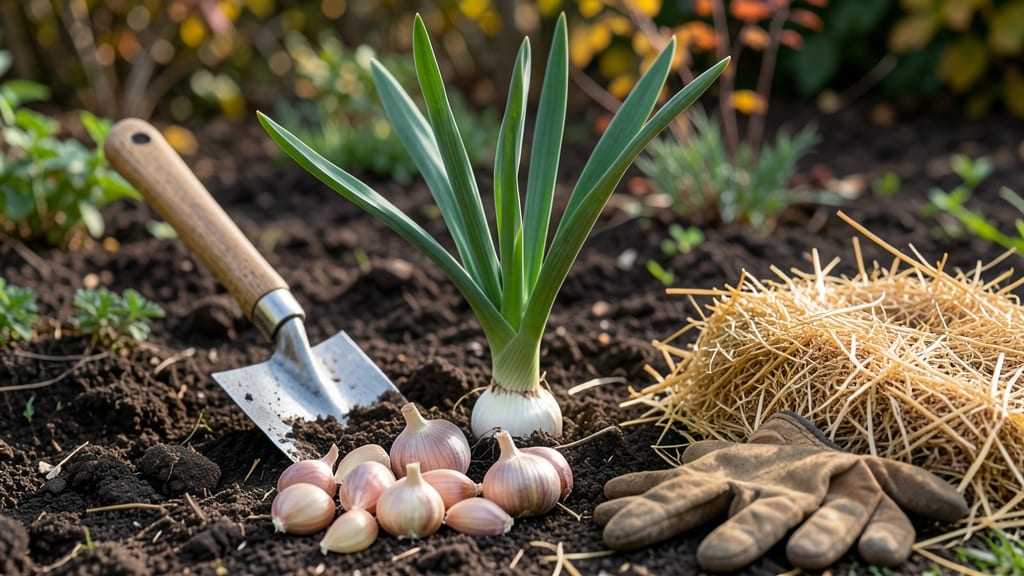
Timing your garlic planting in Portland, Oregon can mean the difference between a bumper crop of hardneck bulbs and a disappointing harvest.
With Zone 8a's mild winters and unpredictable rains, getting those cloves in the ground at just the right moment is key—too early and they’ll rot, too late and they won’t bulb properly.
Most Portland gardeners swear by planting 🧄 between October and November, when soil temps dip but before the first frost hits. This window gives garlic roots time to establish before winter dormancy, setting the stage for robust growth by next summer.
But with microclimates varying from urban heat pockets to cooler coastal areas, even a week can make a difference.
Hardneck varieties like ‘German White’ or ‘Chesnok Red’ thrive here, but success hinges on more than just dates—soil prep, planting depth, and even variety choice matter.
I’ll walk you through the exact steps to nail your timing, from soil tests to frost-date tracking, so you can grow garlic that’s as flavorful as it is hardy.
Ready to avoid common pitfalls and maximize your harvest? Let’s dive into the science-backed secrets that’ll have your garlic beds looking like a pro’s plot by next June.
Best planting window for hardneck garlic in Portland’s climate zones
Portland’s USDA Zone 8a/8b climate creates the perfect conditions for growing hardneck garlic, but timing is everything. The ideal planting window is between mid-October and early November, when soil temperatures drop below 60°F (15°C) but before the first hard frost hits—typically around November 1.
This timing ensures your garlic gets enough cold exposure to form strong bulbs without rotting in soggy winter soil.
Hardneck varieties like ‘German White’ and ‘Chesnok Red’ thrive in Portland’s winters because they need 40-60 days of cold temperatures below 40°F (4°C) to properly bulb. Planting too early in September can cause cloves to sprout and rot, while planting after mid-November risks shallow root growth and weak bulbs.
Aim for 4-6 weeks before the ground freezes for the best results.
Here’s how Portland’s climate factors play into your planting schedule:
| Climate Factor | Portland’s Condition | Ideal Planting Window |
|---|---|---|
| Soil Temperature | 50-60°F (10-15°C) | Mid-October to early November |
| First Frost Date | November 1 (avg.) | Plant by October 20 |
| Cold Requirement | 40-60 days below 40°F | October-November |
| Last Frost Date | February 15 (avg.) | Harvest before July |
If you miss the ideal window, you can still plant in late November or even December, but expect smaller bulbs. The key is ensuring your garlic gets enough cold before the ground freezes solid.
For example, if you plant in December, use mulch (straw or leaves) to protect cloves from freezing and thawing cycles, which can damage emerging roots.
Portland’s microclimates also play a role—urban areas like Hillsdale or Southeast Portland may stay slightly warmer than rural areas near the Willamette Valley. Monitor your local frost dates using resources like the Oregon State University Extension Service or the National Weather Service to fine-tune your schedule.
Pro tip: If you’re unsure about your exact frost date, use the “4-6 weeks before freezing” rule. For Portland, that translates to planting between October 15 and November 1. This window balances cold exposure with soil workability, giving your garlic the best start.
Hardneck garlic planted at the right time will send up scape stalks in spring (a sign of readiness) and produce large, flavorful bulbs by late June or July. Skipping this timing can lead to bolting (flowering) too early or poor bulb formation, so mark your calendar now!
For extra confidence, test your soil temperature with a soil thermometer—ideal planting temps are between 50-60°F (10-15°C). If your soil is still warm in late October, wait a few weeks before planting.
🌱
Best planting window for hardneck garlic in Portland’s climate zones
Portland’s USDA Zone 8a/8b climate creates a narrow but critical window for planting hardneck garlic—typically between mid-October and early November. This timing ensures cloves establish roots before winter dormancy while avoiding the risk of rot from wet soils or bolting from warm spells.
For example, varieties like ‘German White’ or ‘Chesnok Red’ thrive when planted 4-6 weeks before the first frost, which usually hits around November 1 in Portland.
Soil temperatures play a key role: aim for 50-60°F at planting depth (4-6 inches). In Portland, this typically aligns with late October, when daytime highs dip into the 50s°F and nights drop into the 40s°F.
If you plant too early (like in September), cloves may sprout prematurely and weaken before winter. Conversely, planting after early November risks shallow root growth, leading to smaller bulbs next summer.
| Stage | Action | Portland Timing |
|---|---|---|
| Soil Prep | Test pH (6.0-7.0), amend with compost | Late August - Early September |
| Planting Window | Plant cloves 4" deep, 6" apart | Mid-October - Early November |
| First Frost | Cover with mulch if frost occurs | Early November |
| Winter Dormancy | Minimal watering, monitor for rot | December - February |
| Harvest Ready | Lower leaves brown, bulbs firm | Late June - Early July |
Microclimates in Portland further refine this window. Urban areas like Hawthorne or Alberta Arts may stay slightly warmer, allowing a 2-week extension into early November. Meanwhile, coastal-influenced zones like Sauvie Island or West Linn might need planting by mid-October to avoid soggy soils.
Check your local first frost date using the Oregon State University Extension frost maps for precision.
Pro tip: Use hardneck varieties exclusively in Portland—they’re bred to survive cold winters and produce larger bulbs in short-day climates like Oregon’s. Softneck varieties, while milder, struggle to bulb properly in our cool, wet winters.
Popular Portland picks include ‘Music’ (purple-stripe) or ‘Silverskin’ for storage, but ‘German Red’ often yields the biggest bulbs locally.
If you miss the ideal window, don’t panic! You can plant as late as early December, though bulbs may be 20-30% smaller. The key is ensuring cloves have 6-8 weeks of root growth before winter sets in.
For example, if you plant on December 1, aim to harvest by mid-July—just don’t expect supermarket-sized results.
Remember: Portland’s rain is your ally after planting. The 10-12 inches of winter precipitation naturally waters your garlic, but mulch heavily (4-6 inches of straw) to prevent clove rot from prolonged wetness. This simple step can mean the difference between a bountiful harvest and a failed crop.