
Plants
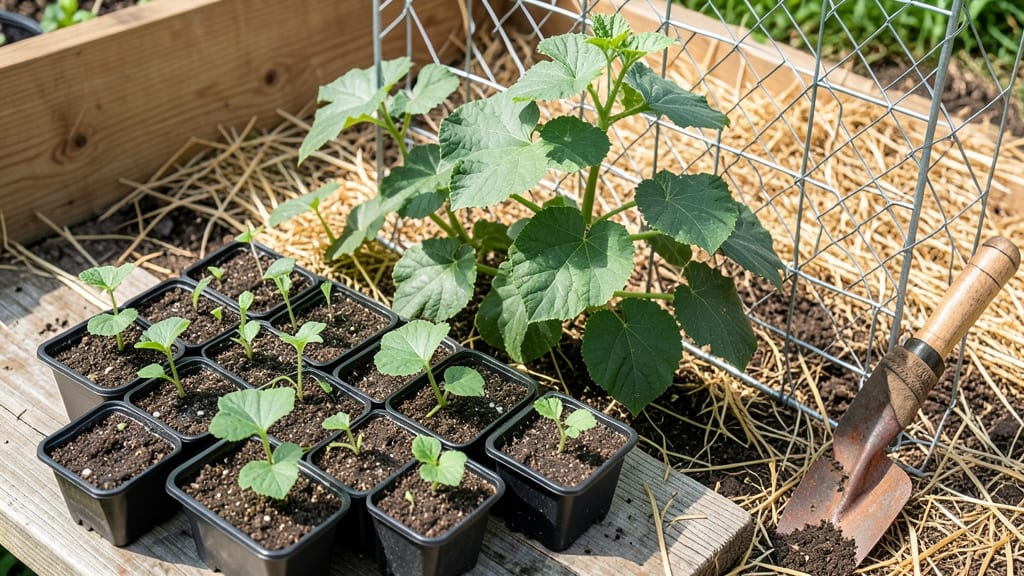
Timing your 🥒 cucumber planting in Portland, Oregon, could mean the difference between a thriving vine and a frost-nipped failure. With USDA Zone 8a's unpredictable shifts from chilly springs to sudden heatwaves, getting those seeds in the ground at the right moment is everything.
You don't need to be a weather expert to nail this—just a few key dates and local tricks. The ideal window runs from mid-April through mid-June, but Portland's microclimates (think urban heat islands vs. river valleys) can push that timeline by 2-3 weeks either way.
That means your neighbor's perfect harvest might not work for your backyard.
Whether you're direct-sowing seeds or starting indoors, I'll break down exactly when to plant for your specific corner of Portland. We'll cover soil temperature thresholds, how to read frost maps, and even which cucumber varieties handle Portland's quirks best.
Let's get your 🥒 cucumber garden off to the right start—no more guessing games about when those first vines should hit the dirt. Here's your no-fail planting strategy for Portland's unique growing conditions.
Portland’s ideal cucumber planting windows: frost dates & microclimates explained
Portland’s USDA Zone 8a/9a climate means cucumbers thrive when planted after the last frost date, typically between April 15–May 15. However, the city’s microclimates—created by urban heat islands, elevation changes, and the Willamette River—can shift your planting window by 2–3 weeks.
For example, areas like Southeast Portland (hills) often warm up faster, while Northwest neighborhoods (near water) stay cooler longer.
Cucumbers need soil temperatures of 60°F+ to germinate. Use a soil thermometer to confirm readiness, especially in cooler microclimates. If your soil is still chilly, opt for cold-hardy varieties like ‘Straight Eight’ or ‘Lemon’—they tolerate brief chills better than standard types.
For precise local data, check the NOAA frost maps or your neighborhood’s historical frost records.
Here’s how Portland’s microclimates affect your planting timeline:
To extend your growing season, consider using row covers or black plastic mulch to warm the soil. These methods can push your planting window 1–2 weeks earlier in cooler areas.
For example, if you’re in St. Johns and want to plant by May 1, lay down black plastic mulch in mid-April to accelerate soil warming.
Always monitor weather forecasts for late frosts, especially in elevated areas like the West Hills. A sudden cold snap can stunt young seedlings, so have row covers ready to protect tender plants. If frost is forecasted, cover seedlings with frost cloth or a lightweight blanket.
For container gardening, heat up pots faster by placing them on dark-colored trays or using heat mats. Containers in sunny patios (like those in Downtown Portland) can
Direct sow vs. start indoors: Portland-specific timing for cucumber success
Deciding whether to direct sow cucumber seeds or start indoors depends on your Portland microclimate. For most urban areas, direct sowing after May 1 works best, while cooler pockets like Northwest Portland may wait until June 1.
Starting seeds indoors gives you a 4–6 week head start but requires careful transplanting to avoid shock.
If you choose direct sowing, wait until soil temperatures hit 60°F+—use a soil thermometer to confirm. Plant seeds 1 inch deep, spacing them 12 inches apart for bush varieties or 24 inches apart for vining types. This method is simpler but risks slower establishment in chilly springs.
For indoor starts, sow seeds 4–6 weeks before your last frost date (typically late March to early April). Use biodegradable pots to reduce transplant shock. Harden off seedlings by exposing them to outdoor conditions gradually over 7–10 days before transplanting after May 15.
| Method | When to Start | Best For | Pros | Cons |
|---|---|---|---|---|
| Direct Sow | May 1–15 (warm areas) / June 1 (cool areas) | Urban heat islands, beginners | Simpler, no transplant shock | Slower growth in cool soil |
| Start Indoors | Late March–early April | Cooler microclimates, early harvests | Faster growth, longer season | Transplant shock risk, more effort |
Extend your Portland cucumber season with row covers or black plastic mulch. Row covers protect young plants from late frosts (like the occasional April chill) and can push harvests 2–3 weeks earlier. Black plastic mulch warms soil faster, ideal for North Portland’s cooler pockets.
For cold-hardy varieties, try ‘Straight Eight’ or ‘Lemon’ cucumbers, which tolerate brief chills. These thrive in Portland’s transitional zones and produce even if temperatures dip to 50°F for short periods. Pair them with trellises to save space in urban gardens.
Remember: Harvest frequency is key—pick cucumbers every 2–3 days to encourage more production. In Portland’s short growing season, this means you’ll likely enjoy fresh cucumbers from July through September if timed right.