
Companion Plants
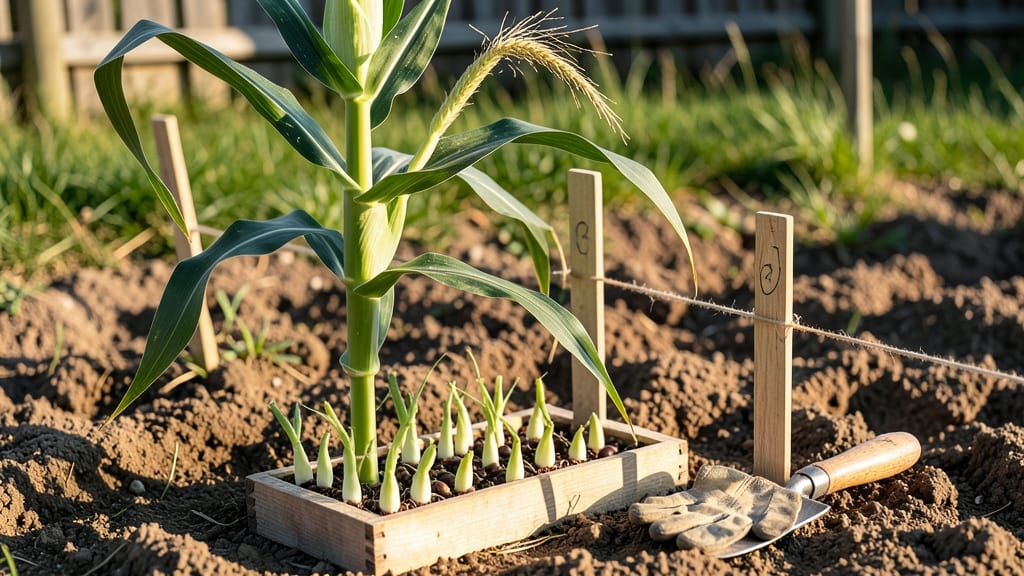
Timing your 🌽 corn planting in Pennsylvania right can make or break your harvest—especially when spring weather plays hide-and-seek with your schedule. Too early, and cold soil stalls germination; too late, and you’ll miss the sweet spot for a full-season crop.
The key? Waiting until soil temperatures hit 50-60°F and the last frost has passed, typically between mid-April and early June.
Pennsylvania’s diverse USDA zones 5b-7a mean your neighbors might be planting weeks before or after you. Southern PA gardeners can start as early as late April, while those in the cooler north should wait until late May.
The goal? Give your corn 90-120 days of growing time before the first frost—no shortcuts here.
Fast germination is everything, and the right timing ensures your seeds don’t sit in cold, damp soil for weeks. I’ll walk you through how to test soil temperature, pick the best varieties for your region, and avoid common mistakes like planting too deep or too early.
Let’s get your corn off to a speedy start this season.
Whether you’re a first-time gardener or a veteran grower, these insights will help you sync your planting with Pennsylvania’s unpredictable spring. No more guessing—just a reliable harvest from seed to table.
Optimal soil temperature for planting corn in Pennsylvania
Corn thrives when planted in warm soil, not just warm air. In Pennsylvania, the ideal soil temperature for planting corn is between 50°F and 60°F, with 60°F being the sweet spot for fast germination.
Cold soil slows down or even halts seed growth, so timing is everything. Most corn seeds won’t sprout reliably below 50°F, which is why Pennsylvania gardeners often wait until late spring.
Soil warms more slowly than air, especially in Pennsylvania’s USDA Zones 5b-7a. Southern PA (like Philadelphia) can reach 60°F soil temperatures as early as mid-April, while northern PA (like Erie) may need to wait until late May.
Always check soil temperature with a soil thermometer—it’s the only way to know for sure.
| Requirement | Specification |
|---|---|
| Soil Temperature | 50°F–60°F (ideal: 60°F) |
| Germination Time | 5–14 days (warmer = faster) |
| Last Frost Risk | After April 15 (varies by region) |
| Planting Depth | 1–1.5 inches deep |
If you plant corn too early in cold soil, seeds may rot in the ground or sprout unevenly.
I’ve seen gardeners rush planting in March, only to have their seeds fail to germinate until weeks later—by then, the growing season is already behind schedule. Wait for consistency: Check soil temperature for 3 consecutive days at 60°F before planting.
For faster germination, consider using black plastic mulch to warm the soil by 5–10°F. This is especially helpful in cooler regions like Pittsburgh or the Poconos, where soil lingers below 50°F longer. Just remove the mulch once plants emerge to avoid overheating.
Another trick? Plant early-maturing varieties like 'Early Sunglow' (60 days to harvest) if you’re worried about late frosts. These varieties tolerate cooler soils better than sweet corn like 'Silver Queen', which needs warmer conditions to thrive.
Always check the seed packet for days to maturity—this tells you how much time you have to get a harvest before frost.
Don’t forget: Corn is not frost-tolerant. Even young seedlings can be damaged by 32°F temperatures. If a late frost hits after planting, cover seedlings with row fabric or lightweight blankets until temperatures rise. I’ve lost entire rows of corn to unexpected frosts—plan ahead!
For accurate soil testing, invest in a $10 soil thermometer (available at garden centers). Stick it 2 inches deep—that’s where corn seeds are planted—and check readings in the morning (soil cools overnight).
If it’s below 50°F, hold off on planting. Patience here saves you from failed crops later.
Pro tip: If your soil is too wet or cold in spring, try container growing with heated seedling mats. This gives you control over soil warmth, especially useful in northern PA where springs are notoriously chilly. Just move pots outside once soil temperatures stabilize.
Finally, remember that corn is a heavy feeder. Planting too early in cold, nutrient-poor soil stresses seedlings. Amend your soil with compost or aged manure before planting to give your corn the phosphorus and nitrogen it craves for strong roots and rapid growth.
Best planting months for corn in PA by microclimate
Pennsylvania's diverse climate means your corn planting schedule should vary depending on whether you're in southern, central, or northern regions.
In southern PA, where springs arrive earlier, you can start as early as late April, while northern areas may need to wait until late May to avoid frost damage. The key is aligning planting with your last frost date and soil warmth.
For central PA, aim for early May planting when soil temperatures consistently reach 60°F. This window gives corn enough time to mature before fall frosts hit in mid-October.
Southern regions like Philadelphia or Lancaster can push planting to early April if soil is workable, but always verify with a soil thermometer.
| Region | Planting Window | Last Frost Date | Soil Temp Goal |
|---|---|---|---|
| Southern PA | Late April - Early May | April 10-15 | 55-60°F |
| Central PA | Early May - Mid-May | April 20-25 | 60°F+ |
| Northern PA | Late May - Early June | May 5-10 | 60-65°F |
If you're in northern PA, where last frosts often linger until early May, consider early-maturing varieties like 'Golden Bantam' (60 days) to ensure harvest before fall frosts. These varieties can tolerate slightly cooler soils and still produce plump kernels by late summer.
For all regions, avoid planting before May 1 unless you have a row cover ready to protect seedlings.
For late varieties like 'Silver Queen' (110 days), you can extend planting to early June in southern PA, but this risks drought stress during tasseling. Always prioritize soil temperature over calendar dates—corn won't germinate well below 50°F, even if the air is warm.
Use a soil thermometer to confirm readiness before planting.
Pro tip: In central PA, where last frosts vary widely, plant a test row in early May and monitor for frost damage. If seedlings survive, it's safe to plant your full garden.
If not, wait another week and use row covers for protection. This flexible approach adapts to PA's unpredictable spring weather.
Remember, corn thrives on warmth and consistency, so even if you plant at the optimal time, maintain consistent moisture and watch for pest pressure as temperatures rise. With the right timing, you'll enjoy homegrown corn from late July through October.