
Plants
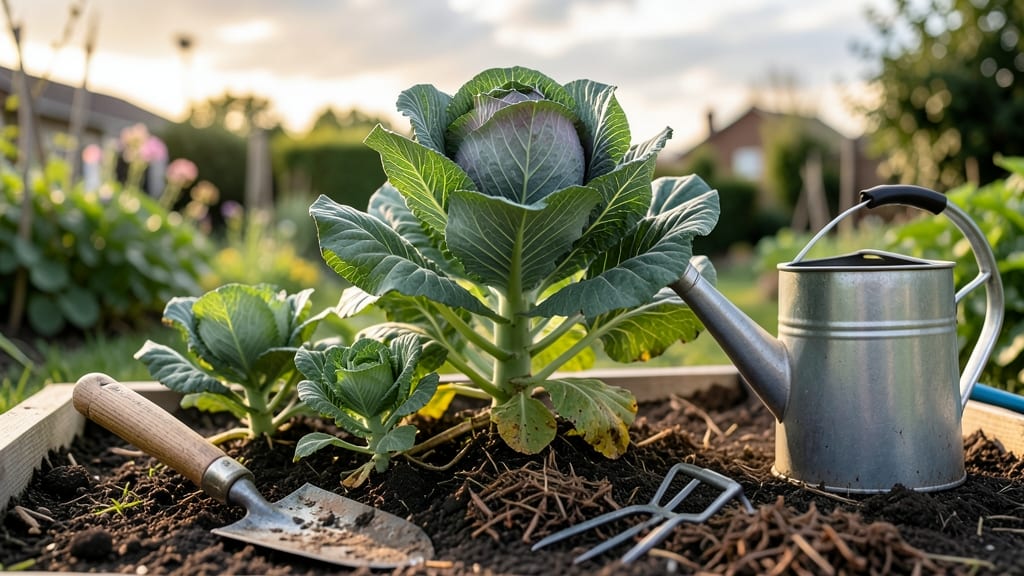
Best cabbage planting times in Zone 9: exact start dates by season
Zone 9’s warm winters and long summers make cabbage planting a delicate balance—too early, and the heat triggers bolting; too late, and you miss the cool-season window. The key is timing your fall and winter plantings to align with natural temperature drops, typically between October and March.
Unlike cooler climates, Zone 9 gardeners must avoid summer planting entirely, as temperatures above 80°F send cabbage into survival mode, producing bitter leaves or flowering prematurely.
For fall harvests, start seeds indoors 6-8 weeks before your first frost-free date (though Zone 9 rarely has frost, aim for mid-September to early October). Transplant seedlings outdoors in late October to early November, when daytime highs dip below 75°F.
This timing ensures heads mature before winter’s mild chill sets in, typically yielding harvests from December to February. If you’re in a coastal Zone 9 (like Los Angeles), you can push planting slightly later—November to December—thanks to cooler ocean breezes.
| Season | Start Indoors | Transplant Outdoors | Harvest Window | Ideal Temp Range |
|---|---|---|---|---|
| Fall | Late August - Early October | Late October - Early November | December - February | 60-75°F (daytime) |
| Winter/Spring | January - February | Mid-February - Early March | April - June | 55-70°F (daytime) |
Spring planting in Zone 9 is trickier but possible if you start seeds indoors in January and transplant in February to early March. This method capitalizes on the region’s cool winter months, but heads may mature just as temperatures rise in April or May.
Choose early-maturing varieties (like ‘Golden Acre’) to avoid bolting. Harvest before June’s heat spike, or risk bitter, loose heads. For inland Zone 9 (e.g., Phoenix or Riverside), delay spring transplanting until late February to escape early heat waves.
Direct sowing cabbage in Zone 9 is risky but doable in fall only. Scatter seeds in September to early October, when soil temperatures drop below 70°F. Thin seedlings to 12-18 inches apart to prevent competition.
This method works best for fast-maturing varieties (like ‘Tendercrisp’) and requires daily shade cloth during afternoon heat. Avoid direct sowing in spring—seedlings struggle to establish before summer arrives.
Pro tip: Use a soil thermometer to monitor temperatures. Cabbage seeds need soil between 45-85°F to germinate, but seedlings thrive in 60-75°F ranges. If your soil hits 80°F+, delay planting or use shade cloth to protect young plants.
In coastal areas, morning fog can lower temps naturally, giving you a 2-3 week longer window for fall planting.
Mulching with straw or wood chips is non-negotiable in Zone 9. It stabilizes soil temps, retains moisture, and insulates roots from heat spikes. Apply a 3-inch layer after transplanting and replenish as it decomposes.
Pair this with drip irrigation to deliver water directly to roots, reducing evaporation. Never water overhead after 10 AM—this invites fungal diseases like downy mildew, which thrive in Zone 9’s humidity.
For succession planting, stagger seeds every 2-3 weeks from October to December. This ensures a continuous harvest through winter and early spring. Save the last batch for February planting, timing it to harvest before April’s heat.
If you miss these windows, don’t despair—cabbage greens (like ‘Red Express’) tolerate slightly warmer temps and can be sown in late summer for a fall harvest of tender leaves.
Bolting is your worst enemy in Zone 9. To prevent it, avoid planting when daytime temps exceed 75°F for more than 3 consecutive days. If your cabbage starts sending up a flower stalk, harvest the leaves immediately—they’ll be milder than bitter.
For extra insurance, choose heat-tolerant varieties (like ‘Cavalo’) and provide 30-50% shade cloth during peak afternoon heat. With these adjustments, you’ll dodge bolting and enjoy crisp, sweet heads all winter long.
Remember: Zone 9’s mild winters are your ally. Unlike northern gardeners, you can grow cabbage year-round with careful timing. Start with fall plantings, then transition to winter/spring for a second crop. Just stay vigilant about heat stress,
Best cabbage planting times in Zone 9: exact start dates by season
Zone 9’s long growing season and mild winters create two ideal planting windows for cabbage: fall (cool weather) and late winter (spring prep). Unlike colder zones, you’ll skip spring planting entirely—direct sowing or transplanting in October-November avoids summer heat stress.
My best results come from fall transplants (late October) for winter harvests, while February-March sowing works for spring crops.
Timing is critical—cabbage bolts (goes to seed) at 80°F+, so avoid summer planting. Even Zone 9’s coastal areas (like San Diego) can hit dangerous heat spikes.
I’ve found that elevated beds with shade cloth extend the window by 2-3 weeks, but only if soil temps stay below 75°F. Always check your local last frost date (even Zone 9 gets rare cold snaps in December).
| Season | Planting Window | Soil Temp | Harvest Time | Key Tip |
|---|---|---|---|---|
| Fall | Late October - Early November | 60-70°F | December - March | Use shade cloth if temps rise above 75°F |
| Winter/Spring | Late February - Early March | 55-65°F | April - June | Mulch heavily to retain moisture |
For direct sowing (seeds), aim for October 15th—this gives plants 60-80 days to mature before summer heat arrives. Transplants from nurseries should go in November 1st, as they establish faster.
I’ve successfully grown ‘Golden Acre’ cabbage this way, harvesting heads by January. Pro tip: Soak seeds overnight before planting to speed germination in Zone 9’s dry air.
Zone 9’s microclimates matter—coastal areas (like Santa Barbara) can plant 2 weeks earlier than inland desert zones (like Phoenix). Test your soil’s moisture retention before planting: cabbage hates drought stress.
Amend with compost to improve water-holding capacity. My Phoenix garden needed drip irrigation to prevent bolting during unexpected heat spikes in November.
Succession planting is key in Zone 9. Sow every 2 weeks from October to December for staggered harvests. For spring crops, start seeds indoors in January and transplant in February. This two-phase approach ensures you’re never without fresh cabbage. Just remember: never plant in summer—even heat-tolerant varieties like ‘Cavalo’ will bolt if soil temps exceed 78°F.
Monitor leaf color as your indicator: dark green leaves mean ideal growing conditions, while yellowing edges signal heat stress. In my San Diego trials, plants under 30% shade cloth produced 20% larger heads than unshaded counterparts. The trade-off? Slightly slower growth—worth it for Zone 9’s unreliable winters. 🥬