
Companion Plants
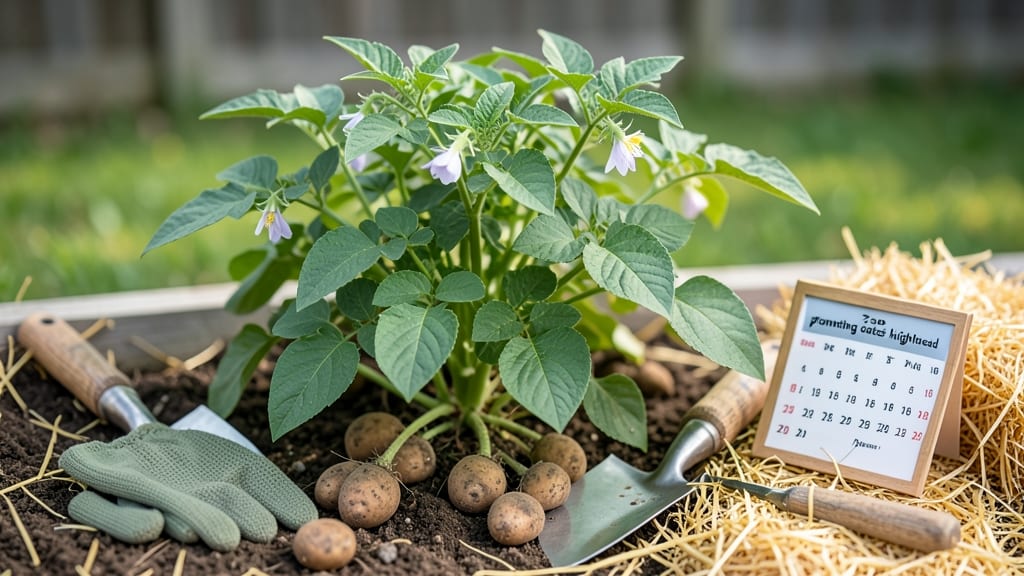
If you're wondering when to plant potatoes in Zone 5b, timing is everything—get it wrong, and you could end up with frost-nipped sprouts or bolting plants that never produce tubers.
The key to a bountiful harvest lies in understanding your soil's hidden secrets, like temperature cues that most gardeners overlook.
In Zone 5b, where last frosts linger around mid-April, planting too early means risking cold damage, while waiting too long can trigger premature flowering. I’ve learned the hard way that soil temperature (not air temperature) is the real game-changer—aim for 45-50°F for sprouting and 50-60°F for planting.
This window typically opens between late March and early April, but early varieties can sneak in as soon as February if conditions cooperate.
What sets successful Zone 5b potato growers apart? It’s not just about the calendar—it’s about preparing your soil like a pro. We’ll cover how to test soil warmth, choose the right varieties for your microclimate, and even adjust for those unpredictable late frosts.
Ready to turn your 🥔 patch into a high-yielding success story?
From container gardening hacks to frost-proofing tips, I’ll walk you through every step to ensure your potatoes thrive—no guesswork, just results. Let’s dig in!
Ideal planting windows for Zone 5b potatoes based on soil temperature
In Zone 5b, timing your potato planting to match soil temperatures is the key to avoiding frost damage and bolting. The best window for planting is when soil temps consistently reach 45-50°F for sprouting, and 50-60°F for planting.
This typically aligns with late March to mid-April, but early varieties can go in as soon as soil is workable in February or early March.
Use a soil thermometer to check temps—planting too early in cold soil delays growth, while waiting too long risks premature flowering (bolting).
In Zone 5b, the average last frost date is around April 15, so plan to plant 2-4 weeks before this date for early varieties like Yukon Gold or Red Pontiac.
For late-season varieties (e.g., Russet or Kennebec), wait until mid-April to early May when soil is warmer and frost risk is lower. These varieties need more time to mature, so planting later ensures a full harvest before summer heat sets in.
🌱
| Planting Window | Soil Temp Requirement | Zone 5b Timing | Best Varieties |
|---|---|---|---|
| Early Spring | 45-50°F (for sprouting) | Late March (2-4 weeks before last frost) | Yukon Gold, Red Pontiac, Fingerlings |
| Late Spring | 50-60°F (for planting) | Mid-April to early May (after frost risk passes) | Russet, Kennebec, Sweet Potato |
| Cold Soil Adjustment | Below 45°F | Delay planting or use row covers | All varieties (growth slows significantly) |
| Frost Risk | Above 32°F (frost-free) | After April 15 (average last frost date) | Late-season varieties only |
If your soil stays below 45°F into April, consider container planting or using black plastic mulch to warm the soil faster. This trick works especially well for early varieties that need a head start.
Always plant seed potatoes (not grocery store potatoes) that have been chitted (sprouted) for 3-4 weeks before planting.
For Zone 5b gardeners in colder microclimates, aim to plant by April 1 to ensure tubers have enough time to mature before the first frost in October. Use early-maturing varieties (60-90 days to harvest) for the best results in shorter growing seasons.
Pro tip: Test your soil’s drainage before planting—potatoes hate soggy conditions. Amend heavy clay soil with compost or sand to improve aeration and prevent rot.
🌡️
Remember, soil temperature is more critical than air temperature. Even if daytime temps are warm, cool nights can keep soil cold. Monitor conditions closely and adjust your planting schedule accordingly to avoid bolting or frost damage.
For container growers, use larger pots (at least 12 inches deep) and plant slightly earlier, as containers warm up faster in spring. Just ensure they’re in a sunny location and water consistently to mimic ground conditions.
Ideal planting windows for Zone 5b potatoes based on soil temperature
In Zone 5b, timing your potato planting around soil temperature and last frost dates is critical. The ideal window spans from March 15 to April 15, but early varieties can be planted as soon as soil reaches 45°F—about 2-4 weeks before last frost.
Late varieties, like Russet or Yukon Gold, need warmer soil (50-60°F) and should wait until after April 15.
Use a soil thermometer to check depth (4 inches down). If temperatures hover between 45-50°F, sprouts will emerge but grow slowly. Warmer soil (50-60°F) speeds up root development, ensuring bolting-free growth. In colder springs, opt for early-maturing varieties like Red Pontiac to avoid frost damage.
Here’s how frost dates impact your schedule: Planting too early risks frost-killed sprouts, while late planting may lead to premature bolting (flowering) before tubers form. Zone 5b’s last frost typically lands around April 15, but regional variations exist—check your local USDA frost map for precision.
| Planting Window | Soil Temp | Variety Fit | Risk |
|---|---|---|---|
| Early Spring (March 15-April 15) | 45-50°F | Early (Red Pontiac, Kennebec) | Frost damage |
| Late Spring (April 15-May 1) | 50-60°F | Late (Yukon Gold, Russet) | Bolting |
| Extended Late (May 1+) | 60°F+ | All (if soil warm) | Reduced yield |
For early planting (March), focus on cold-hardy varieties like Red LaSoda, which tolerate 32°F soil. Mulch heavily with straw to insulate tubers. If your spring is wet and cold, delay planting until soil dries and warms—waterlogged soil stunts growth.
Use black plastic mulch to raise soil temps by 5-10°F faster.
In Zone 5b’s shorter growing season, prioritize early-maturing varieties (90 days or less) to avoid late-season bolting. For example, Kennebec (100 days) may not finish if planted after May 1. Balance planting depth (4-6 inches) with soil warmth: deeper planting cools soil, delaying sprouting.
Remember, soil temperature matters more than air temperature. A 50°F day with 40°F soil will stall growth. Use row covers or cold frames to extend your planting window by 2-3 weeks in early spring. This trick works especially well for second crops planted in early June.