
Flowers
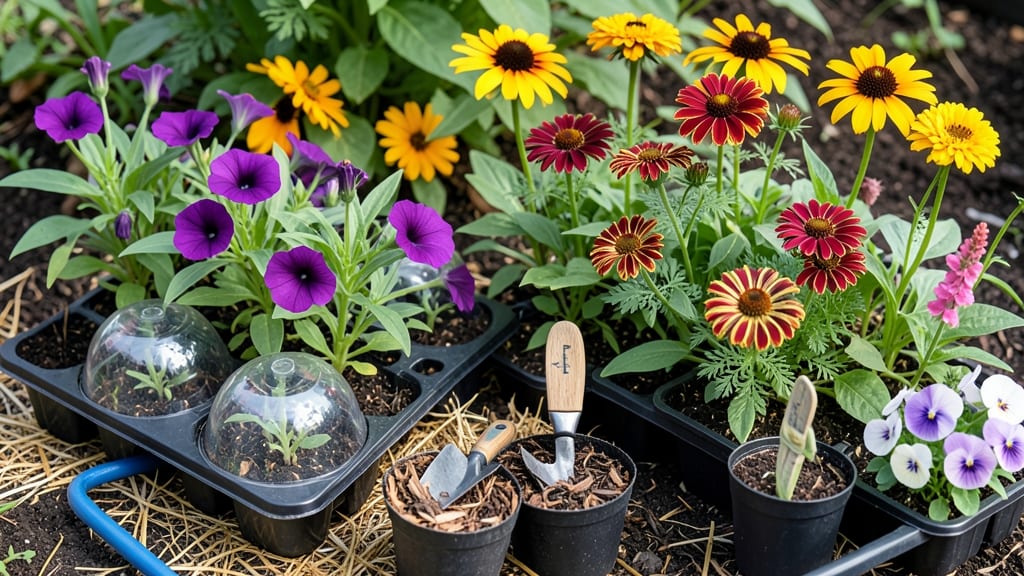
Timing your flower planting in Michigan can feel like playing a high-stakes game of chance—get it wrong, and frost will turn your dreams of vibrant blooms into a sad, icy memory.
The right window for planting 🌸 depends on more than just the calendar; soil temperature and regional frost dates play starring roles in your garden's success.
Most Michigan gardeners in zones 5b-6b can start planting annuals and perennials after the last frost, typically around mid-April, but don't be fooled—soil needs to warm up to at least 50°F before you dig in.
Fall planting offers another chance, with early September being ideal for cool-season varieties that'll reward you with spring blooms.
Whether you're dreaming of summer sunflowers or autumn chrysanthemums, understanding these timing cues is the key to a thriving garden. I'll walk you through the exact planting windows, soil prep secrets, and frost-proofing tips that'll have your flowers blooming like clockwork—no guesswork required.
Ready to transform your Michigan yard into a year-round floral paradise? Let's dive into the science behind perfect planting times so you can enjoy those first fresh-cut bouquets without the frost-related heartbreak.
Michigan flower planting dates by last frost & soil temperature
Michigan’s flower planting season depends heavily on your USDA zone (4-6) and last frost dates, which vary dramatically between the Upper Peninsula and Lower Peninsula.
In most areas, the average last frost occurs between April 15 and May 15, but colder regions like Marquette can see frost until mid-May. For soil temperature, wait until it reaches at least 50°F—this ensures roots establish safely before summer heat arrives.
Annual flowers like marigolds and zinnias can handle cooler soils, but tender perennials (e.g., lavender) need warmer conditions. Michigan’s first frost typically arrives in mid-October, giving you a 150-180-day growing season for most flowers.
Plan accordingly by choosing early bloomers (e.g., pansies) for spring and late-season varieties (e.g., chrysanthemums) for fall.
Here’s a quick reference for Michigan’s planting windows by flower type and region, including soil temperature thresholds and frost-free dates:
| Flower Type | Planting Window | Soil Temp (°F) | Last Frost Risk | Notes |
|---|---|---|---|---|
| Annuals (e.g., Petunias, Zinnias) | Mid-May to early June | 50-60°F | Low after May 15 | Start indoors 6-8 weeks before last frost. |
| Perennials (e.g., Coneflowers, Black-Eyed Susans) | Early May to early June | 55-65°F | Moderate | Divide established clumps in spring or fall. |
| Bulbs (e.g., Tulips, Daffodils) | Fall (Sept-Oct) or early spring | 40-50°F (fall) or 50°F (spring) | None (fall) or low (spring) | Plant bulbs 6-8 inches deep for winter hardiness. |
| Cold-Hardy Annuals (e.g., Pansies, Snapdragons) | Early April to mid-May | 40-50°F | High (use row covers) | Direct-sow seeds or transplant young plants. |
| Fall Planting (e.g., Chrysanthemums, Asters) | Late August to early September | 55-65°F | None (plant 4-6 weeks before frost) | Extend season with mulch to protect roots. |
For northern Michigan (e.g., Traverse City, Marquette), delay planting until late May to avoid late frosts. In southern Michigan (e.g., Detroit, Grand Rapids), you can start as early as mid-April for cold-hardy varieties.
Always check your local Michigan State University Extension frost date maps for real-time updates—these can shift 1-2 weeks based on weather patterns.
Pro tip: Use a soil thermometer to monitor temperatures. If your soil is below 50°F, wait a week or use black plastic mulch to warm it faster. This is especially critical for tender annuals like geraniums, which wilt in cold soil.
Container gardening offers flexibility—plant potted flowers as soon as your nighttime temps stay above 50°F, even if the ground is still chilly. This lets you enjoy early blooms like pansies or violas without frost risk.
Just ensure containers have drainage holes to prevent root rot in Michigan’s humid springs.
If you’re in
How to adjust planting timing for Michigan’s unpredictable weather
Michigan’s late spring frosts can strike even after Memorial Day, so flexibility is key. I’ve learned to use row covers and cold frames to protect tender seedlings like petunias and geraniums until the soil warms to 50°F.
These tools buy you 2-3 extra weeks of planting time in cooler regions like Traverse City or Marquette.
For early spring plantings, focus on cold-hardy annuals like pansies or snapdragons, which tolerate light frosts down to 25°F. I start these in late April under protection, knowing they’ll bounce back from 28°F dips. This strategy extends your bloom season by 4-6 weeks.
🌱
In northern Michigan, where first frost can arrive as early as September 15, I prioritize fast-growing annuals like marigolds or sunflowers for late summer plantings. These varieties mature in 60-70 days, ensuring blooms before frost.
For perennials, I wait until mid-May to give roots time to establish before summer heat sets in.
For container gardening, timing shifts entirely. Potted flowers like geraniums or begonias can be planted 2 weeks earlier than in-ground varieties because containers warm up 5-10°F faster. I place them on patio heaters or south-facing decks to create microclimates that mimic warmer zones.
🌿
Pro tip: Keep a gardening journal to track your local frost dates and soil temps. Over 3 years, I’ve adjusted my planting windows by 10 days earlier in Detroit and 14 days later in Sault Ste.
Marie based on my records. This small shift prevents frost damage while maximizing bloom time.