
Flowers
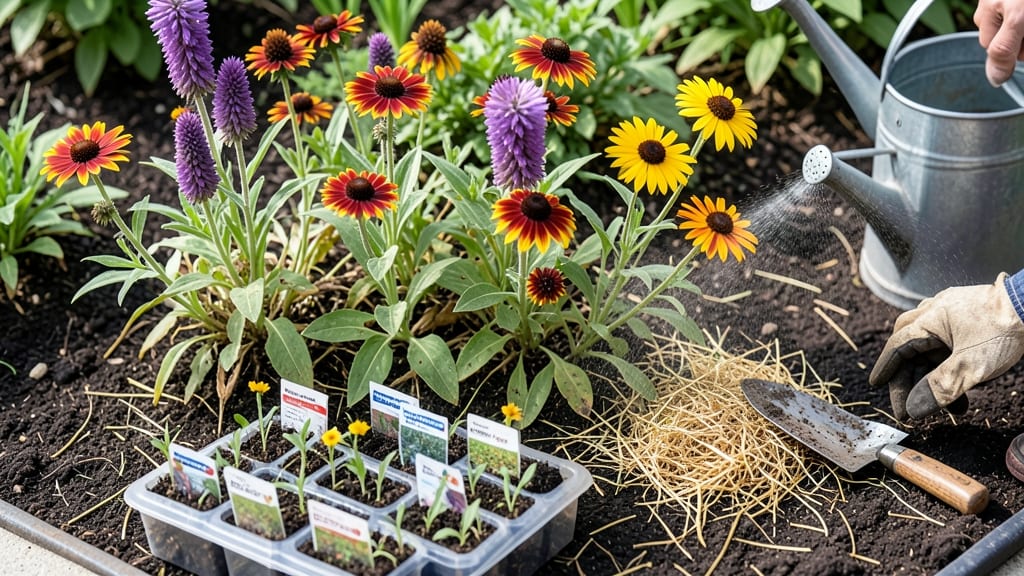
Timing your flower planting in Colorado isn’t just about the calendar—it’s about surviving the state’s dramatic shifts from subzero nights to 90-degree days in a single week.
Whether you’re in Denver’s urban heat islands or the cooler mountain valleys, getting it wrong means frost-killed blooms or flowers that arrive too late to shine. The key? Understanding your elevation’s last frost dates and microclimate quirks to plant with confidence.
Most Colorado gardeners know spring is the prime window, but the exact moment varies wildly. In USDA Zones 4–7, last frosts can stretch from mid-April in lower elevations to early June at higher altitudes.
Perennials like coneflowers can handle early starts, while delicate annuals like petunias need to wait until soil warms—usually after Memorial Day in many regions. The trick is balancing patience with the short growing season.
Don’t overlook fall planting, either. Hardy annuals like snapdragons and cool-season perennials thrive when seeded in late summer for earlier spring blooms. Colorado State University Extension recommends adjusting for your specific zone, with mountain gardens often getting a 2–4 week head start compared to Front Range cities.
Let’s break down the exact deadlines and flower choices that work best for your elevation.
Ready to transform your yard into a year-round flower powerhouse? I’ll walk you through the science-backed deadlines, microclimate hacks, and the top cold-resistant blooms that thrive in Colorado’s unpredictable climate. No more guessing—just vibrant gardens that defy the elements.
Colorado flower planting deadlines by elevation zone (with frost charts)
Colorado’s three distinct elevation zones—3,000–5,000 ft (Front Range), 5,000–7,000 ft (mountain foothills), and 7,000+ ft (high alpine)—dictate wildly different planting windows. Forget one zone’s timeline, and your annuals might bolt before blooming or perennials freeze before establishing roots.
Let’s break down the critical deadlines by elevation, using last frost dates and USDA hardiness zones as your gardening compass.
For low-elevation gardens (3,000–5,000 ft), like Denver or Colorado Springs, the average last frost date falls between mid-April and early May.
This zone aligns roughly with USDA Zones 5b–7a, meaning you can safely plant tender annuals like petunias and marigolds 2–3 weeks after your local frost date. Perennials and bulbs, however, often thrive when planted in early spring (March) or fall (September–October) to avoid summer stress.
At mid-elevation (5,000–7,000 ft), such as Boulder or Fort Collins, frost lingers longer. Expect your last frost date to arrive late May to early June, pushing you into USDA Zones 4b–6a.
Here, cold-hardy flowers like coneflowers and black-eyed Susans can handle direct planting in April, while heat-loving annuals (e.g., geraniums) wait until after Memorial Day. Fall planting extends until mid-September to give roots time to establish before winter.
For high-elevation gardens (7,000+ ft), such as Aspen or Leadville, the growing season shrinks dramatically. Your last frost date may not arrive until late June, and first frosts can strike as early as mid-August.
Stick to extremely cold-resistant perennials like yarrow or lupines, and plant annuals in containers for flexibility. Fall planting is risky—opt for early September at the latest.
Pro tip: Use the Colorado State University Extension’s frost calendar for your specific county. For example, Grand Junction’s last frost often arrives 2–3 weeks earlier than Denver’s due to its desert climate.
Meanwhile, mountain valleys can experience inversion layers, trapping cold air and delaying spring planting by 10+ days. Always check soil temperature—aim for 40°F+ for most flowers.
For bulbs like tulips or daffodils, plant them in fall (October–November) regardless of elevation—they need cold stratification to bloom. Perennials like lavender or Russian sage can handle
How to adjust planting timing for Colorado’s microclimates (sun exposure, wind, soil)
Colorado’s microclimates can shift flower planting deadlines by weeks—sometimes even within the same neighborhood. A sunny Denver courtyard might warm up faster than a wind-swept Boulder slope, while mountain gardens near Aspen or Telluride face delayed springs due to lingering snowpack.
The key is adapting your approach to your specific conditions: urban heat islands, high-altitude chill, or windy plains that dry out soil overnight.
Start by identifying your garden’s unique challenges. If you’re in Colorado Springs or Fort Collins, afternoon sun can bake soil early, while Grand Junction gardens may experience sudden cold snaps from desert winds.
Mountain gardeners often plant 2–4 weeks earlier than Front Range residents because their shorter growing seasons demand faster starts. Always check soil temperature—aim for 40°F (4°C) for cool-season flowers and 60°F (15°C) for heat-lovers like marigolds.
For urban heat islands, like those in Denver or Aurora, consider starting tender annuals indoors by late February. These areas can be 5–10°F warmer than rural zones, allowing earlier planting of petunias or geraniums.
Use shade cloth for delicate seedlings if daytime temps exceed 80°F (27°C). In contrast, windy plains near Greeley or Windsor need windbreaks—try corn stalks, bamboo fencing, or even evergreen shrubs to protect young plants.
🌱 Soil prep is non-negotiable. Colorado’s alkaline soils often need compost or peat moss to improve drainage and fertility. Test your soil’s pH—most flowers thrive in 6.0–7.0. For high-altitude gardens above 7,000 ft, amend soil with organic matter to retain moisture, as thin air accelerates evaporation.
Mulch heavily (3–4 inches) with straw or wood chips to insulate roots and suppress weeds, which compete for nutrients in Colorado’s nutrient-poor soils.
- Urban Heat Islands: Plant heat-tolerant lantana or zinnia; use drip irrigation to avoid evening watering (prevents fungal diseases).
- Windy Plains: Choose wind-resistant flowers like black-eyed Susans or Russian sage; stake tall varieties early.
- Mountain Gardens: Start cold-hardy perennials (e.g., columbine, penstemon) indoors in January for earlier blooms.
- Shaded Slopes: Opt for partial-shade lovers like impatiens or foxglove; avoid watering leaves to prevent mildew.
- Alkaline Soils: Mix in sulfur or pine needles to lower pH for blueberries or hydrangeas.
Container gardening is a game-changer for Colorado’s unpredictable zones. Pots warm up faster in spring and can be moved to sheltered spots during late frosts. Use self-watering containers for succulents or lavender, which hate soggy roots.
For high-altitude balconies, choose dwarf varieties like mini petunias or bacopa—they bloom prolifically in Colorado’s intense sunlight without overheating.
Don’t forget fall planting! Many Colorado gardeners overlook this strategy, but seeding cool-season annuals like pansies or snapdragons in late August ensures spring blooms before summer’s heat sets in. Perennials like astilbe or coral bells also benefit from early fall transplanting, as their roots establish before winter dormancy.
Time it right, and you’ll beat the June heat with continuous color.
Pro tip: Bookmark the Colorado State University Extension’s frost maps and monitor local CoCoRaHS weather stations for real-time updates. These tools adjust your planting timeline based on hyperlocal data, not just USDA zone averages.
With these microclimate tweaks, your Colorado garden will thrive—no matter where you live in this diverse state.