
Companion Plants
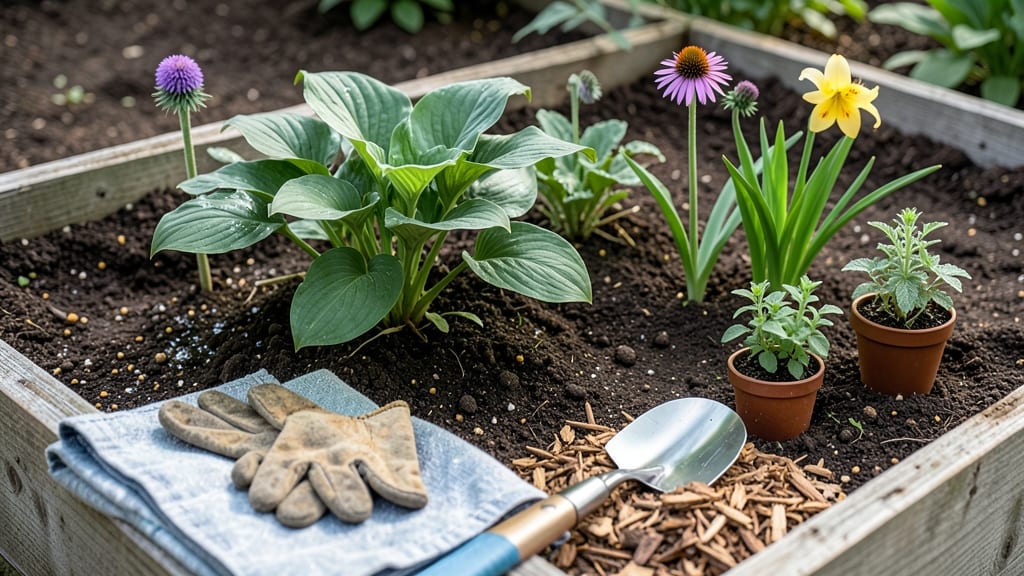
Timing your perennials planting in Zone 5 could mean the difference between thriving 🌱 gardens and wasted effort. Unlike annuals, these hardy plants need just the right moment to establish roots before winter’s chill sets in.
Most gardeners in Zone 5 know spring and fall are the prime windows—but did you know planting too early or too late can stress your perennials? I’ll break down the exact weeks before frost when soil temperatures and daylight align perfectly for success.
Whether you’re planting herbaceous perennials like coneflowers or woody shrubs such as hydrangeas, the rules change slightly. We’ll cover how to prep your soil, choose the right varieties, and avoid common mistakes that kill perennials before winter.
Ready to transform your garden into a low-maintenance oasis? Let’s dive into the science-backed timing that’ll have your perennials blooming stronger for years—without the guesswork.
Zone 5 perennial planting calendar: exact weeks before frost for each season
Planting perennials in Zone 5 requires precision—your goal is to give roots 4-6 weeks before the first frost to establish firmly. In Zone 5, that means aiming for early spring (March-April) or early fall (September-October), when soil temperatures hover between 50-65°F.
Summer planting is risky unless you’re dealing with heat-tolerant varieties like black-eyed Susans.
The last frost date in Zone 5 typically falls around mid-May, while the first frost arrives in mid-October. Use these dates as your anchors: plant 6 weeks before frost in fall or after frost danger passes in spring.
For example, September 1st is ideal for fall planting, while April 15th works for spring.
Soil temperature is your best guide—wait until it reaches 50°F in spring or cools to 60°F in fall. A soil thermometer is worth the investment. Woody perennials like shrubs can handle cooler soil, while herbaceous types (e.g., hostas) need warmer conditions to thrive.
Here’s the breakdown of your Zone 5 planting windows, tailored to perennial types and seasonal conditions:
| Season | Planting Window | Soil Temp | Perennial Types | Key Notes |
|---|---|---|---|---|
| Early Spring | March 15 – April 30 | 50–65°F | Bulbs, herbaceous perennials | Plant after last frost; mulch after emergence. |
| Late Summer | June 15 – July 31 | 60–75°F | Heat-tolerant perennials | Water deeply; avoid transplant shock. |
| Early Fall | September 1 – October 15 | 50–60°F | Woody perennials, shrubs | 6 weeks before first frost; mulch heavily. |
Fall planting is often underutilized but ideal for Zone 5—cooler temps mean less transplant shock, and roots establish before winter dormancy. Woody perennials, like butterfly bushes or spirea, thrive when planted in September.
For herbaceous types (e.g., cone flowers), aim for early spring to avoid summer wilting.
If you’re planting in late summer, focus on drought-tolerant perennials like sedum or Russian sage. These varieties handle heat stress better than moisture-loving hostas or astilbes. Always water deeply before planting to reduce shock, and avoid working the soil if it’s bone-dry.
Microclimates in Zone 5 can shift planting windows by 2-3 weeks. A south-facing slope warms faster in spring, while a north-facing garden stays cooler. Test your soil’s warmth with a soil thermometer—if it’s below 50°F, wait. Container-grown perennials can be planted 1-2 weeks earlier than bare-root varieties, as their roots are already established.
Pro tip: Mulch immediately after planting—2-3 inches of straw or shredded leaves retains moisture and regulates soil temperature. In Zone 5, mulch also insulates roots during winter, preventing freeze-thaw damage. For spring planting, remove mulch in late winter to let soil warm faster.
Remember, perennials planted in fall often outperform spring-planted ones in Zone 5 because they establish roots before winter stress. Start with slow-growing varieties like peony or lavender in fall, and save fast-spreading types (e.g., mint) for spring. Your garden’s long-term success hinges on these timing tweaks!
Best perennials for Zone 5 planting by season: fast-starting vs. slow-growing varieties
Not all perennials play by the same rules in Zone 5. Some varieties like cone flowers and black-eyed Susans establish roots quickly, making them ideal for late-spring or early fall planting. Others, like peonies and hostas, need a head start to thrive through our harsh winters.
I’ve categorized these top perennials by their establishment speed and planting season to help you choose the right plants for your timeline. Fast-growing perennials give you more flexibility, while slow starters demand early attention.
🌱 Spring Planting (March–May) is best for slow-growing varieties that need time to root before summer heat. Fall Planting (September–October) works for fast-growing perennials that can handle cooler soil temperatures.
🌱 Top Perennials for Zone 5 by Planting Speed
- 🚀 Fast Starters (Plant Late Spring/Fall): Coneflower, Black-Eyed Susan, Russian Sage, Catmint, Yarrow
- 🐢 Slow Starters (Plant Early Spring): Peony, Hostas, Lavender, Daylilies, Bleeding Heart
- 🌿 Mid-Range (Flexible Timing): Sedum, Salvia, Coreopsis, Phlox, Columbine
For spring planting, focus on woody perennials like lavender and shrub roses, which benefit from early root establishment. In fall, prioritize herbaceous perennials such as coneflowers or sedum, which tolerate cooler soil and even benefit from winter chilling.
Pro tip: If you’re planting in late spring (after May 15), opt for drought-tolerant varieties like Russian sage or catmint. These handle our Zone 5 heat better than moisture-loving perennials like hostas or astilbes.
Always check your last frost date (typically mid-May in Zone 5) and first frost date (mid-October) to time your planting. Fast-growing perennials can handle being planted 4–6 weeks before frost, while slow growers need 8+ weeks of growing time.