
Companion Plants
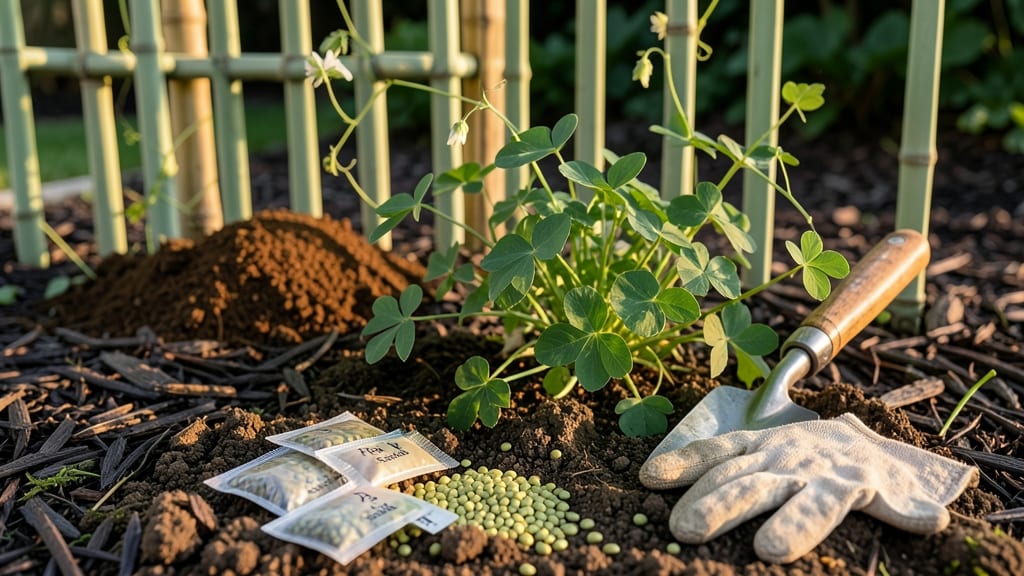
If you're eager to grow fast, sweet peas in your Zone 5 garden, timing your planting is the secret to success. Planting too early in cold soil can stall germination, while waiting too long risks missing the ideal harvest window.
The key is knowing exactly when to put those seeds in the ground for maximum growth.
For Zone 5 gardeners, the best time to plant peas is 4-6 weeks before your last frost date, typically in early spring (March-April) or late summer (August-September) for a fall harvest.
This timing ensures your peas get the cool soil they need to sprout quickly and thrive before summer heat sets in.
I’ll walk you through the exact weeks to plant, soil temperature tips, and how to extend your harvest with succession planting. Whether you're a beginner or a seasoned gardener, these strategies will help you grow peas that are fast, abundant, and ready to pick in no time.
Ready to turn your garden into a pea powerhouse? Let’s dive into the perfect planting schedule for your Zone 5 climate.
Zone 5 pea planting timeline: exact weeks before last frost for fast germination
Peas thrive in Zone 5’s cooler springs, but timing is critical for germination and growth. The ideal planting window is 4-6 weeks before your last frost date, typically between late March and early April.
This gives seeds time to sprout before soil warms too much—peas prefer 40-75°F soil temperatures for best results.
Northern Zone 5 (5a) gardeners should plant closer to mid-April, while southern Zone 5 (5b) can start as early as late March. Check your average last frost date (usually mid-April in Zone 5) and count backward to calculate your exact window.
Peas are cold-hardy but won’t germinate in frozen soil. A simple test: press your finger into the soil—if it feels cool but workable, it’s time to plant. Avoid soggy, waterlogged soil, which can rot seeds.
For a fall harvest, plant late summer varieties (like 'Oregon Sugar Pod') in August. These need 60-70 days to mature before the first frost (usually mid-October in Zone 5).
Pro Tip: Use a pea planting calendar or local frost data (like from the Old Farmer’s Almanac) to refine your timeline. Microclimates—like sunny slopes—can push planting 1-2 weeks earlier.
| Planting Stage | Zone 5 Timeline | Soil Temp | Notes |
|---|---|---|---|
| Early Spring Planting | 4-6 weeks before last frost (late March–early April) | 40–50°F | Best for 'Sugar Snap' or 'Green Arrow' |
| Late Summer Planting | August (60 days before first frost) | 50–60°F | Use 'Oregon Sugar Pod' for fall harvests |
| Soil Prep | 2–3 weeks before planting | N/A | Add compost; avoid fresh manure |
| Germination | 7–14 days | 40–75°F | Keep soil moist but not soggy |
Peas need 6-8 hours of sun daily, but they tolerate partial shade better than most veggies. Choose a spot with morning sun to prevent wilting in afternoon heat. If your garden is shady, opt for dwarf varieties like 'Little Marvel'
After planting, mulch with straw to retain moisture and suppress weeds. Peas are light feeders, so avoid heavy fertilizer—too much nitrogen reduces pod production. A light application of 5-10-10 at planting is enough.
Watch for pea weevils or aphids, common in Zone 5. Use row covers early in the season to deter pests. If you notice yellowing leaves, it may signal powdery mildew—improve airflow by spacing plants properly.
For continuous harvests, stagger plantings every 2 weeks in spring. This ensures fresh peas from June through July (or September–October for fall crops). Mark your calendar now—peas grow fast, but timing is everything!
Zone 5 pea planting timeline: exact weeks before last frost for fast germination
Peas thrive in Zone 5 when planted at the right time—typically 4-6 weeks before your last frost date. For most of Zone 5, this means early March to mid-April, but exact timing depends on your microclimate.
Northern Zone 5 (like Chicago) may need to wait until late March, while southern areas (like Nashville) can start as early as February.
Pea seeds germinate best in soil temperatures between 40°F and 85°F, but they won’t tolerate soggy, cold soil. If your ground is frozen or waterlogged, wait until temperatures consistently stay above 40°F during the day. Use a soil thermometer to check—this small investment prevents wasted seeds!
🌱 Did You Know? Peas are cold-hardy and can even survive light frosts after sprouting. This makes them one of the first vegetables you can plant in spring, giving you an early harvest when little else is ready.
| Planting Stage | Zone 5 Timeline | Soil Temp | Notes |
|---|---|---|---|
| Early Spring Planting | 4-6 weeks before last frost (Mar-Apr) | 40°F-50°F | Use cold-hardy varieties like 'Green Arrow' |
| Late Summer Planting | August-September (for fall harvest) | 50°F-70°F | Avoid planting too close to first frost |
| Soil Prep | 2-3 weeks before planting | N/A | Add compost for nitrogen-rich soil |
For fastest germination, aim to plant when daytime temperatures reach 50°F or higher. If you’re unsure about your last frost date, check your local USDA Plant Hardiness Zone Map or ask your cooperative extension service.
Pro tip: Plant a test row 2 weeks before your target date to gauge soil readiness!
Zone 5 gardeners can also try succession planting every 2 weeks until mid-May for a continuous harvest. This works especially well with dwarf varieties like 'Little Marvel,' which mature in just 55 days. Just be sure to provide trellis support early—peas need it to climb and avoid disease.
If you miss the spring window, don’t worry! Peas can also be planted in late summer (August) for a fall harvest.
Just ensure they have enough time to mature before the first frost, which typically hits Zone 5 by mid-October. Sugar Snap peas are a great choice for fall planting—they’re sweetest after a light frost!