
Companion Plants
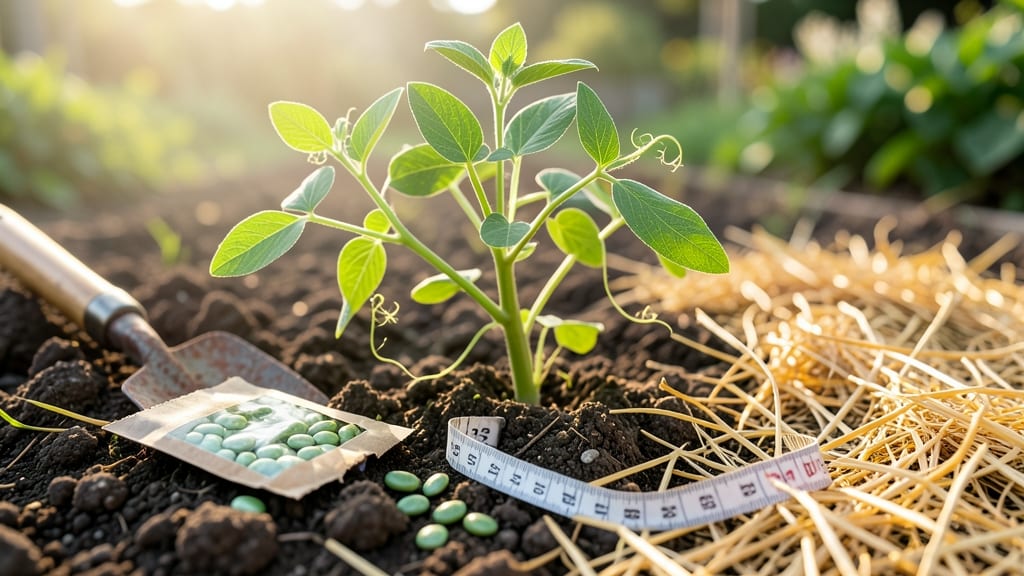
Timing your pea planting in Zone 6 can feel like solving a puzzle—get it wrong, and you’re left with slow germination or frozen vines. But here’s the secret: peas thrive when soil hits 40-50°F, not when the calendar says spring.
That means you’ve got a 6-week window to plant them right, whether you’re aiming for a spring harvest or a late-summer crop.
Most gardeners in Zone 6 (General) rush to plant peas as soon as the ground isn’t muddy, but that’s a recipe for disappointment. Cold soil delays germination, and frost can still sneak in.
Instead, I’ll show you how to read your soil’s temperature cues and adjust your planting schedule—so you’re not guessing whether your peas will sprout or freeze.
You’ll also discover why early March or late August are your best bets, depending on whether you want a spring or fall harvest. Plus, I’ll share tricks to speed up germination, like using black plastic mulch to warm the soil faster.
No more waiting weeks for those first sweet pea shoots!
By the end, you’ll know exactly when to plant, which varieties work best in Zone 6, and how to protect your crop from late frosts. Let’s turn your pea patch from a gamble into a guaranteed harvest.
Zone 6 pea planting calendar: exact dates based on frost and soil temperature
Peas thrive in Zone 6’s cool but frost-free conditions, making timing everything. The last average frost date in most of Zone 6 falls around April 15, but your exact window depends on whether you’re in the northern (e.g., Chicago) or southern (e.g., Lexington) part of the zone.
For spring peas, aim to plant 4–6 weeks before your last frost—typically mid-March to early April. This gives seeds time to germinate in 40–50°F soil before warmer weather arrives. Fall planting works too: sow seeds 8–10 weeks before the first frost (usually late August to early September).
Here’s the key: Peas hate heat. If soil temps creep above 80°F, germination stalls, and plants bolt. Use a soil thermometer to confirm readiness—50°F is ideal for planting.
In northern Zone 6, wait until soil warms to 45°F; in southern areas, you can plant earlier.
Pro tip: Succession planting every 2 weeks in spring (and again in fall) extends harvests. For example, if your last frost is April 15, plant on March 15, March 30, and April 10 for staggered yields. This works because peas mature in just 60–75 days.
Don’t overlook microclimates. Gardens near lakes or hills may frost later than urban areas. Check your local Almanac frost dates or use a frost calendar app to adjust. For instance, Denver (Zone 6a) often has later frosts than Cincinnati (Zone 6b).
If you’re unsure about frost dates, use black plastic mulch to warm soil faster. Lay it down 1–2 weeks before planting to jumpstart germination. This trick is especially useful in cool, wet springs that delay planting.
Pea varieties also play a role. Early varieties like ‘Early Sugar Snap’ tolerate cooler soil, while ‘Wando’ shelling peas need slightly warmer temps. Always check seed packets for days to maturity—shorter varieties (e.g., 50 days) work better in Zone 6’s short season.
One common mistake? Planting peas too early in cold, soggy soil. Seeds rot if temps stay below 40°F for weeks. Instead, test soil moisture—it should be damp but not waterlogged.
Use a moisture meter or dig a 6-inch hole; if it’s dry after 24 hours, wait a few days.
For fall harvests, prioritize disease-resistant varieties like ‘Oregon Sugar Pod’. Plant in late summer when soil is still warm but days are cooling. Avoid planting after mid-September in most of Zone 6—peas need 6–8 weeks of growth before frost hits.
Remember: Peas are sensitive to heat, but they love cool nights. Aim for 50–75°F daytime temps and 40–50°F nights. If summer arrives early, try shade cloth to protect young plants until temps drop in fall.
🌱 Zone 6 Pea Planting Timeline
| Season | Planting Window | Soil Temp | Key Notes |
|---|---|---|---|
| Early Spring | March 15–April 15 | 40–50°F | 4–6 weeks before last frost; succession plant every 2 weeks |
| Late Summer | August 15–September 15 | 50–65°F | 8–10 weeks before first frost; choose heat-tolerant varieties |
| Northern Zone 6 | April 1–May 1 | 45–50°F | Later frost dates; use black plastic mulch for warmth |
| Southern Zone 6 | February 28–March 31 | 40–45°F | Earlier planting possible; monitor soil temps closely |
💡 Pro Tip: Use a soil thermometer to confirm temps before planting—50°F is ideal for germination.
If you’re still
Zone 6 pea planting calendar: exact dates based on frost and soil temperature
Peas thrive in Zone 6’s cool spring and fall seasons, but timing is everything. The last frost date (around April 15) and soil temperature (ideally 40-50°F) determine your planting window.
In northern Zone 6, aim for early March to mid-April, while southern regions can start as early as late February. Fall plantings should happen 8-10 weeks before first frost (mid-October).
Use your local frost dates as a guide—peas can tolerate light frosts, but hard freezes will kill seedlings. For example, if your last frost is April 20, plant 3-4 weeks prior (early April). Always check soil temperature with a thermometer—cold soil delays germination, even if air temps seem warm.
| Planting Window | Soil Temp Requirement | Zone 6 Deadline | Notes |
|---|---|---|---|
| Early Spring | 40-50°F | 2-3 weeks before last frost | Best for early harvests; use row covers for extra protection. |
| Late Summer | 50-60°F | 8-10 weeks before first frost | Avoid planting too late—vines need time to mature before cold sets in. |
| Fall Succession | 50-55°F | 60-75 days before first frost | Ideal for short-day varieties like 'Sugar Snap.' |
Microclimates matter! If you live in a low-elevation area of Zone 6 (like St. Louis), you can plant 2 weeks earlier than high-elevation spots (like Denver). Always err on the side of earlier planting—peas grow faster in cool weather and can handle brief frosts once established.
For fastest germination, soak seeds overnight before planting. This trick cuts 2-3 days off your wait time, especially in cold, wet springs. Pair your peas with radishes or carrots to maximize space and improve soil health—radishes mature quickly and leave room for peas to climb.
Missed the spring window? Don’t panic! Fall plantings in August-September still yield sweet peas if you choose disease-resistant varieties like 'Green Arrow' or 'Oregon Sugar Pod.' Just avoid planting after mid-September—vines won’t mature before frost.
Pro tip: Mark your pea planting dates on a garden calendar with soil temp notes. This helps you adjust yearly based on unpredictable Zone 6 weather—some years, soil warms faster, and you can plant earlier. 🌱