
Watering
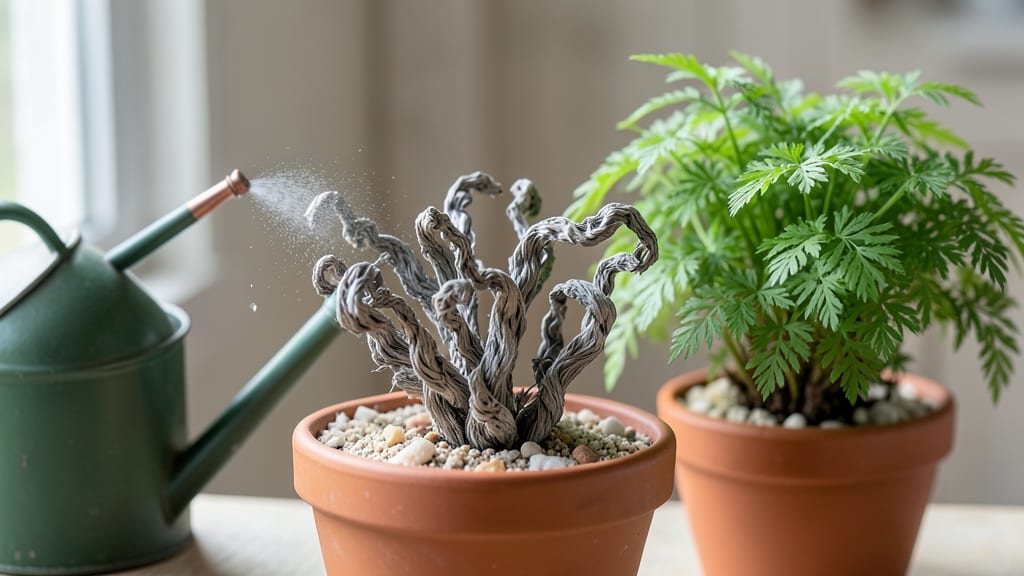
If you’ve ever wondered how much water a resurrection plant 🌵 truly needs, the answer might surprise you—because this hardy little wonder thrives on neglect.
Unlike most plants that wilt at the first sign of dryness, this drought-resistant species can dry out completely and bounce back when watered again, making it the perfect low-maintenance addition to your collection.
The key to keeping your resurrection plant happy isn’t a strict watering schedule but understanding its unique tolerance for dry spells. Overwatering is the real enemy here, as soggy soil can lead to rot and kill the plant faster than dehydration ever could.
Instead of guessing, we’ll break down exactly how to water it—whether you’re growing it indoors or outdoors in USDA Zone 6.
From spring’s active growth phase to winter’s dormancy, we’ll cover how often to water, what signs to watch for, and how to revive a plant that’s dried out completely. No more second-guessing—just straightforward, foolproof care that keeps your resurrection plant thriving year after year.
Ready to master the art of drought-proofing? Let’s dive into the secrets of watering this botanical marvel without overdoing it.
How much water does a resurrection plant need during active growth?
The resurrection plant thrives on minimal watering—its entire life cycle revolves around drought survival. During its active growth phase (spring and early summer), it needs just enough moisture to stay hydrated without becoming soggy.
Think of it like a desert cactus: deep watering every 2-3 weeks is ideal, but only when the top inch of soil feels completely dry.
Overwatering is the #1 killer of resurrection plants. Unlike typical succulents, this species cannot tolerate wet roots for long periods. Even well-draining soil can trap excess moisture, leading to root rot within days. When watering, focus on soaking the soil thoroughly but infrequently—this mimics its natural arid environment.
For indoor plants, humidity plays a bigger role than outdoors. If your home feels dry (like most homes in winter), reduce watering to every 3-4 weeks instead. Place a small hygrometer near your plant to monitor humidity levels—aim for 40-50% for optimal growth.
Outdoor resurrection plants in USDA Zone 6 or warmer can handle even less water. After establishing roots (usually 4-6 weeks post-planting), reduce frequency to monthly soakings during summer. Mulch with gravel or coarse sand to prevent soil moisture retention.
Here’s the golden rule: When in doubt, wait. The resurrection plant’s wrinkled, papery appearance is normal—it’s actually a sign of dormancy, not distress. Only water when the plant looks completely dried out and brittle.
| Growth Phase | Watering Frequency | Soil Moisture Check | Seasonal Notes |
|---|---|---|---|
| Active Growth (Spring-Summer) | Every 2-3 weeks | Top inch completely dry | Indoor: Reduce if humidity <40% |
| Established Outdoor Plants | Monthly (summer) | 2-3 inches dry | Use gravel mulch for drainage |
| Dormancy (Fall-Winter) | Every 4-6 weeks | Soil bone-dry | Store indoors if freezing temps |
| Reviving Dried-Out Plant | Soak until saturated | N/A (full rehydration) | Use room-temperature water |
One common mistake is assuming more water equals faster growth. Resurrection plants grow slowly by nature, and pushing water can actually stunt them. If you notice yellowing leaves or mushy stems, you’ve likely overwatered.
Trim affected areas immediately with sterile scissors and reduce watering to weekly shallow checks until the plant recovers.
For container-grown plants, choose pots with drainage holes and use a cactus/succulent mix combined with perlite. Terracotta pots help wick away excess moisture faster than plastic. If you’re unsure about soil moisture, stick a wooden chopstick into the soil—if it comes out clean, it’s time to water.
Pro tip: Group resurrection plants with other drought-tolerant species like hen-and-chicks or echeveria. This creates a microclimate that reduces humidity around them, making watering even easier. Just avoid placing them near mist-loving plants like ferns or calatheas.
Remember, the resurrection plant’s superpower is its ability to revive after extreme dryness. By mimicking its natural water-scarce environment, you’ll encourage healthier growth and longer lifespans for these remarkable plants. 🌵
How much water does a resurrection plant need during active growth?
The resurrection plant thrives on minimal water—its secret weapon is drought tolerance. During its active growth phase (spring and early summer), water every 10-14 days with a deep but sparse soak.
This mimics its natural desert habitat where rainfall is sporadic but intense. For potted plants, use 50-100ml per watering—just enough to moisten the soil without pooling.
Outdoor resurrection plants in well-draining soil need even less—every 3-4 weeks in summer and monthly or less in fall/winter. The key is letting the soil dry completely between waterings.
Stick your finger 1 inch into the soil; if it’s dry, it’s time to water. Overwatering is the #1 killer of these hardy plants.
| Season | Frequency | Soil Check | Amount |
|---|---|---|---|
| Spring | Every 10-14 days | Dry 1 inch deep | 50-100ml |
| Summer | Every 3-4 weeks | Completely dry | 30-50ml |
| Fall/Winter | Monthly or less | Dry 2 inches deep | 20-30ml |
For indoor plants, morning watering is ideal—it allows excess moisture to evaporate before nightfall, reducing root rot risks. Place pots in bright, indirect light (like a south-facing window) to balance water needs.
If you notice wrinkled leaves, it’s a sign of underwatering—but don’t overcompensate! A quick soak will revive it in hours.
Adjust your watering based on humidity levels. In dry climates, water slightly more often; in humid areas, extend the gap. Mulching with gravel helps regulate soil moisture and prevents evaporation.
Remember: the resurrection plant’s superpower is surviving zero water—so err on the side of underwatering rather than overdoing it.
Watch for yellowing leaves or mushy stems, which signal overwatering. These plants are succulents at heart—they store water efficiently. When in doubt, let the soil dry out completely before watering again.
With the right balance, your resurrection plant will stay plump, green, and ready to revive from dryness at a moment’s notice.
Pro tip: Group resurrection plants with other drought-tolerant succulents like sedum or echeveria to create a low-maintenance desert garden. This way, you’ll water the whole collection once every few weeks instead of fussing over each plant individually.