
Plants
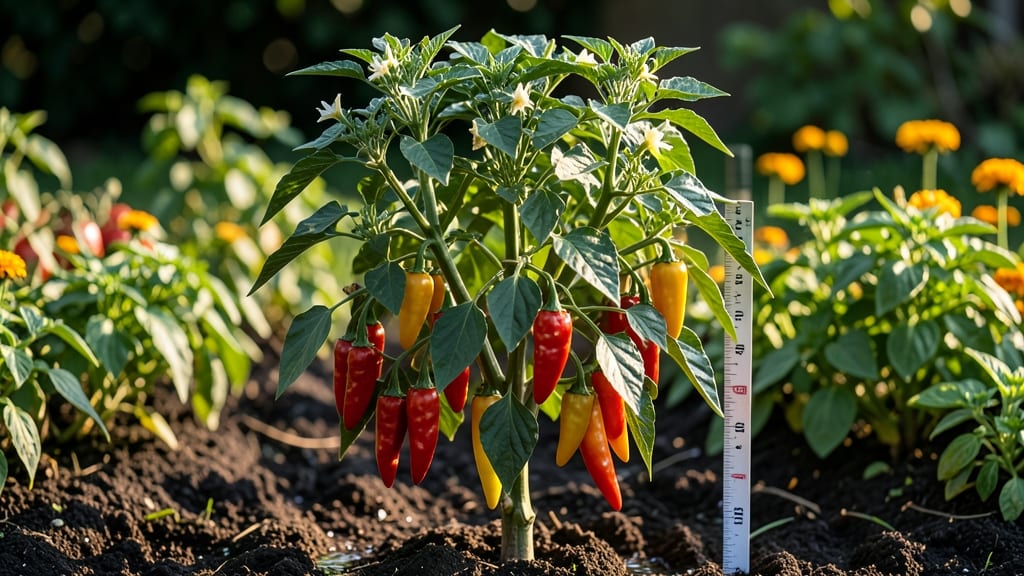
If you're wondering how tall does a habanero plant grow, the answer might surprise you—these fiery 🌶️ plants can reach heights of 3 to 4 feet under ideal conditions, but their size depends on variety, care, and growing space.
For gardeners with limited room, dwarf varieties stay between 2 to 3 feet, making them perfect for containers or small plots. Whether you're planting in USDA Zone 6a or a sunny balcony, understanding their growth habits helps you plan for success.
In this guide, I’ll break down the typical height ranges, space-saving techniques, and how sunlight, water, and pruning influence how tall your habanero will grow. You’ll also discover the best varieties for compact gardens and containers.
Ready to maximize your harvest without sacrificing space? Let’s dive into the details so you can grow your spiciest crop—no matter how small your garden.


Habanero plant height guide: growth stages & expected heights
If you’re planning your spicy garden, knowing how tall habanero plants grow helps you choose the right spot. These fiery peppers typically reach 3 to 4 feet at maturity, but their height can vary based on growing conditions and care.
Understanding their growth stages ensures you give them the space they need to thrive without overcrowding.
Habanero plants grow in distinct phases: from seedling to vegetative growth, flowering, and finally fruiting. Each stage impacts their height, with the most rapid growth occurring during the vegetative phase.
Proper sunlight, water, and nutrients during these stages can influence whether your plant stays compact or stretches taller than expected.
Most habanero varieties fall into the medium-height range, making them ideal for both garden beds and containers. However, some dwarf varieties stay under 2 feet, while standard types can reach closer to 4 feet. Knowing these differences helps you plan your garden layout or container size.
Here’s a quick breakdown of what to expect at each growth stage:
| Stage | Height Range | Key Growth Notes |
|---|---|---|
| Seedling | 4-8 inches | Focus on strong stems; transplant when 3-4 inches tall. |
| Vegetative Growth | 1-2 feet | Rapid vertical growth; provide full sun and balanced fertilizer. |
| Flowering | 2-3 feet | Height slows; focus on pollination for fruit set. |
| Fruiting/Maturity | 3-4 feet | Peppers develop; prune to manage height and improve airflow. |
Sunlight plays a critical role in determining how tall your habanero plant grows. These plants thrive in full sun (6-8 hours daily), which encourages bushier growth rather than leggy stems. Without enough light, they may stretch unnaturally tall in search of sunlight, a condition called etiolation.
This not only makes them top-heavy but also weakens their structure, increasing the risk of snapping.
Temperature also affects height. Habanero peppers prefer warm climates, ideally between 70-90°F (21-32°C). Cooler temperatures can stunt growth, while excessive heat may cause the plant to focus energy on flowering and fruiting rather than vertical expansion.
If you’re growing in a cooler climate, consider using black plastic mulch or a cloche to keep roots warm and encourage steady growth.
Soil quality and nutrients directly impact how robust your habanero plant grows. Well-draining soil rich in organic matter helps roots establish deeply, supporting a sturdy structure. A balanced fertilizer (10-10-10) applied every 4-6 weeks during the growing season promotes healthy foliage and fruit production.
Over-fertilizing with nitrogen can lead to excessive leafy growth at the expense of height control, so always follow recommended rates.
Pruning is another tool to manage how tall your habanero plant grows. By pinching off the top growth when the plant reaches 18-24 inches, you encourage a bushier shape and more fruit production.
This technique is especially useful for container growers or those with limited space. Just avoid heavy pruning once flowering begins, as it can reduce pepper yield.
If you’re growing habanero peppers in containers, choose pots at least 12-18 inches deep to accommodate their root system. Smaller containers may restrict growth, leading to stunted plants. Ensure the container has drainage holes to prevent waterlogging, which can cause root rot and further limit height.
For outdoor beds, space plants 18-24 inches apart to allow airflow and reduce competition for nutrients.
Even with ideal care, some habanero plants may grow taller than expected, especially if they’re not pruned. If your plant exceeds 4 feet, consider staking or using a cage support to prevent it from toppling over.
This is particularly important in windy conditions or if you’re growing in a container, where stability is key.
Understanding how tall habanero plants grow helps you create the perfect environment for a productive harvest. With the right balance of sunlight, nutrients, and space, you’ll enjoy a bumper crop of fiery peppers—no matter how limited your garden area might be. 🌶️🌱
Best space-saving techniques for growing habanero plants vertically
If your garden space is limited but you’re craving those fiery habanero peppers, vertical growth is your secret weapon. Habanero plants typically reach 3-4 feet tall, but with the right techniques, you can keep them more compact while maximizing yield.
The key lies in training them to grow upward instead of sprawling outward—perfect for balconies, patios, or even sunny windowsills.
Vertical gardening isn’t just about saving space; it also improves air circulation around your plants, reducing the risk of fungal diseases like powdery mildew. Plus, elevated plants are easier to harvest and maintain.
Whether you’re using containers or trellises, these methods will help you grow habaneros without sacrificing your garden’s layout. Let’s dive into the most effective space-saving strategies tailored for habaneros.
🌱 Did You Know?
Here are my top 5 space-saving techniques to grow habaneros vertically, each with unique benefits for your setup:
Use bamboo stakes or metal cages (4-5 feet tall) to support your habanero plants. Insert stakes 2-3 inches deep near the base and gently tie the main stem with soft plant ties as it grows. This keeps the plant upright while allowing side branches to develop for more peppers.
Train your habanero plant along a horizontal trellis or wire grid to create a bushier, flatter shape. Prune side shoots to encourage upward growth along the trellis, then allow smaller branches to form horizontally. This method works well for balcony gardens and maximizes sunlight exposure.
Choose 5-gallon containers or fabric grow bags with at least 12 inches of depth to accommodate the plant’s root system. Place containers near a south-facing wall or use a self-watering system to maintain consistent moisture. Dwarf varieties like 'Seven Pot Prime' thrive in containers.
Pinch off the top set of leaves when the plant reaches 18-24 inches tall to encourage bushier growth. Remove any suckers or weak branches growing below the first flower cluster. This redirection of energy results in a shorter, stockier plant with more peppers.
Use hanging planters or vertical garden pockets designed for peppers. These systems allow you to grow multiple plants in a small footprint while keeping them off the ground. Ensure each pocket has drainage holes and use a lightweight potting mix to prevent root rot.
For best results, combine these techniques with consistent care. Habaneros need 6-8 hours of sunlight daily and well-draining soil to thrive vertically. Water deeply in the morning to avoid fungal issues, and fertilize every 4-6 weeks with a balanced 10-10-10 NPK mix during the growing season.
With these adjustments, you’ll enjoy a bumper crop of habaneros without sacrificing your garden’s layout.
Ready to transform your vertical space into a habanero hotspot? Start with one of these methods, and watch your fiery peppers reach new heights—literally! 🌿