
Plants
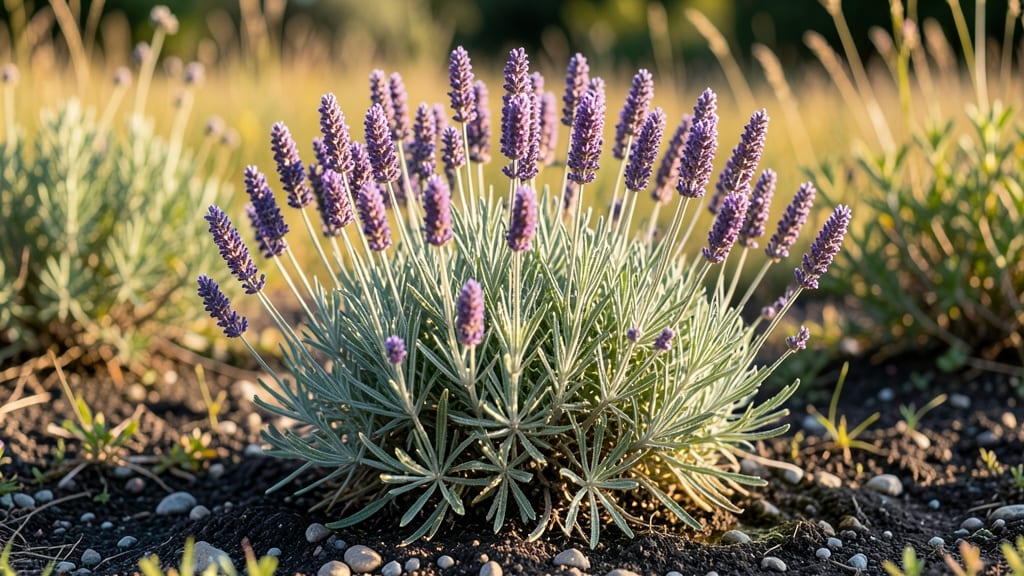
Wondering how tall does a lavender plant grow before it becomes a space hog?
The answer might surprise you—this fragrant 🌿 lavender can stay as short as 8 inches for dwarf varieties or soar to 4 feet for standard types, making it perfect for everything from window boxes to garden borders.
If you're planning your garden layout, knowing lavender's mature height helps you avoid overcrowding or wasted space. Whether you're a beginner gardener or a seasoned pro, understanding these growth ranges ensures your lavender thrives without taking over your yard.
We'll break down the height differences between popular varieties and share care tips to keep your lavender at your desired size. From pruning techniques to ideal spacing, you'll learn how to cultivate lavender that fits your space perfectly.
Ready to create a fragrant, low-maintenance garden? Let’s explore how to choose and care for lavender based on its growth potential, so you can enjoy its beauty and scent without the guesswork.


Lavender plant height by variety: compact vs. tall options
When planning your garden, knowing lavender plant height helps you choose the perfect variety for your space. Some stay under a foot tall, ideal for window boxes, while others reach 4 feet or more, perfect for borders or privacy screens.
The height of your lavender depends on the specific variety, pruning habits, and growing conditions. Let’s explore the most popular types and their mature sizes to help you pick the best fit.
English lavender, like the classic 'Hidcote' or 'Munstead', typically grows 2 to 3 feet tall at maturity. These are versatile choices for cottage gardens or herb spirals.
Meanwhile, Spanish lavender, such as 'Papillon' or 'Kew Red', often tops out at 3 to 4 feet, making them great for taller hedges or as a backdrop for shorter plants. French lavender, including 'Grosso', can even reach 4 feet or taller, perfect for dramatic focal points.
If you're working with limited space, consider dwarf varieties like 'Lavandula angustifolia 'Bee Happy', which stays under 12 inches tall. This makes it ideal for containers, hanging baskets, or even as a border along walkways.
For semi-dwarf options, varieties like 'Lavandula stoechas 'Anouk' grow 1 to 2 feet tall, striking a balance between compactness and height.
🌿 Lavender Height Comparison by Variety
| Variety | Mature Height | Ideal Spacing | Best For |
|---|---|---|---|
| English Lavender ('Hidcote', 'Munstead') | 2–3 ft | 18–24 in apart | Borders, herb gardens |
| Spanish Lavender ('Papillon', 'Kew Red') | 3–4 ft | 24–36 in apart | Hedges, privacy screens |
| French Lavender ('Grosso') | 3–5 ft | 36–48 in apart | Dramatic borders, focal points |
| Dwarf Lavender ('Bee Happy') | 8–12 in | 12–18 in apart | Containers, window boxes |
| Semi-Dwarf ('Anouk') | 1–2 ft | 12–18 in apart | Patio pots, small gardens |
Proper spacing recommendations are crucial for healthy lavender growth. Tall varieties like 'Grosso' need 36 to 48 inches between plants to avoid competition for sunlight and nutrients.
In contrast, dwarf types like 'Bee Happy' can thrive just 12 to 18 inches apart, making them perfect for small gardens or containers. Always plant lavender in well-draining soil and full sun to encourage optimal growth and prevent legginess.
Another factor influencing height is pruning practices. Regular pruning after flowering helps maintain a compact shape and prevents lavender from becoming too leggy. For taller varieties, prune back by one-third after blooming to encourage bushier growth.
Avoid heavy pruning in the fall, as this can harm the plant before winter dormancy. With the right care, even taller lavender varieties can be kept in check while still producing abundant flowers.
For container gardening, choose dwarf or semi-dwarf varieties to maximize your space. A 12-inch-tall lavender like 'Bee Happy' will thrive in a 6-inch pot, while a 2-foot-tall variety like 'Munstead' needs at least a 12-inch pot to accommodate its root system.
Always ensure containers have drainage holes to prevent root rot, a common issue with overwatered lavender.
Climate also plays a role in lavender height. In warmer, drier climates, lavender tends to grow taller and more vigorously, while cooler or wetter conditions can stunt growth.
If you live in a humid area, opt for dwarf varieties or plant lavender in raised beds with excellent drainage to mimic its natural Mediterranean habitat. This helps prevent fungal diseases and ensures your lavender reaches its full potential height.
When planning your garden layout, consider pairing taller lavender varieties with shorter perennials or annuals. For example, 'Grosso' lavender (3–5 ft) looks stunning behind salvia or catmint (1–2 ft), creating a layered, textured border.
For containers, mix dwarf lavender with thyme or rosemary to create a fragrant, low-maintenance herb garden that fits even the smallest patio.
If you're unsure which variety to choose, start with a mix of heights to add visual interest to your garden. A 3-foot-tall English lavender in the center of a border, flanked by 1-foot-tall dwarf varieties, creates a dynamic and fragrant display.
Remember, lavender’s height isn’t just about aesthetics—it’s also about creating a thriving, low-maintenance garden that fits your space perfectly.
How to control lavender height: pruning and care tips
Pruning is the secret to keeping your lavender plants at your desired height while encouraging lush, fragrant growth. Unlike many plants, lavender thrives when you prune it annually—this prevents legginess and woody stems while maintaining a compact shape.
The best time to prune is right after flowering, typically in late summer (August or September), when the plant has finished blooming for the year.
Start by removing any dead or damaged stems with clean, sharp pruners. Cut these back to the base of the plant to encourage new, healthy growth. Next, trim the remaining stems by about one-third of their length.
This might sound drastic, but lavender responds beautifully to this pruning style, producing bushier, more vibrant foliage the following season.
🌿 Step-by-Step Pruning Guide
- Step 1: Wait until after flowering (late summer).
- Step 2: Remove dead/damaged stems completely.
- Step 3: Trim remaining stems by 1/3 of their length.
- Step 4: Shape the plant to your desired height.
- Step 5: Avoid pruning in fall or winter.
If you're growing lavender in containers or small spaces, you can prune more aggressively to keep it under 12 inches tall. For larger garden beds, aim to maintain a height of 2–3 feet for a balanced look.
Always use sterilized pruners to prevent disease, and never prune more than one-third of the plant in a single session.
One common mistake gardeners make is pruning lavender in the fall or winter. This can stunt new growth and leave the plant vulnerable to cold damage. Another pitfall is over-pruning, which can expose the woody base and reduce flowering.
Lavender is a drought-tolerant plant, so avoid overwatering after pruning—this can lead to root rot and weaken the plant.
For taller varieties like 'Grosso', you might need to prune twice a year—once after flowering and again in early spring to remove any excessive growth. This keeps the plant from becoming too leggy and ensures it stays within your garden’s height limits.
With the right pruning techniques, you can enjoy fragrant lavender that fits perfectly in your space, whether it’s a window box or a border.
Finally, remember that lavender’s height is also influenced by its soil and sunlight conditions. Planting in well-draining soil and providing full sun (6+ hours daily) will help your lavender reach its full potential height while staying healthy and vibrant.
With consistent care, your lavender will reward you with years of beautiful blooms and a heavenly scent! 🌸