
Plants
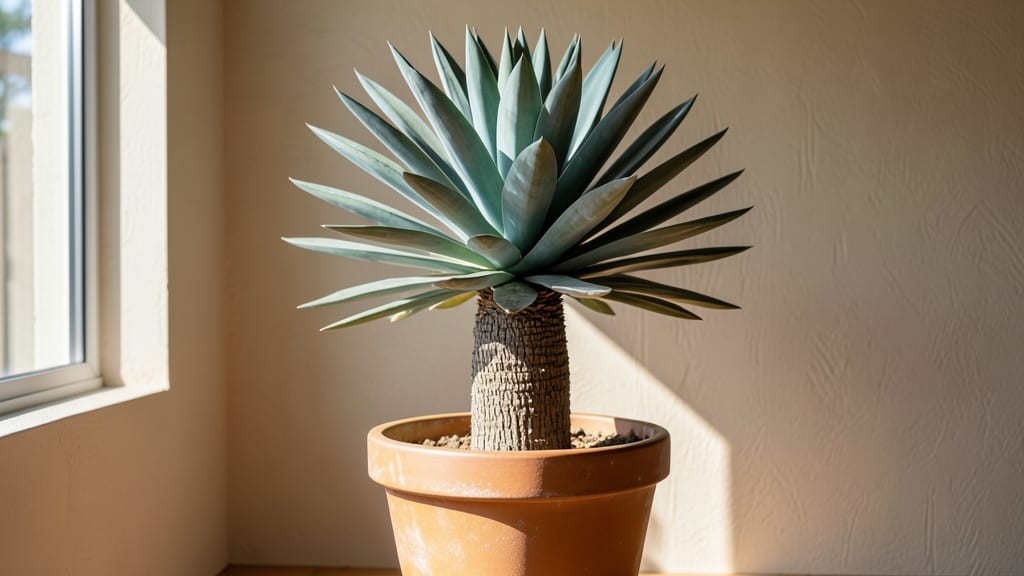
If you’ve ever wondered how tall can a yucca plant grow, prepare to be amazed—some varieties stretch taller than a basketball hoop, while others stay compact enough for small gardens.
The 🌵 Yucca elephantipes, for example, can reach 10–20 feet in ideal conditions, making it a dramatic focal point, while Yucca filamentosa tops out around 3–6 feet.
What makes these plants grow so dramatically? Climate, soil, and sunlight play huge roles—especially in USDA Zone 6a, where spring planting sets the stage for rapid vertical growth.
Even in containers, yuccas can thrive with the right care, though their height depends on the variety and how you manage them.
Whether you’re dreaming of a towering landscape statement or a manageable container plant, understanding your yucca’s potential height is key. I’ll break down the differences between varieties, share tips to encourage (or control) their growth, and help you choose the perfect size for your space.
Ready to transform your garden with these architectural wonders? Let’s dive into the details so you can grow a yucca that fits your vision—no matter how tall it dreams of being.


Yucca plant height by variety: from compact to towering giants
Yucca plants are stunning architectural specimens, but their mature height varies dramatically by variety. Some stay manageable for small gardens, while others become towering giants that dominate landscapes. Understanding these differences helps you choose the perfect yucca for your space and care needs.
If you're planning your garden layout, knowing a yucca's potential height is crucial. A Yucca elephantipes can reach 10–20 feet in ideal conditions, while a Yucca filamentosa typically stays between 3–6 feet. These differences affect everything from spacing to pruning strategies.
Visualizing growth is key—imagine a Yucca rostrata stretching 15–20 feet like a small tree, or a Yucca gloriosa staying compact at 3–5 feet. Your garden's vertical space will thank you for this foresight!
| Variety | Mature Height Range | Growth Rate (inches/year) | Sunlight Needs | Hardiness Zones |
|---|---|---|---|---|
| Yucca elephantipes (Spineless Yucca) | 10–20 ft | 12–24" | Full sun | 7–11 |
| Yucca rostrata (Beaked Yucca) | 15–20 ft | 8–16" | Full sun | 5–10 |
| Yucca filamentosa (Adam's Needle) | 3–6 ft | 6–12" | Full sun | 4–10 |
| Yucca gloriosa (Spanish Dagger) | 3–5 ft | 4–8" | Full sun | 6–10 |
| Yucca brevifolia (Joshua Tree) | 15–40 ft | 6–12" | Full sun | 7–11 |
The Yucca brevifolia (Joshua Tree) is the undisputed champion of height, often reaching 15–40 feet in its native desert habitats. This iconic desert plant grows slowly but steadily, making it a long-term investment for gardeners with patience and space.
For smaller spaces, Yucca filamentosa and Yucca gloriosa are excellent choices, staying under 6 feet tall. These varieties are perfect for borders, containers, or even as striking focal points in rock gardens.
Your climate zone plays a huge role in growth potential. Yuccas thrive in USDA zones 4–11, but colder zones may stunt growth. In zone 5 or below, expect slower height development unless you provide winter protection like mulch or burlap wraps.
If you're growing yuccas in containers, height will naturally be limited by pot size. A
How to encourage maximum growth: care tips for tall Yucca plants
To help your yucca reach its full height potential, focus on three key factors: sunlight exposure, well-draining soil, and proper watering habits. Yuccas thrive in full sun (6+ hours daily), and placing them in the brightest part of your garden will accelerate their vertical growth.
In containers, a south-facing window or outdoor patio with direct sunlight works best.
Your soil mix should mimic their natural desert habitat—sandy, gritty, and fast-draining. Amend heavy clay soil with perlite or coarse sand to prevent root rot, which can stunt growth.
A slightly alkaline pH (6.5–7.5) also supports healthy development, especially for varieties like Yucca elephantipes that reach 10–20 feet.
🌵 Watering is critical: Yuccas are drought-tolerant and prefer deep but infrequent watering. Let the top 6 inches of soil dry out between waterings, and avoid soggy conditions.
Overwatering triggers root rot, which halts growth entirely. In USDA Zone 6a, reduce watering in winter months to mimic their natural dormancy period.
⚠️ Common Mistakes That Stunt Growth
- Overwatering: Causes root rot, halting growth.
- Improper pruning: Removing too much foliage weakens the plant.
- Insufficient sunlight: Slows height development in sun-loving varieties.
Avoid these pitfalls to let your yucca grow to its full potential!
For maximum height, fertilize lightly in early spring with a balanced, low-nitrogen fertilizer (5-10-10). Apply ½ cup per plant to encourage strong root and stem development. Skip fertilizing in summer and winter to prevent stress, especially for container-grown yuccas that dry out faster.
Protect young plants from winter frost in colder zones by wrapping the base with burlap or mulch. Even mature yuccas benefit from light winter protection if temperatures drop below 10°F. This ensures they resume growth vigorously in spring, reaching their mature height faster.
With the right care, your yucca can grow 3–5 feet per year in ideal conditions. For Yucca rostrata, this means reaching 15–20 feet in just 5–7 years! Monitor growth closely, and adjust care as needed to keep your plant thriving.