
Plants
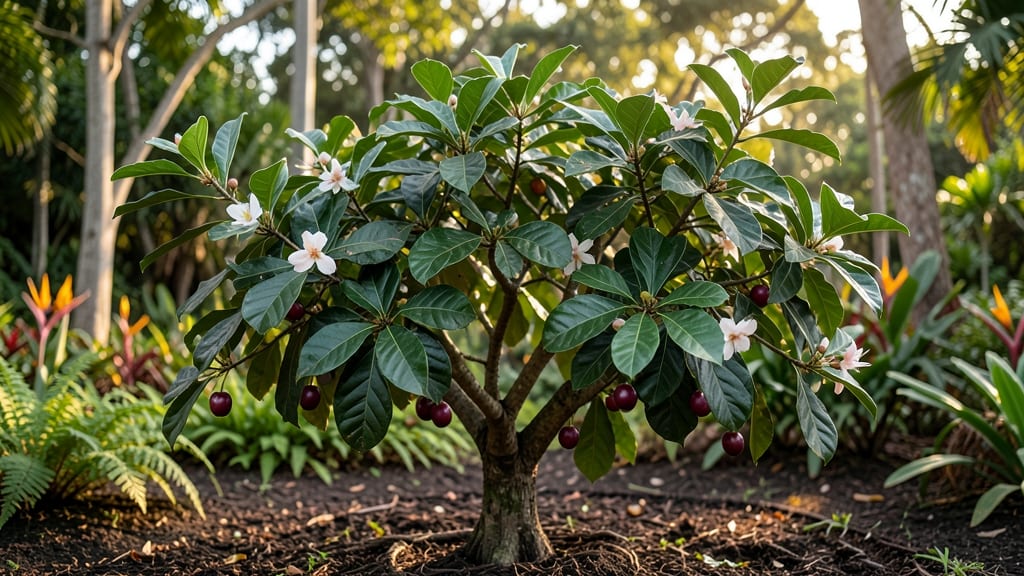
If you’re curious about how tall does a coffee plant grow, you’re in for a surprise—these ☕ powerhouses can range from compact container-friendly shrubs to towering shade trees reaching 30 feet or more.
Whether you’re dreaming of a backyard coffee grove or just want a potted plant for your patio, understanding their growth habits is the key to success.
The height of a coffee plant depends entirely on its variety and growing conditions. Standard varieties like Coffea arabica and Coffea canephora typically mature between 10 and 30 feet, while some tropical shade-grown types can stretch even taller.
But don’t let the size intimidate you—dwarf or bush varieties stay under 3 feet, making them perfect for small spaces or indoor gardening.
For home gardeners in USDA Zones 10-12, where coffee thrives year-round, choosing the right variety is everything. Tall varieties need ample space and pruning to manage their growth, while dwarf types thrive in containers with minimal upkeep.
The good news? Even a small coffee plant can produce delicious cherries—just give it the right care.
Ready to grow your own ☕? Discover which coffee varieties fit your space and learn how to prune, train, and care for them—no matter their height. Learn more about growing coffee at home and start your journey to homegrown java today!


Coffee plant height variations: from dwarf varieties to shade trees
Coffee plants (Coffea arabica and Coffea canephora) come in a stunning range of heights, from compact dwarf varieties that fit snugly in pots to towering shade trees reaching 30 feet or taller. The dramatic difference depends on the variety, growing conditions, and pruning habits.
Understanding these variations helps you choose the perfect coffee plant for your home garden, balcony container, or large-acreage farm.
Most commercial coffee plants grown in tropical regions like Brazil or Colombia reach 10–30 feet tall when left unpruned. These standard varieties develop into multi-stemmed shrubs or small trees with a spreading canopy, ideal for large plantations.
In contrast, home gardeners often opt for dwarf or semi-dwarf varieties that stay under 6 feet, making them perfect for containers, patios, or small backyards.
The height of a coffee plant isn’t just about aesthetics—it also impacts fruit production, pruning needs, and yield. Taller varieties produce more cherries but require larger spaces and regular pruning, while dwarf types yield smaller harvests but are easier to manage.
Let’s break down the key differences so you can pick the right variety for your goals.
🌱 Height Comparison Table
| Variety Type | Mature Height | Growth Habit | Best For |
|---|---|---|---|
| Dwarf Varieties | 1–3 ft | Compact, bushy | Containers, patios, indoor growing |
| Semi-Dwarf | 3–6 ft | Upright, manageable | Small gardens, urban yards |
| Standard Bush | 6–10 ft | Multi-stemmed, spreading | Large gardens, farm edges |
| Shade Tree | 10–30+ ft | Tall, canopy-forming | Plantations, rural properties |
The environment plays a huge role in how tall your coffee plant grows. Tropical climates with high humidity and rich, well-draining soil encourage faster, taller growth, while cooler temperatures or poor soil can stunt a plant’s height.
For example, a Coffea arabica in USDA Zone 11 might grow 20% taller than the same variety in Zone 10 due to warmer conditions. Additionally, pruning habits can dramatically alter height—regular topping and thinning can keep even standard varieties under 6 feet if managed properly.
If you’re growing coffee in containers, height control becomes even more critical. Root-bound plants grow slower but can still reach 4–5 feet in a large pot (20+ gallons). To keep them compact, prune back by 1/3 in early spring and pinch new growth to encourage bushier habits.
For indoor coffee plants, expect slower growth (often 1–2 feet tall) due to limited light and space. Use grow lights to supplement and rotate pots weekly for even growth.
One common misconception is that taller coffee plants always produce more cherries. While larger plants can yield hundreds of pounds of coffee in ideal conditions, dwarf varieties can still produce pint-sized harvests—enough for home roasting or gifting.
The key is balancing height with care: taller plants need more space, pruning, and nutrients, while dwarf types require frequent fertilizing and protection from cold drafts. Choose based on your space, climate, and patience for maintenance.
For home gardeners in cooler climates (Zones 9–10), dwarf or semi-dwarf varieties are the best bet. These stay under 6 feet, making them ideal for patios, greenhouses, or large containers.
If you’re in a tropical or subtropical zone (11–12), you can experiment with standard or shade-tree varieties, but be prepared for regular pruning to keep them manageable.
Always check local regulations—some areas restrict tall coffee plants due to their aggressive root systems or shade impact on neighboring vegetation.
Ready to pick your perfect coffee plant? Dwarf varieties like Coffea arabica ‘Nana’ or Coffea racemosa are great for beginners, while standard types like Coffea canephora offer bigger yields for experienced growers. Learn more about growing coffee at home with our full care guide, including pruning tips, soil prep, and pest control to keep your plant thriving—no matter its height!
Coffee plant height variations: from dwarf varieties to shade trees
The height of a coffee plant can swing wildly—from compact dwarf varieties barely reaching your waist to towering shade trees that dwarf your backyard.
Most commercial coffee plants (Coffea arabica and Coffea canephora) grow 10–30 feet tall under ideal tropical conditions, but their growth habits depend on variety, pruning, and sunlight exposure.
Understanding these differences helps you choose the right type for your space, whether you’re dreaming of a container-grown coffee plant on your patio or a shade-providing giant in your landscape.
Wild coffee plants in their native habitats (like the forests of Ethiopia or Vietnam) can reach 20–30 feet tall, forming dense canopies. However, cultivated varieties—especially those bred for home gardens—often stay much shorter.
For example, bush-type coffee plants (common in small farms) typically max out at 8–12 feet, while dwarf varieties (like Coffea arabica ‘Nana’) remain under 3 feet.
Even standard varieties can be pruned to control height, making them adaptable to urban gardens, balconies, or even indoor growing with the right care.
| Variety | Mature Height | Growth Habit | Best For |
|---|---|---|---|
| Dwarf Varieties (Coffea arabica 'Nana') | 1–3 ft | Compact, bushy | Containers, patios, indoor growing |
| Bush-Type (Coffea canephora) | 6–12 ft | Upright, spreading | Small farms, backyard gardens |
| Shade-Tolerant (Coffea liberica) | 20–30 ft | Tall, pyramidal | Large landscapes, shade trees |
| Pruned Standard (Coffea arabica) | 8–15 ft (controlled) | Multi-stemmed, managed | Commercial plots, large gardens |
Environmental factors also play a huge role in height.
Coffee plants grown in full sun with rich, acidic soil (pH 4.5–6.0) tend to grow taller and faster, while those in partial shade or nutrient-poor soil may stay shorter. Pruning is another game-changer—regular trimming can keep a 15-foot plant down to 6 feet, while neglect can turn a bush-type variety into a 20-foot tree.
If you’re in USDA zones 10–12, you’ll have the best luck with taller varieties, but even in cooler climates, dwarf varieties thrive in containers with proper winter protection.
Height isn’t just about aesthetics—it impacts yield, care, and even coffee flavor. Taller coffee plants produce more cherries but require staking, deeper root systems, and larger containers. Dwarf varieties, on the other hand, fruit earlier (often within 2–3 years) and are easier to harvest and maintain.
For example, a 3-foot dwarf plant in a 15-gallon pot can yield 1–2 cups of beans annually, while a 12-foot bush might produce 5–10 cups—but only if you’re willing to invest in space and pruning.
If you’re growing coffee for home use, prioritize dwarf or bush varieties to save space and simplify care. For ornamental or shade purposes, taller varieties like Coffea liberica make stunning focal points.
Just remember: prune annually to control height, mulch heavily to retain moisture, and avoid over-fertilizing with nitrogen (it encourages leafy growth over fruit). With the right variety and care, you can enjoy coffee cherries—and fresh brews—without sacrificing your backyard.
Ready to pick your perfect coffee plant? Explore our full guide to growing coffee at home for variety recommendations, pruning tips, and container-growing hacks tailored to your space. ☕🌿