
Plants
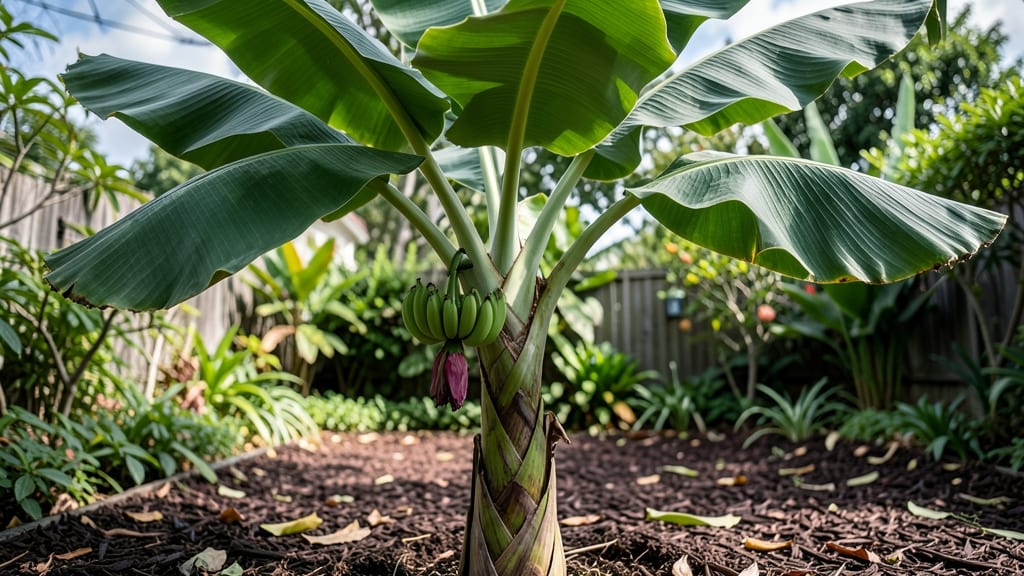
If you’ve ever wondered how tall does a banana plant grow, the answer might surprise you—these tropical giants can reach heights of 15 to 25 feet, towering over your backyard like a living skyscraper. 🍌 But before you picture a jungle in your garden, know that size depends on the variety, your climate, and how you care for it.
Dwarf bananas stay compact at 8 to 12 feet, perfect for containers or small spaces, while standard varieties like the Gros Michel can shoot up to 20 feet or more.
Even in cooler zones like 6a, with the right conditions, they’ll grow taller than you’d expect—just not as fast as in the tropics.
What really controls their height? Sunlight, water, and soil play huge roles. Too little sun stunts growth, while overwatering can weaken the stem. And here’s the kicker: once they flower, they’ll produce fruit before dying back—meaning their one-time height spurt matters more than you think.
Whether you’re dreaming of a tropical oasis or just want a few bananas for your kitchen, understanding these growth patterns helps you plan. Let’s dive into how to keep your banana plant thriving—no matter how tall it gets.


Banana plant height ranges by popular cultivar types
Banana plants (Musa spp.) are often called "trees," but they’re actually giant herbaceous plants that grow surprisingly fast. The height range varies dramatically by cultivar, from compact dwarf varieties perfect for containers to towering standard bananas that dwarf your backyard.
Choosing the right type ensures you’ll have space—and patience—for the plant’s mature size.
Most banana plants reach their full height within 12–18 months, but growth rates depend on care and climate. For example, a Dwarf Cavendish might top out at 8–12 feet, while a Gros Michel can soar to 20–25 feet or taller.
Even in USDA Zone 6a, with proper winter protection, some cultivars thrive.
Here’s how popular types compare in height and space needs:
| Cultivar Type | Mature Height | Growth Rate | Best For |
|---|---|---|---|
| Dwarf Cavendish | 8–12 ft | 3–6 ft/year | Containers, small yards, urban gardens |
| Lady Finger (Red Dacca) | 10–15 ft | 4–8 ft/year | Medium spaces, ornamental value |
| Sugar Banana (Musa × paradisiaca) | 12–18 ft | 5–10 ft/year | Large gardens, tropical climates |
| Gros Michel | 20–25+ ft | 6–12 ft/year | Rural properties, tropical regions |
| Ice Cream Banana (Musa acuminata) | 6–10 ft | 3–5 ft/year | Containers, cold-hardy zones (Zone 7+) |
If you’re growing bananas in containers, even dwarf varieties may need larger pots (15+ gallons) to support their root systems. Root-bound plants grow slower and produce smaller fruit bunches. For in-ground planting, ensure 6–10 feet of clearance from structures, as leaves can spread wider than the trunk’s height.
Some cultivars, like the Ice Cream Banana, are prized for their cold tolerance (Zone 7+) and compact size, making them perfect for northern gardens. However, they still need winter protection like mulch or row covers.
In contrast, Gros Michel thrives in tropical climates but struggles in frost-prone areas unless grown in containers and moved indoors.
Remember, banana plants are monocarpic, meaning they produce one large fruit bunch before dying. After harvest, the pseudostem (what looks like a trunk) collapses, but suckers (offshoots) at the base will grow into new plants. This cycle repeats, so plan for replacement plants every 1–2 years.
For urban gardeners, dwarf cultivars are the best choice—they fit on patios and balconies while still yielding edible fruit. Just ensure your container has drainage holes and you’re using well-draining potting mix to prevent root rot.
🌿
Factors that determine how tall your banana plant will grow
Your banana plant’s height isn’t just luck—it’s a mix of climate, sunlight, soil, and care.
In tropical zones like USDA 10-12, banana plants can shoot up to 25 feet in a single growing season, while in cooler areas like Zone 6a, they’ll grow slower, maxing out at 12-15 feet without winter protection. The key? Mimicking their natural habitat as closely as possible.
Sunlight is the biggest game-changer. Banana plants crave 6+ hours of direct sun daily, but too much scorching heat in Zone 10+ can stunt growth. If you’re in a hot climate, provide afternoon shade to prevent leaf burn.
Without enough light, your plant will stay short and leggy, focusing energy on reaching for the sun instead of growing thick stems.
🌱 Numbered Highlights: Top 5 Factors Affecting Banana Plant Height
- 1. Cultivar Type: Dwarf varieties (e.g., 'Dwarf Cavendish') stay 8-12 ft, while standard types (e.g., 'Gros Michel') reach 20+ ft.
- 2. Climate Zone: Tropical zones (10-12) enable 25 ft growth; cooler zones (6a-9b) cap at 12-15 ft.
- 3. Sunlight Exposure: 6+ hours of sun = optimal growth; less than 4 hours = stunted, weak stems.
- 4. Soil Quality: Well-draining, rich in organic matter (pH 5.5-7.0) fuels faster height growth.
- 5. Watering Routine: Deep watering 3-5x/week promotes tall, sturdy growth; drought stress = shorter, thinner plants.
Soil quality plays a hidden but critical role. Banana plants thrive in well-draining, nutrient-rich soil with a slightly acidic to neutral pH (5.5-7.0). If your soil is compacted or lacks organic matter, roots struggle to absorb nutrients, slowing height growth.
Amend with compost or aged manure at planting, and top-dress with banana-specific fertilizer (high in potassium) every 6-8 weeks during the growing season.
Watering habits can make or break your banana plant’s height potential. These tropical plants love consistent moisture, but their roots need oxygen too. Overwatering leads to root rot and weak stems, while underwatering causes stress that stunts growth.
Aim for 1-2 gallons of water per plant, 3-5 times per week, and always water at the base of the plant in the morning to reduce fungal risks.
Even the container size matters if you’re growing bananas in pots. Roots need room to spread—15+ gallon containers for dwarf varieties and 30+ gallons for standard types. Cramped roots trigger a "starvation response," forcing the plant to grow taller (and often top-heavy) to access sunlight.
If you’re container-growing, repot every 2-3 years to give roots more space.
Finally, don’t forget that banana plants are monocarpic, meaning they grow, flower, fruit, and then die—all in about 12-18 months. Their height spurt is tied to this life cycle: the faster they grow, the sooner they’ll produce fruit.
In cooler climates, growth slows dramatically in winter, but with row covers or indoor overwintering, you can extend their growing season and encourage taller, healthier stems.