
Plants
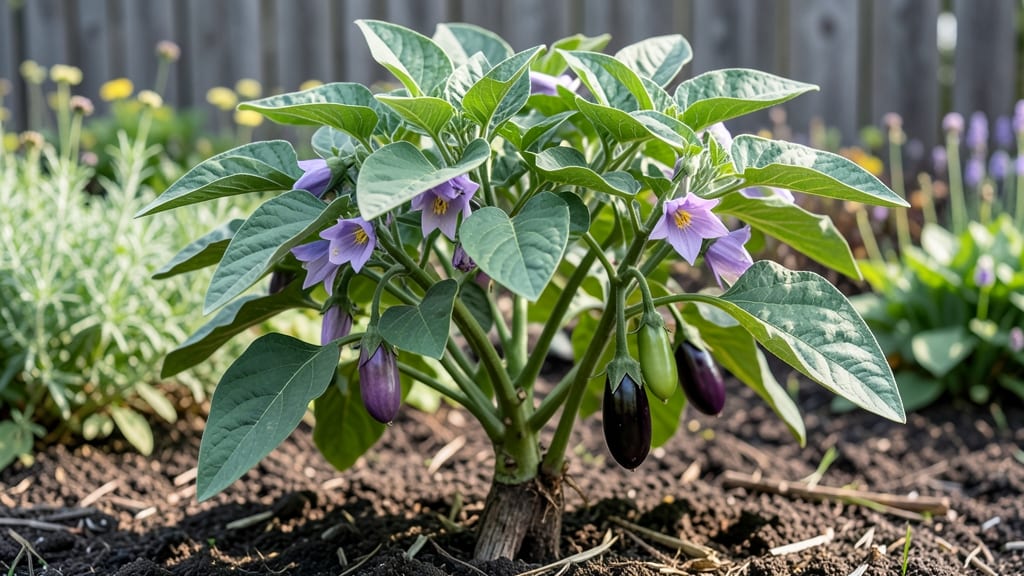
If you're wondering how tall do eggplant plants grow, the answer depends on the variety you choose—because some 🍆 plants stay compact while others reach skyward like vertical giants.
Knowing these differences isn't just about aesthetics; it directly impacts your garden layout, support needs, and even how many eggplants you'll harvest.
Standard eggplant varieties typically grow between 3 to 4 feet tall, making them perfect for garden beds with proper spacing. But dwarf varieties can stay as short as 1 to 2 feet, ideal for containers or small spaces.
The key difference? Determinate plants (bush types) stay compact, while indeterminate varieties keep growing taller and may need trellises.
This height variation affects everything from sunlight exposure to pruning needs. Tall varieties benefit from staking or cages to prevent sprawling, while shorter ones thrive in tight spaces. Whether you're working with 6a zone conditions or a balcony garden, understanding these growth patterns helps you plan for success.
Ready to maximize your harvest? Let's break down the best varieties for your space and how to support their growth—so you can enjoy a bumper crop from July through October without the guesswork.


Eggplant height by variety: from compact to towering types
Eggplants (Solanum melongena) are incredibly versatile, with heights ranging from compact 1-foot dwarfs to towering 4-foot giants. Understanding these differences helps you choose the right variety for your space and maximize your harvest.
Most gardeners assume all eggplants reach the same height, but this couldn't be further from the truth!
Height varies dramatically based on variety type—whether it's determinate (bush-type) or indeterminate (vining). Determinate varieties stop growing once they flower, while indeterminate types keep climbing until frost. This distinction directly impacts your garden layout and support needs.
For example, 'Fairy Tale' and 'Patio Baby' are popular dwarf varieties that stay under 2 feet tall, making them perfect for containers or small gardens. On the other hand, 'Black Beauty' and 'Ichiban' can easily reach 4 feet or taller without proper support.
Below, I’ve broken down the most common eggplant varieties by height range, including their growth habits and ideal spacing. This will help you visualize how they’ll fit into your garden and plan accordingly.
| Variety | Type | Mature Height | Spacing Needs | Best For |
|---|---|---|---|---|
| Fairy Tale | Dwarf | 1–2 ft | 12–18 in apart | Containers, small gardens |
| Patio Baby | Dwarf | 1–2 ft | 12–18 in apart | Balconies, urban gardens |
| Rosa Bianca | Semi-Dwarf | 2–3 ft | 18–24 in apart | Small plots, raised beds |
| Black Beauty | Standard | 3–4 ft | 24–36 in apart | Traditional gardens, trellises |
| Ichiban | Standard | 3–4 ft | 24–36 in apart | High-yield gardens |
| Long Purple | Indeterminate | 4–5 ft+ | 36+ in apart (trellis) | Vertical gardens, large plots |
If you’re working with limited space, dwarf varieties like 'Fairy Tale' are game-changers. They thrive in 5-gallon containers and produce mini eggplants perfect for snacking. Meanwhile, indeterminate types like 'Long Purple' need trellises or cages to support their sprawling growth and prevent fruit rot from touching the soil.
Pro tip: Check seed packets for height estimates, but always account for 10–20% extra space for indeterminate varieties. Overcrowding stunts growth and reduces yields, so plan accordingly. For example, if your garden bed is only 2 feet wide, stick to dwarf varieties or use vertical supports for taller types.
Height also affects pruning needs. Taller eggplants benefit from pruning side shoots to direct energy toward fruit production. In contrast, dwarf varieties need minimal pruning but may require staking to keep them upright as they bear fruit.
For container gardeners, height is everything. A 4-foot eggplant in a 5-gallon pot will struggle to support its own weight, leading to flopping plants and poor airflow. Always match your container size to the variety—dwarf types in small pots, standard types in 15+ gallon containers.
Finally, consider your climate zone. In cooler regions (USDA zones 6–8), taller varieties may need row covers to extend the growing season. Shorter varieties are more forgiving and can handle earlier frosts better.
Now that you know the height ranges, you’re ready to pick the perfect eggplant for your garden—whether you’re a space-challenged urban gardener or a backyard grower with plenty of room to spread out. 🌱
How eggplant height affects your garden planning
When planning your garden, eggplant height isn’t just about aesthetics—it directly impacts spacing, sunlight exposure, and support needs. Taller varieties like Black Beauty (3-4 ft) require more room and may need staking, while dwarf varieties like Fairy Tale (1-2 ft) thrive in containers or tight beds.
Understanding these differences helps you avoid overcrowding, which can stunt growth and reduce yields.
Tall eggplants also need stronger trellises or cages to support their weight, especially when laden with fruit. Without support, branches can break under the weight of 6-12-inch eggplants, leading to wasted harvests.
Even shorter varieties benefit from a small cage or stake to keep them upright and improve airflow, reducing disease risk.
Another key factor is sunlight access. Taller plants cast shadows, so avoid planting them near shorter vegetables like bush beans or lettuce. Instead, pair them with vertical companions like pole beans or cucumbers to maximize space.
If your garden has limited sunlight, opt for dwarf varieties to ensure all plants get the 6-8 hours of full sun they need daily.
Pruning also plays a role in managing height. Indeterminate varieties (like Ichiban) grow continuously, so regular pruning keeps them manageable and redirects energy to fruit production. Determinate varieties, however, produce fruit in clusters and don’t need pruning—just proper spacing to prevent disease.
Pest management is another consideration. Taller eggplants are harder to inspect for pests like aphids or hornworms, so choose varieties that fit your comfort level. If you prefer low-maintenance gardening, dwarf varieties are easier to monitor and protect.
Finally, consider your harvest timeline. Tall varieties may take slightly longer to mature due to their growth habits, while dwarf varieties often produce fruit faster. If you’re aiming for an early harvest, prioritize shorter types like Rosa Bianca (1-2 ft) to enjoy eggplants as early as July.
By matching your garden layout to your eggplants’ mature height, you’ll create an efficient, high-yielding space that’s easy to maintain—whether you’re working with a raised bed, containers, or in-ground plots. 🌱