
Size
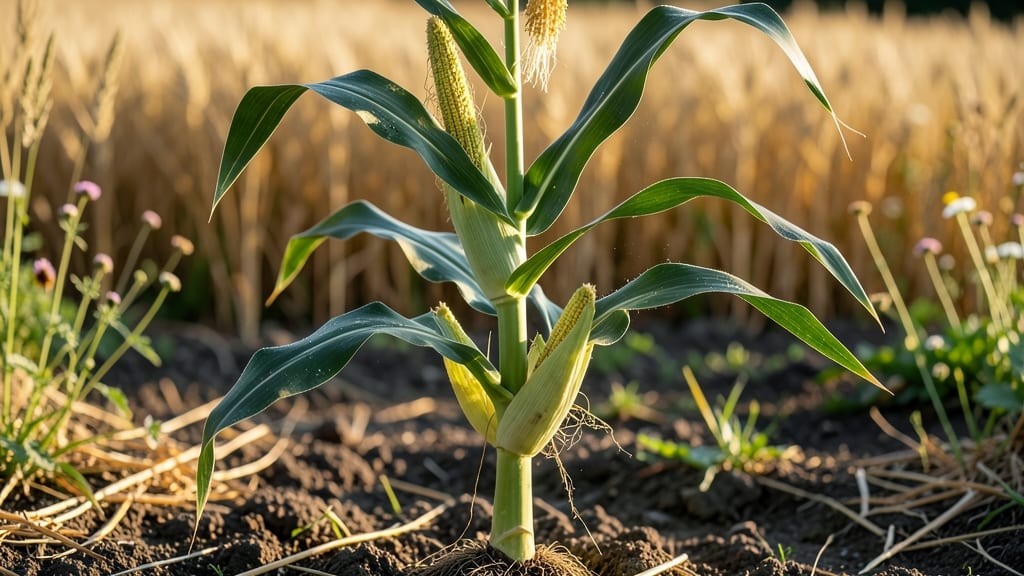
If you’ve ever wondered just how tall a corn plant can grow—from barely reaching your knees to stretching taller than a basketball hoop—you’re about to discover the surprising range of possibilities. 🌽 Corn isn’t just one size fits all; some varieties stay compact enough for small gardens, while others reach skyward like natural skyscrapers.
The height of your corn depends on more than just genetics—it’s also about where you live, how you care for it, and the variety you choose.
In USDA Zone 6a, for example, some dwarf types might only hit 3-5 feet, while giant stalks can soar to 10+ feet with the right conditions. That’s a difference that impacts everything from spacing to harvest!
But here’s the thing: knowing your options isn’t just about curiosity—it’s about making smart choices for your garden. Whether you’re working with limited space or dreaming of a towering cornfield, the right variety and care can turn your growing goals into reality.
Let’s break down what you need to know to get the perfect height for your plot.
From spring planting in April-May to summer harvests, we’ll cover how to nurture corn that thrives—no matter how tall you want it to be. Ready to grow corn that fits your space and your vision?


Corn plant height ranges: from dwarf varieties to giant stalks
Corn plants are architectural marvels in the garden, with heights that can transform your space from a cozy backyard to a towering cornfield.
The average corn plant reaches 7 to 12 feet tall, but some varieties stay as short as 3 feet, making them perfect for containers or small gardens. The variety you choose determines not just height but also yield, flavor, and even how you’ll arrange your garden layout.
Understanding these height ranges helps you plan spacing, support structures, and even companion planting. For example, dwarf corn varieties like 'Peaches and Cream' thrive in pots on patios, while giant varieties like 'Mammoth Melting' need wide-open spaces and sturdy stakes.
Let’s break down the three main height categories so you can pick the perfect fit for your garden.
| Category | Height Range | Popular Varieties | Ideal Spacing | Garden Use |
|---|---|---|---|---|
| Dwarf Corn | 3–5 ft | Peaches and Cream, Golden Bantam | 12–18 inches apart | Containers, small gardens, patios |
| Semi-Dwarf Corn | 5–7 ft | Silver Queen, Country Gentleman | 24–30 inches apart | Backyard gardens, raised beds |
| Standard/Tall Corn | 7–12 ft | Mammoth Melting, Country Gold | 36–48 inches apart | Large gardens, fields, trellises |
If you’re growing dwarf varieties, you’ll love how they fit into tight spaces or even large pots. These plants are perfect for urban gardeners or those with limited square footage.
Just remember, even dwarf corn needs at least 6 hours of sunlight and well-draining soil to reach their full potential.
For semi-dwarf varieties, you’ll strike a balance between manageable height and generous yields. These are ideal for backyard gardens where you want a classic corn experience without the need for massive spacing.
Varieties like 'Silver Queen' are also great for fresh eating and canning, making them a favorite among home gardeners.
Now, if you’re dreaming of towering corn stalks that rival a basketball hoop, standard and tall varieties are your best bet. These giants can reach up to 12 feet, but they require ample space and support.
Plant them in rows with 3–4 feet between stalks to prevent overcrowding and ensure each plant gets the nutrients it needs to grow tall and strong.
Pro tip: If you’re growing tall corn in a small garden, consider using trellises or stakes to guide their growth vertically. This not only saves space but also makes harvesting easier.
Just be sure to tie the stalks loosely so they can still sway slightly in the wind—this helps prevent breakage.
No matter which height range you choose, remember that corn plants thrive in warm weather and need plenty of water, especially during the ear-development stage. With the right variety and care, you’ll have a cornfield-worthy harvest that’s perfectly scaled to your garden’s size.
🌽
Factors that influence how tall your corn plant grows
When it comes to corn height, genetics play the starring role. The variety you choose determines whether your stalks will stay waist-high or reach for the sky. For example, 'Peaches and Cream' stays between 3-5 feet, while 'Mammoth Melting' can soar to 12 feet or taller.
But don’t stop there—other factors like sunlight exposure, soil quality, and watering habits can push your plants toward their full potential or hold them back.
Let’s start with sunlight, the lifeblood of corn growth. Corn thrives in full sun (6-8 hours daily), but even a few hours less can stunt height.
If your garden gets partial shade, opt for dwarf varieties like 'Golden Bantam', which tolerates 4-6 hours of sun better than giants. Morning sun is ideal—it reduces water loss and keeps plants energized for vertical growth.
Genetics + Sunlight = Height
- Dwarf varieties (3-5 ft): Need 4-6 hours sun
- Standard varieties (7-12 ft): Require 6-8 hours sun
- Giant varieties (12+ ft): Demand full sun + rich soil
💡 Pro Tip: Test your garden’s sunlight with a sun gauge before planting—corn won’t forgive shade!
Next up is soil quality, the foundation for towering stalks. Corn loves loamy, well-draining soil with a pH of 6.0-6.8.
If your soil is clay-heavy or sandy, amend it with compost or aged manure to boost nutrients. Nitrogen is critical for early growth, but too much can lead to leafy monsters with tiny ears.
Aim for a balanced fertilizer (10-10-10) applied at planting and again when plants hit 12 inches tall.
Watering is another make-or-break factor. Corn needs 1-2 inches of water weekly, but consistency is key. Drought stress during tasseling or ear development can stunt height and reduce yields. Morning watering is best—it minimizes evaporation and fungal risks.
If your area gets hot and dry, mulch around plants to retain moisture and keep roots cool.
Finally, climate and weather can’t be ignored. Corn grows best in USDA Zones 6-12, but cool nights or early frosts can halt vertical growth.
If you’re in a shorter growing season, choose early-maturing varieties like 'Early Sunglow' (70 days) to maximize height before frost. Wind can also be a villain—it weakens stalks, making giants like 'Country Gentleman' wobble dangerously.
By mastering these four key factors, you’ll unlock your corn’s full height potential—whether you’re dreaming of basketball-hoop stalks or cozy container-friendly dwarfs. Start with the right variety, then give it the sun, soil, and water it craves, and watch those stalks reach for the sky! 🌽