
Plants
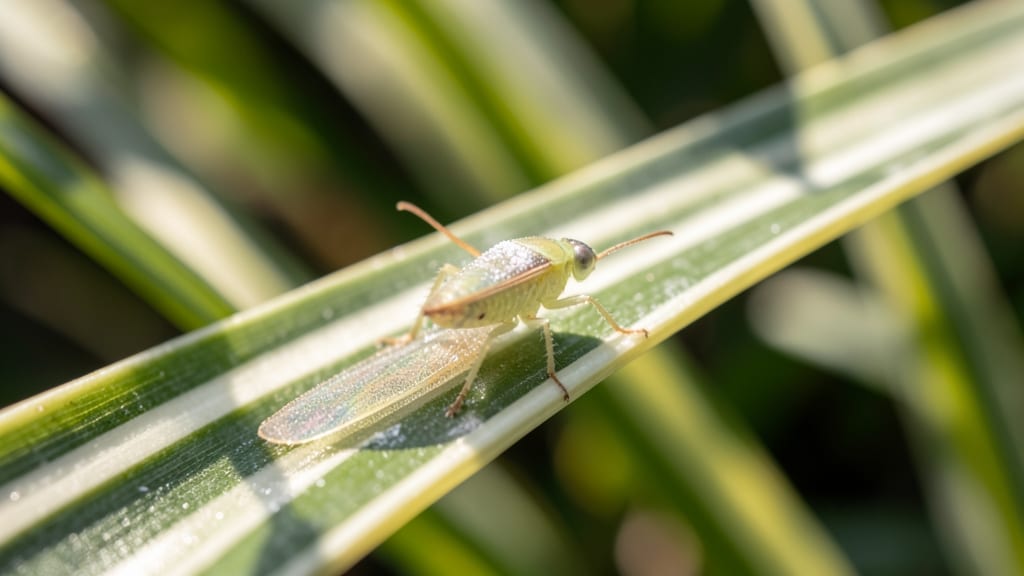
If your Spider Plant 🌿 looks more like a sad, droopy friend than a thriving houseplant, you might be getting the light all wrong.
The truth is, these hardy plants need just the right balance—too little light and they stretch out like they're reaching for a hug, while too much turns their leaves into crispy snacks. Let’s fix that with the perfect lighting formula for lush, vibrant growth.
Most people assume Spider Plants are low-maintenance, but the key to keeping them healthy lies in understanding their light preferences. These plants thrive in bright indirect sunlight, which means they love natural light—but not the harsh, direct kind that can scorch their leaves.
Think of it like giving them a cozy spot near a window where they get plenty of light without the midday sun beating down on them.
You might be surprised to learn that even a simple adjustment—like rotating your plant every few weeks or moving it closer to a window—can make a world of difference. Whether you're dealing with brown tips, pale leaves, or leggy growth, the solution often starts with tweaking the light.
I’ll show you exactly how to spot the signs and make the changes your Spider Plant needs to flourish.
Ready to transform your plant from struggling to stunning? Let’s dive into the secrets of Spider Plant lighting and give your green friend the perfect home. You’ll be amazed at how quickly they bounce back once they get the right conditions!
 Best Window Placement
Ideal light requirements for spider plants: bright indirect sunlight explained
Spider plants (Chlorophytum comosum) thrive in bright indirect sunlight, but their exact needs often confuse even experienced plant parents. Too little light causes leggy growth, while too much triggers brown tips. The sweet spot? 4-6 hours of filtered light daily, mimicking their natural under-canopy habitat in South Africa.
Think of your spider plant like a coffee drinker—it prefers its light strong but not scorching. Direct midday sun through a south-facing window acts like espresso: too intense.
Instead, position it near an east or north-facing window, where morning light gently wakes it up without the harsh afternoon glare.
Here’s the light spectrum breakdown for optimal growth:
| Light Level | Description | Ideal Placement | Growth Effect |
|---|---|---|---|
| Low Light (<2,000 lux) | North-facing windows, deep shade, or 8+ feet from windows | Survival mode only | Slow growth, pale leaves, elongated stems |
| Moderate Light (2,000-4,000 lux) | East/west windows, 3-6 feet from south windows with sheer curtains | Perfect balance | Healthy green leaves, compact growth, regular propagation |
| Bright Indirect (4,000-6,000 lux) | 1-2 feet from east/north windows, 4-6 feet from south windows | Optimal for variegated varieties | Vibrant stripes, faster growth, bushier habit |
| Direct Sun (>6,000 lux) | South/west windows without filters, greenhouse conditions | Avoid unless acclimated | Brown leaf tips, crispy edges, sunburn |
For indoor growers, use this light test: Place your hand near the plant. If you can’t read a book comfortably, it’s too dim. If your skin feels warm, it’s too intense.
Adjust by moving the plant 6-12 inches closer or farther from the window weekly until you hit that "just right" zone.
Seasonal shifts matter too. In winter, when days shorten, supplement with a grow light (LED or fluorescent) for 12-14 hours daily. I use a 10W LED clip light on a timer near my kitchen window—it’s saved my spider plant during gray Seattle winters!
Outdoor enthusiasts can place spider plants in partial shade (dappled sunlight under trees) during summer. Just avoid hot afternoon sun—think of it like a sunburn warning for your plant. If leaves start curling or developing white patches, it’s begging for shade relief.
Pro tip: Rotate your spider plant quarter-turn weekly to ensure even light exposure. Uneven growth (like leaning toward the window) is a dead giveaway that one side is getting more love than the other.
Remember, variegated spider plants (with white stripes) need slightly more light than solid green varieties to maintain their striking patterns. If those stripes start fading to all-green, it’s a cry for brighter conditions.
Ideal light requirements for spider plants: bright indirect sunlight explained
Spider plants (Chlorophytum comosum) thrive in bright indirect sunlight, making them perfect for indoor spaces with natural light. Too little light causes leggy growth and weak variegation, while too much direct sun leads to brown leaf tips.
The ideal spot mimics dappled shade—like under a tree—where light filters gently through leaves.
In nature, these plants grow under forest canopies, receiving only 40-60% sunlight. Recreate this by placing your spider plant near an east-facing window (gentle morning sun) or a north-facing window (consistent indirect light). Avoid harsh afternoon sun, especially south- or west-facing windows, which can scorch delicate foliage.
For artificial lighting, use LED grow lights 6-12 inches above the plant for 12-14 hours daily. Fluorescent bulbs work too but require closer placement (4-6 inches). Rotate the pot weekly to ensure even light exposure, preventing lopsided growth.
| Light Condition | Ideal Placement | Signs of Stress |
|---|---|---|
| Bright Indirect Light (40-60%) | East/west window, 2-3 ft away | Healthy variegation, compact growth |
| Low Light (<30%) | North window, dim corners | Pale leaves, stretched stems, slow growth |
| Direct Sunlight (>70%) | South/west window, no filter | Brown tips, crispy edges, bleached leaves |
Seasonal adjustments are key: in winter, when sunlight is weaker, move your spider plant closer to the window (within 1-2 feet). In summer, increase distance to 3-4 feet to prevent leaf burn.
If your home lacks natural light, supplement with a timed grow light on a 16/8 light/dark cycle to mimic natural rhythms.
Test your light conditions with this simple trick: place a white piece of paper near your plant for an hour. If the shadow is crisp and dark, the light is too harsh.
If it’s faint or nonexistent, the area is too dim. Adjust placement until you achieve a soft, diffused shadow—this is your spider plant’s sweet spot.
Pro tip: Rotate your plant quarter-turns every 2 weeks to ensure all sides receive equal light. This prevents one-sided growth and keeps those iconic arching leaves symmetrical and vibrant. 🌿