
Plants
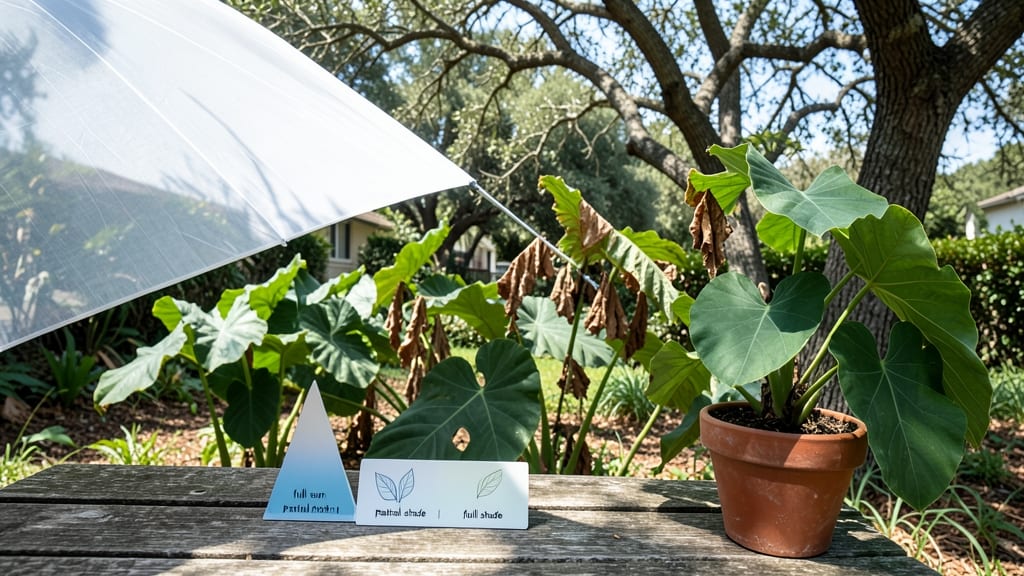
If your Elephant Ear 🌿 plant is struggling—leaves wilting, colors fading, or growth stalling—you might be getting how much light does an elephant ear plant need wrong.
These tropical beauties thrive in bright indirect sunlight, but too much direct sun or insufficient light can turn your lush foliage into a sad, crispy mess.
I’ve seen firsthand how a little adjustment in light exposure can transform a struggling Elephant Ear into a bold, vibrant statement piece. Whether you’re dealing with harsh afternoon sun or dim indoor spaces, understanding the perfect balance is the key to keeping those massive, dramatic leaves looking their best.
In this guide, I’ll break down exactly how much light your Elephant Ear needs—whether you’re growing it outdoors in Zone 6a or indoors near a window.
You’ll learn how to spot signs of light stress, where to place your plant for optimal growth, and how to tweak conditions if things start going south.
Let’s get your Elephant Ear thriving with the right light—no more guesswork, just stunning results.
 Best Window Placement
Elephant ear plant light requirements: partial shade vs. bright indirect sun explained
Elephant ear plants (Colocasia) thrive in bright indirect light but can also tolerate partial shade, making them perfect for gardeners in hotter climates or shaded patios. The key is avoiding direct afternoon sun, which can scorch their delicate leaves.
In cooler regions, they can handle morning sun, while tropical zones need filtered light to prevent stress.
Think of their ideal light as similar to dappled sunlight under tall trees—enough brightness to fuel growth without the harsh intensity of full sun. This balance ensures vibrant foliage and prevents leaf burn or stunted growth.
Understanding these nuances is crucial for keeping your plant lush and healthy year-round.
Here’s how to measure and adjust light for your elephant ear plant:
| Light Condition | Foot-Candles | Ideal For | Leaf Effects |
|---|---|---|---|
| Bright Indirect | 1,000–3,000 fc | East/west windows, under trees | Large, glossy leaves |
| Partial Shade | 500–1,500 fc | North-facing windows, shaded patios | Smaller, darker leaves |
| Full Sun | Over 3,000 fc | South-facing windows, hot climates | Leaf burn, yellowing |
For indoor plants, place them near east or west-facing windows where they’ll receive gentle morning or soft afternoon light. Avoid south-facing windows in hot climates, as the intense midday sun can cause leaf scorch within days.
If you notice brown patches or wilting, it’s a sign they’re getting too much direct light.
In outdoor gardens, position your elephant ear plants under deciduous trees or on north-facing walls to filter sunlight naturally. If you’re in a cooler climate, they can handle 3–4 hours of morning sun, but always provide afternoon shade to protect their leaves.
Mulching around the base also helps regulate soil temperature and moisture, which indirectly supports their light needs.
Seasonal adjustments are key: spring and fall are ideal for more direct light, while summer’s harsh rays demand extra shade. Use light-colored shade cloth (30–50%) if your plant starts showing signs of stress. This simple tool can extend their growing season and keep them looking their best.
Pro tip: Rotate your plant quarter-turns weekly to ensure even light exposure on all sides. This prevents lopsided growth and encourages symmetrical foliage. Even a small adjustment like this can make a big difference in their overall health and appearance.
If you’re unsure about your space’s light levels, use a light meter (or a free app) to check foot-candles. Aim for 1,000–3,000 fc for optimal growth. Most smartphones can estimate light intensity with a simple search for "light meter apps," making it easier than ever to get it right.
Remember, elephant ear plants are tropical and prefer humidity along with the right light. Pairing proper light exposure with consistent moisture and high humidity (like a pebble tray or humidifier) will give you the show-stopping foliage this plant is famous for.
Elephant ear plant light requirements: partial shade vs. bright indirect sun explained
Your elephant ear plant (Colocasia) thrives in bright indirect light, but many gardeners mistakenly assume it needs full sun. In reality, these tropical beauties prefer 4-6 hours of morning sun followed by afternoon shade—especially in hot climates.
Too much direct sun causes leaf scorch, while too little shade leads to weak, leggy growth.
Understanding light intensity is key: aim for 1,000–3,000 foot-candles of light. This translates to dappled sunlight under tall trees or a spot near an east-facing window. Darker leaves (like 'Black Stem') need slightly more light, while variegated varieties tolerate lower light better.
Here’s how to match your plant’s needs to your space:
| Light Condition | Daily Sun Exposure | Leaf Response | Best For |
|---|---|---|---|
| Bright Indirect | 4-6 hours (morning sun) | Large, glossy leaves | Outdoor gardens, patios |
| Partial Shade | 2-4 hours (filtered light) | Smaller, darker leaves | Indoor homes, shaded porches |
| Full Sun | 6+ hours (risky) | Brown edges, leaf burn | Avoid in hot climates |
Seasonal adjustments matter: in summer, provide afternoon shade with a sheer curtain or move plants to a shadier spot. In cooler months, you can gradually increase sun exposure to 6 hours if your plant looks leggy. Variegated varieties (like 'White Stripe') handle lower light better than solid green types.
Pro tip: Rotate your plant quarter-turns weekly to ensure even light exposure. This prevents lopsided growth and helps leaves develop uniformly. If your elephant ear starts stretching toward the light, it’s begging for more brightness—but not direct sun.
For indoor growers, place your plant 3-5 feet from an east or west window. South-facing windows can work, but use a light sheer to filter harsh afternoon rays. Grow lights (12-hour photoperiod) can supplement light in winter, but avoid placing them too close to avoid leaf burn.
Remember: leaf color is your best indicator. Dark green leaves with purple undersides mean your plant is happy, while pale or yellowing leaves signal it’s struggling for light. Adjust gradually to avoid shocking the plant.