
Plants
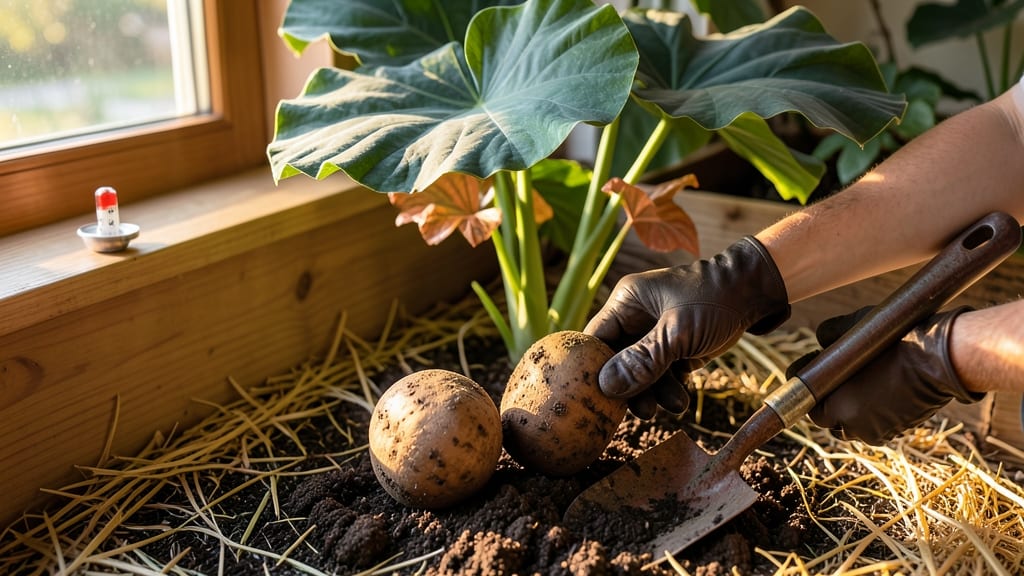
Planting elephant ear bulbs in Missouri at the wrong time means missing out on their show-stopping 5-foot-tall leaves that turn gardens into tropical oases. The key isn't just waiting for spring—it's timing it perfectly after the last frost, when soil temperatures hit 60°F and danger of late freezes has passed.
Most Missouri gardeners in zones 5b-6b should aim for late April to early May, but your exact window depends on whether you're in St. Louis, Kansas City, or the Ozarks.
Too early, and your bulbs will rot; too late, and you'll sacrifice the bold foliage that makes these plants worth growing.
I'll walk you through the exact planting schedule for your region, plus soil prep tricks to handle Missouri's heavy clay. You'll also discover what to do if you miss the window—because even experienced gardeners sometimes need a backup plan.
Let's get those 🌿 elephant ear bulbs in the ground at the perfect moment so you can enjoy their dramatic presence all summer long.
Best planting months for elephant ear bulbs in Missouri’s climate zones
Missouri’s diverse climate zones mean your elephant ear bulbs should go in the ground at slightly different times depending on where you live.
Most gardeners in St. Louis (Zone 6a) and Kansas City (Zone 5b) should aim for late April to early May, while Ozarks growers (Zone 6b) can plant as early as mid-April if soil temperatures stay above 60°F (15°C).
These tropical-looking plants thrive in warmth but despise cold, making timing critical.
Your last frost date is the golden rule—plant elephant ear bulbs only after this date. In Missouri, this ranges from mid-April in southern regions to early May in northern areas.
Using a soil thermometer is your best friend; bulbs need consistent warmth to prevent rot. If you plant too soon, your bulbs may rot in cold, wet soil.
Missouri’s unpredictable spring weather adds another layer of complexity. A late frost can devastate young shoots, so consider covering plants with frost cloth if nighttime temperatures dip below 50°F (10°C) after planting.
In humid southern Missouri, planting in late May can reduce fungal risks, while drier western regions may benefit from earlier plantings to maximize growth before summer heat arrives.
For gardeners in Zone 5b (northern Missouri), early May is your safest bet. Wait until soil temperatures consistently reach 60°F (15°C)—this usually aligns with Mother’s Day weekend.
In Zone 6a/b (central/southern Missouri), you can plant as early as late April, but always monitor weather forecasts for late frosts.
If you’re unsure about your last frost date, check the Missouri State Climatologist’s office or use the Old Farmer’s Almanac for local averages. Remember, elephant ears grow best with 6+ hours of sun daily, so plant them in a south-facing location with well-draining soil.
Poor drainage is the #1 killer of these tropical beauties in Missouri’s clay-heavy soils.
Here’s a quick reference for Missouri’s planting windows by region:
Even if you miss the ideal planting window, don’t panic. Elephant ears are surprisingly forgiving—you can plant them as late as June in Missouri, though they’ll grow slower and may not reach full size.
For container growing, you can even start bulbs indoors in late March and transplant after frost danger passes. Just be prepared to water deeply and mulch heavily to help them establish.
Missouri’s short growing season (about 165 frost-free days) means timing is everything. Plant too late, and your elephant ears won’t mature before the first frost in mid-October.
But with the right timing, you’ll enjoy bold, tropical foliage from summer through early fall, making them a showstopper in any Missouri garden.
For maximum impact, pair your elephant ears with sun-loving perennials like black-eyed Susans or coneflowers. These companions will thrive in the same conditions and create a stunning summer display that’s sure to impress your neighbors.
Best planting months for elephant ear bulbs in Missouri’s climate zones
Missouri’s USDA zones 5b-6b create a tricky balance for elephant ear bulbs—too early, and frost zaps your tropical foliage; too late, and you lose the summer spectacle.
The sweet spot? Late April to early May when soil hits 60°F (15°C), but your exact timing depends on whether you're in St. Louis, Kansas City, or the Ozarks. Let’s break it down by region.
In northern Missouri (St. Louis area, Zone 6a), aim for mid-to-late May after the average last frost date (April 15). Southern Missouri (Zone 7a) gardeners can plant as early as early April if nights stay above 40°F (4°C).
The Ozarks’ cooler microclimates often push planting to May 1-15 for safety.
| Region | Zone | Ideal Planting Window | Soil Temp Threshold |
|---|---|---|---|
| Northern MO (St. Louis) | 6a | Mid-to-late May | 60°F (15°C) |
| Southern MO (Springfield) | 7a | Early April-Mid May | 55°F (13°C) |
| Ozarks (Branson) | 6b | May 1-15 | 60°F (15°C) |
Missouri’s unpredictable spring weather means even the best-laid plans can go awry. If you’re in Zone 6a and face a late frost after planting, cover bulbs with row fabric until temperatures stabilize. For southern Missouri, March plantings are possible if you use cold frames—just monitor soil temps closely.
Pro tip: Use a soil thermometer to confirm readiness. Elephant ear bulbs won’t thrive until soil hits 60°F (15°C), even if air temps seem warm. Clay-heavy Missouri soils also need amending with compost or sand to prevent rot—a common issue when planting too early.
Don’t stress if you miss the traditional window. June plantings can still yield summer foliage, though expect slightly smaller leaves. Just choose shade-tolerant varieties like Albo or Black Beauty for better success in Missouri’s humid summers.
Remember, elephant ears are not true bulbs but rhizomes, meaning they’re more forgiving than delicate tulips. With the right timing and soil prep, you’ll get those bold, tropical leaves thriving in your Missouri garden by June or July—just in time for peak summer color! 🌿