
Plants
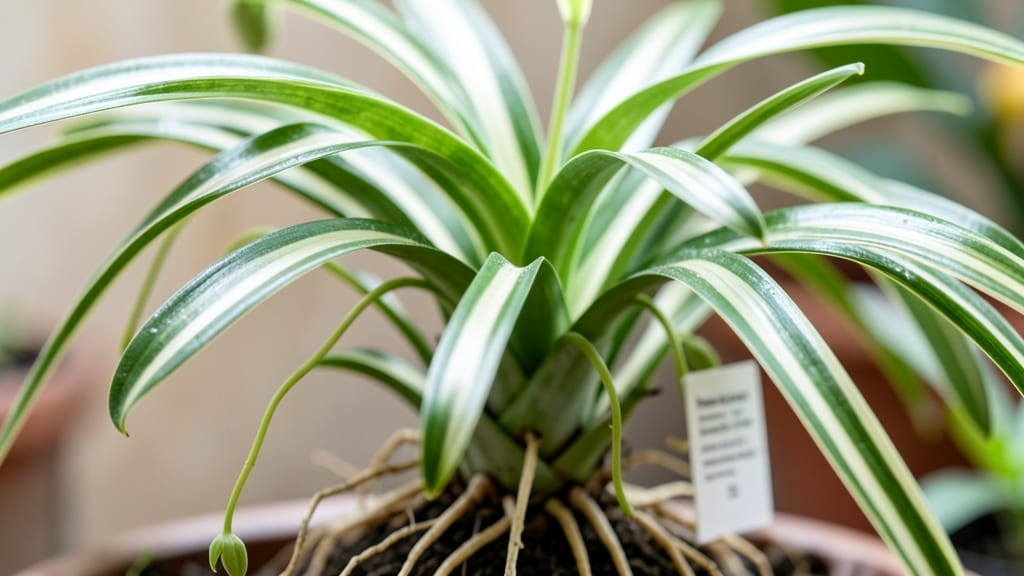
If your 🕷️ Spider Plant is struggling indoors, the answer to how much light does a spider plant need indoors might be simpler than you think—it’s all about finding the right balance. Too little, and those lush leaves turn pale and leggy; too much, and they crisp at the edges.
The key is finding that sweet spot of bright indirect light that keeps your plant thriving without stress.
Most people assume Spider Plants are low-maintenance, but they actually thrive best with medium to bright indirect sunlight. That means placing them near an east or west-facing window where they get filtered light for 4-6 hours daily.
South-facing windows can work too, but only if you add a sheer curtain to diffuse the harsh rays.
Here’s the good news: Spider Plants are incredibly forgiving. Even if you don’t have ideal lighting, I’ll show you how to adjust—whether it’s rotating your plant for even growth or using grow lights in dimmer corners.
Let’s fix that light puzzle so your Spider Plant stays happy and healthy all year round.
You’ll also learn to spot the signs of light stress—like yellowing leaves or brown tips—and how to tweak your setup for perfect conditions. Trust me, once you get this right, your Spider Plant will reward you with bold variegation and vigorous growth that’s hard to ignore.
 Best Window Placement
Spider plant light requirements: ideal conditions for healthy growth
Spider plants (Chlorophytum comosum) thrive in bright indirect light, making them perfect for most indoor spaces. Unlike sun-loving plants, they despise harsh direct rays, which can scorch their leaves.
The key is finding that golden balance—enough light for vibrant growth but not so intense it causes damage.
Most homes provide medium to bright indirect light naturally, especially near north- or east-facing windows. These spots offer gentle morning sunlight without the harsh afternoon glare. West-facing windows can work too, but you’ll need to filter the light with sheer curtains to prevent leaf burn.
Light intensity directly impacts your spider plant’s growth. In low-light conditions, expect slower growth and less vibrant variegation. Conversely, too much direct sun causes crispy brown edges and yellowing. The ideal spot delivers 4-6 hours of filtered light daily, mimicking their natural under-canopy habitat.
Here’s how to visualize the perfect light setup: Imagine placing your plant 2-3 feet away from an east-facing window. This distance ensures bright but diffused light. If your home lacks natural light, don’t worry—fluorescent or LED grow lights can supplement effectively, especially in offices or basements.
| Light Condition | Description | Ideal Placement | Growth Impact |
|---|---|---|---|
| Low Light | North-facing windows or 10+ feet from south windows | Survives but struggles | Slow growth, pale leaves |
| Medium Light | East/west windows or 3-5 feet from south windows | Thrives with care | Balanced growth, vibrant stripes |
| Bright Indirect | 2-3 feet from east/west windows or under sheer curtains | Optimal spot | Fastest growth, rich colors |
| Direct Sun | South windows without filters or midday sun | Avoid at all costs | Brown tips, leaf burn |
One common misconception is that more light is always better. While spider plants love brightness, they’re not desert cacti—they’ll thrive in medium light if you rotate them occasionally.
Every 4-6 weeks, turn your pot a quarter turn to ensure even growth. This prevents lopsided plants and ensures all leaves get equal access to light.
Pay attention to your plant’s foliage variegation—the striped patterns on the leaves. Insufficient light dulls these stripes, making the plant look uniformly green. When placed in ideal conditions, those white or yellow stripes become more pronounced, adding visual appeal.
Think of it as nature’s way of showing appreciation for your perfect lighting setup!
If you’re unsure about your home’s light levels, try this simple test: Hold a piece of white paper near your potential plant spot. If the paper looks bright but not harsh, it’s likely a good match.
If it’s too dim, consider moving closer to a window or adding a grow light. For harsh shadows, you’re in direct sun territory—move immediately to prevent damage.
Remember, spider plants are forgiving—they can adapt to low-light conditions if needed, but they’ll always reward you with healthier growth when given their preferred bright indirect light. Start with the ideal spot, monitor their response, and adjust as needed. Your plant’s happy leaves will thank you!
Spider plant light requirements: ideal conditions for healthy growth
Spider plants (Chlorophytum comosum) thrive in bright indirect light, but they’re famously adaptable to low-light conditions too. The key is understanding how much light your specific plant needs based on its foliage variegation and growth stage.
Variegated varieties with white stripes require more light to maintain their striking patterns, while solid green types tolerate dimmer spaces.
Most homes provide medium to bright indirect light naturally—think of spots near windows but not directly in sunlight. East-facing windows offer gentle morning light, while west-facing windows provide brighter afternoon light without harsh rays. South-facing windows can be too intense unless you use sheer curtains to diffuse the sunlight.
| Light Level | Ideal Placement | Growth Impact |
|---|---|---|
| Low Light (<25% brightness) | North-facing windows, 5+ feet from windows | Slow growth, elongated stems, pale leaves |
| Medium Light (25-50% brightness) | East/west windows, 2-3 feet away | Healthy growth, compact foliage, vibrant colors |
| Bright Indirect (50-75% brightness) | Sheer-curtained south windows, 3-4 feet away | Faster growth, enhanced variegation, bushier plants |
| Direct Sunlight (75%+ brightness) | Unfiltered south/west windows | Leaf burn, crispy edges, weakened stems |
For optimal growth, aim for 4-6 hours of filtered light daily. This mimics their natural habitat under dappled forest light. If your spider plant starts developing long, leggy stems with sparse leaves, it’s craving more light.
Conversely, yellowing leaves or brown tips often signal too much direct sun. Rotate your plant quarter-turns every 2 weeks to ensure even light exposure and prevent lopsided growth.
Variegated spider plants need more light than green varieties to maintain their white stripes. Without enough light, the white sections may revert to green, losing their visual appeal.
Test your plant’s light conditions by observing its leaves: dark green and upright means it’s happy, while pale green and stretched means it needs more light.
Artificial lighting can supplement natural light, especially in low-light rooms. Place your spider plant 6-12 inches under fluorescent grow lights (6,000-7,000K color temperature) for 12-14 hours daily. LED grow lights are also effective but require 14-16 hours of light to mimic long daylight periods.
Remember, consistency is key—sudden changes in light exposure can stress your plant.
If you’re unsure about your home’s light levels, use a light meter app (like "Light Meter" for smartphones) to measure brightness in foot-candles. Spider plants thrive in 250-1,000 foot-candles—any lower and growth slows, while anything above 1,500 foot-candles risks burning.