
Plants
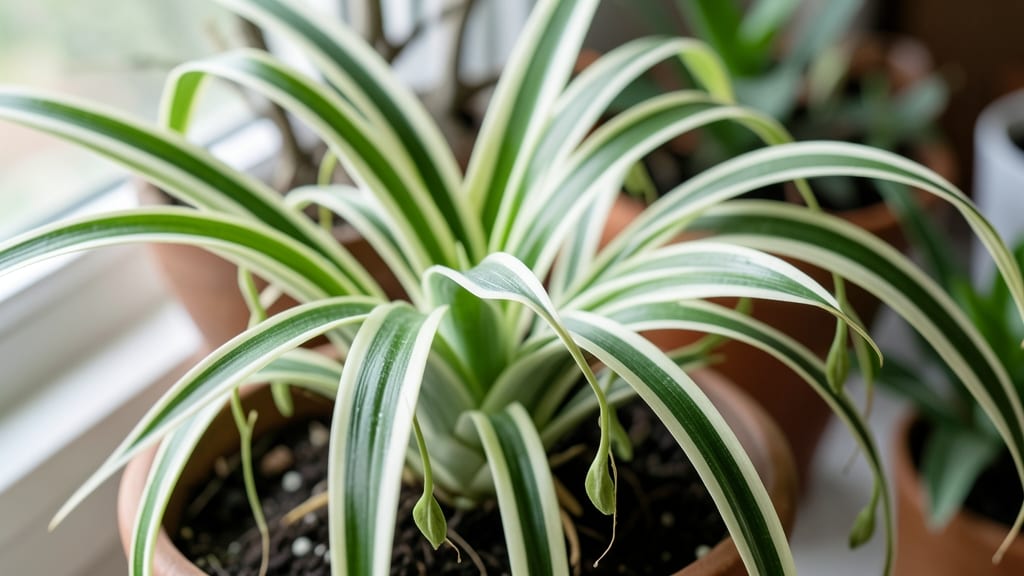
Want to know how much light does a spider plant need to thrive? The answer isn’t complicated—it’s all about light. Too little, and your plant stretches out like it’s searching for a better spot; too much, and those pretty leaves start crisping at the edges.
I’ve seen the difference firsthand: a well-lit spider plant bursts with vibrant green and striped foliage, while a neglected one struggles to survive.
Here’s the good news: spider plants are forgiving when it comes to light. They’ll adapt to low-light offices or bright, filtered sunlight near a window, but there’s a sweet spot where they truly shine.
Whether you’re dealing with brown tips, leggy stems, or just want to encourage more of those adorable "spiderettes," understanding their light needs is the first step to a happier plant.
Let’s break it down: from medium indirect light for beginners to bright indirect light for maximum growth, I’ll show you exactly how to set your spider plant up for success. Plus, I’ll debunk the myth that these plants need direct sun—spoiler alert, they don’t!
By the end, you’ll know not just how much light your spider plant needs, but how to give it exactly what it craves.
Ready to transform your plant from a struggling survivor to a lush, thriving centerpiece? Let’s get started.
 Best Window Placement
Understanding spider plant light requirements: low to bright indirect sunlight explained
If you're wondering how much light does a spider plant need, the answer lies in its natural habitat. These plants thrive in bright, indirect sunlight, mimicking the dappled light of a forest understory.
Unlike sun-loving plants, spider plants avoid harsh rays that can scorch their delicate leaves. The key is finding that sweet spot where your plant gets enough light to grow but isn't overwhelmed by intensity.
Spider plants are famously adaptable, making them perfect for beginner gardeners or busy plant parents. They can survive in low-light conditions, though their growth may slow and they’ll produce fewer plantlets.
For optimal health, aim for medium to bright indirect light, which encourages lush foliage and vigorous propagation. Think of it as the Goldilocks of light—just right, not too much, not too little.
Here’s where things get interesting: variegated spider plants (with white or yellow stripes) need slightly more light than their solid green counterparts. The white tissue in variegated leaves can’t produce energy as efficiently, so they rely on stronger light to stay vibrant.
If you notice the stripes fading to green, it’s a sign your plant is craving more brightness.
Now, let’s talk about what bright indirect light actually looks like in your home. Picture placing your spider plant near an east-facing window where morning sun gently filters through.
Alternatively, a spot 2-3 feet away from a south or west-facing window works well, provided you shield it from direct afternoon rays with a sheer curtain. This setup mimics the perfect balance of light intensity spider plants crave.
🌿
Spider Plant Light Requirements Summary
| Light Level | Ideal Conditions | Growth Impact |
|---|---|---|
| Low Light | North-facing windows, offices, or rooms without natural light | Survives but grows slowly; fewer plantlets; leggy stems |
| Medium Light | East-facing windows or 3-5 feet from south/west windows | Healthy growth; moderate plantlet production; vibrant green leaves |
| Bright Indirect Light | 2-3 feet from east/west windows or filtered south light | Optimal growth; abundant plantlets; rich color in variegated varieties |
| Direct Sunlight | South/west windows without shade or outdoor exposure | Leaf burn; crispy brown edges; stunted growth |
One common misconception is that spider plants can thrive in direct sunlight, especially if you’ve seen them growing outdoors. While they can handle some outdoor conditions, prolonged exposure to harsh rays will cause leaf burn, turning the tips brown and crispy.
If you’re growing your spider plant outside in summer, choose a spot with morning sun and afternoon shade, like under a patio cover or near a tree.
Pay attention to your spider plant’s growth patterns as a natural light meter. Healthy leaves should be arching slightly and growing upright, with a vibrant green color. If the leaves start stretching toward the light source (a condition called etiolation), it’s a clear sign your plant needs more brightness.
On the flip side, if the leaves develop yellow patches or brown spots, you’re likely overdoing it with direct light.
For those of us with limited natural light, don’t despair! Spider plants are one of the most forgiving houseplants when it comes to light. Even in a low-light office or basement, your spider plant can survive—though it may grow more slowly.
If you notice the leaves losing their variegation or becoming dull, consider supplementing with a grow light for a few hours a day to keep your plant happy and thriving.
🪴
Signs your spider plant isn’t getting enough (or too much) light
Your spider plant’s leaves tell a story about its light conditions. If the leaves turn yellow or develop brown tips, it’s often a cry for help. These signs usually mean your plant is either basking in too much direct sun or struggling in dim, low-light conditions.
Pay close attention to the growth patterns—leggy, sparse foliage is a classic sign of insufficient light, while crispy edges suggest sunburn from harsh rays.
Variegated spider plants (with white or yellow stripes) are especially sensitive to light. If the green parts dominate and the variegation fades, your plant is likely starved for brightness. On the flip side, if the leaves look bleached or pale, it’s getting too much intense light.
These visual cues help you adjust care routines quickly before problems escalate.
🌿
⚠️ Warning: Common Light-Related Mistakes
- Placing near south-facing windows → Leads to sunburned leaves.
- Ignoring variegation needs → Causes reversion to solid green.
- Using fluorescent bulbs too far away → Results in stunted growth.
- Overwatering in low light → Triggers root rot from stress.
Pro Tip: Rotate your plant quarter-turn weekly to ensure even light exposure.
To fix underlit spider plants, move them closer to a bright, indirect light source, like an east-facing window. If your space lacks natural light, consider a grow light placed 6-12 inches above the plant for 12-14 hours daily.
For plants suffering from too much sun, shift them to a shadier spot or use a sheer curtain to diffuse harsh rays.
Remember, spider plants are adaptable, but they thrive in consistent conditions. If you notice changes, act within a week to prevent permanent damage. Even small adjustments—like moving a few feet closer to a window—can make a dramatic difference in your plant’s health and appearance.
🪴
For variegated varieties, aim for medium to bright indirect light to maintain their striking patterns. Green spider plants are more forgiving and can tolerate lower light levels, but they’ll still reward you with healthier growth when given optimal conditions.
Observe your plant daily, and you’ll quickly learn its unique preferences.