
Plants
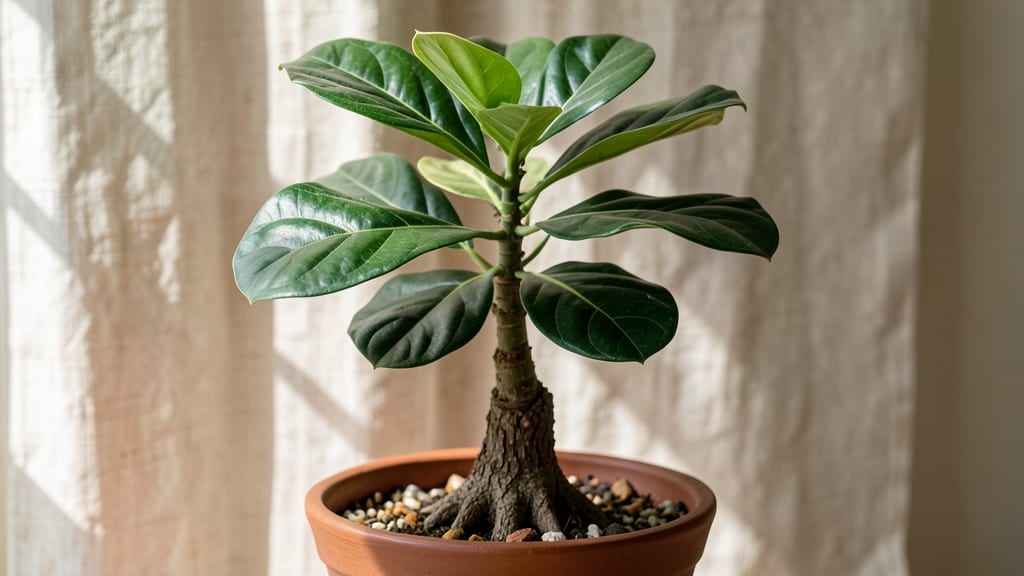
Ficus light requirements: ideal brightness levels for growth and health
Ficus plants are one of the most popular houseplants because they adapt well to low-light conditions, but that doesn’t mean they’ll thrive in darkness. The key is finding the sweet spot of bright indirect light—enough to fuel growth but not so intense it causes leaf burn.
Most ficus varieties, like the Ficus elastica (rubber plant) or Ficus benjamina (weeping fig), prefer 4-6 hours of filtered sunlight daily. This mimics their natural habitat under the forest canopy, where they receive dappled light.
If your ficus is struggling, the first step is assessing your space’s light intensity. Hold a piece of white paper near your plant during the day—if you can’t read the text easily, it’s likely too dim.
Conversely, if the paper appears yellowed or bleached, your plant is getting too much direct sun. Ficus plants are sunlight-sensitive, so even a few hours of harsh afternoon rays can scorch their leaves, leading to crispy brown edges.
Ficus lyrata (fiddle-leaf fig) is slightly more demanding than other ficus types, requiring moderate to bright indirect light to maintain its vibrant foliage. Without enough light, its leaves may lose their striking patterns and turn dull green. Meanwhile, Ficus elastica varieties like ‘Black Prince’ or ‘Tineke’ are more forgiving, tolerating low-light conditions for longer periods, though they’ll grow slower and may become leggy.
Here’s how to translate light requirements into real-world placement: North-facing windows provide the gentlest, most consistent light, while east-facing windows offer morning sun that’s less intense than afternoon rays. Avoid south-facing windows unless you’re using a sheer curtain to diffuse the light.
In west-facing rooms, position your ficus at least 6 feet away from the window to prevent leaf scorch from the hot afternoon sun.
| Ficus Variety | Ideal Light Conditions | Signs of Too Little Light | Signs of Too Much Light |
|---|---|---|---|
| Ficus elastica (Rubber Plant) | Low to bright indirect light (1,000–2,000 foot-candles) | Leggy growth, small leaves, pale yellowing | Brown crispy edges, bleached patches |
| Ficus benjamina (Weeping Fig) | Medium indirect light (1,500–2,500 foot-candles) | Dropping leaves, slow growth, sparse foliage | Yellowing between veins, leaf scorch |
| Ficus lyrata (Fiddle-Leaf Fig) | Bright indirect light (2,000–3,000 foot-candles) | Dark green leaves, loss of variegation | White/yellow spots, leaf drop |
Understanding your ficus’s light needs isn’t just about placement—it’s also about seasonal adjustments. During winter, when natural light is weaker, ficus plants may need a supplement like a grow light to maintain health.
Conversely, in summer, you might need to rotate your plant weekly to ensure even light exposure on all sides. Uneven growth (where one side stretches toward the light) is a classic sign your ficus is light-deprived on one side.
One common misconception is that ficus plants can thrive in complete darkness. While they’re more tolerant than many houseplants, prolonged low light leads to weak stems and sparse leaves.
If you notice your ficus’s leaves are smaller than usual or the stems are stretching excessively (a condition called etiolation), it’s time to move it closer to a brighter spot. Even a 1-foot shift toward a window can make a dramatic difference in its growth rate and overall appearance.
For office or apartment dwellers with limited natural light, consider placing your ficus near a skylight or glass door, where indirect light is often brighter than in the center of a room.
If your space lacks windows, a full-spectrum LED grow light placed 12–18 inches above the plant for 12–14 hours daily can mimic ideal conditions. Just avoid placing the light too close, as this can cause leaf burn even with artificial lighting.
Pro tip: Pay attention to your ficus’s leaf color—healthy foliage should be vibrant and glossy. If the leaves start developing yellow patches or brown spots, it’s your plant’s way of communicating a light imbalance.
Act quickly: adjust placement, rotate the pot, or supplement with a grow light to restore equilibrium. With the right light conditions, your ficus will reward you with lush, dark green leaves and steady growth for years to come.
How to adjust your home’s lighting for a ficus plant’s success
Your ficus plant’s survival depends on matching your home’s lighting to its needs. Most homes lack the bright indirect light ficus craves, but with a few strategic tweaks, you can create the perfect environment.
Start by identifying your space’s natural light—is it dim, moderate, or overly bright? This simple assessment will guide your next steps.
For low-light rooms, focus on maximizing existing light by keeping curtains sheer and placing your ficus near east or north-facing windows. These windows provide gentle morning or all-day filtered light, ideal for ficus varieties like Ficus lyrata (fiddle-leaf fig).
Avoid south or west windows unless you use sheer curtains or blinds to diffuse harsh rays.
🌿
- North Window: Consistent bright indirect light all day.
- East Window: Morning sun (gentler than afternoon light).
- West Window: Use only with sheer curtains to avoid afternoon heat.
- Avoid: South-facing windows (direct sun burns leaves).
- LEDs (6500K): Mimic natural daylight for 12-14 hours/day.
- Grow Lights: Place 6-12 inches above plant for full-spectrum coverage.
- Fluorescent Bulbs: Avoid standard bulbs—they lack red/blue spectrum ficus needs.
- Hold a white sheet of paper near your ficus for 1 hour.
- If it’s hard to read text, your space is too dim.
- If you see sharp shadows, add a sheer curtain.
- Winter: Supplement with grow lights if days are short.
- Summer: Move ficus away from hot windows to prevent leaf scorch.
- Year-Round: Rotate plant quarterly for even growth.
If your home lacks windows, grow lights are a game-changer. Opt for full-spectrum LEDs (like those from Sylvania Gro-Lux) and place them 6-12 inches above your ficus. Run them for 12-14 hours daily to mimic natural daylight cycles.
For budget-friendly options, fluorescent bulbs (like Philips Cool White) can work, but they’re less effective for long-term growth.
Pro tip: Rotate your ficus every 2-4 weeks so all sides receive even light. This prevents lopsided growth and ensures your plant stays symmetrical and healthy. Even a few minutes of direct sunlight can cause leaf burn, so always monitor your plant’s reaction after adjustments.
🪴