
How To
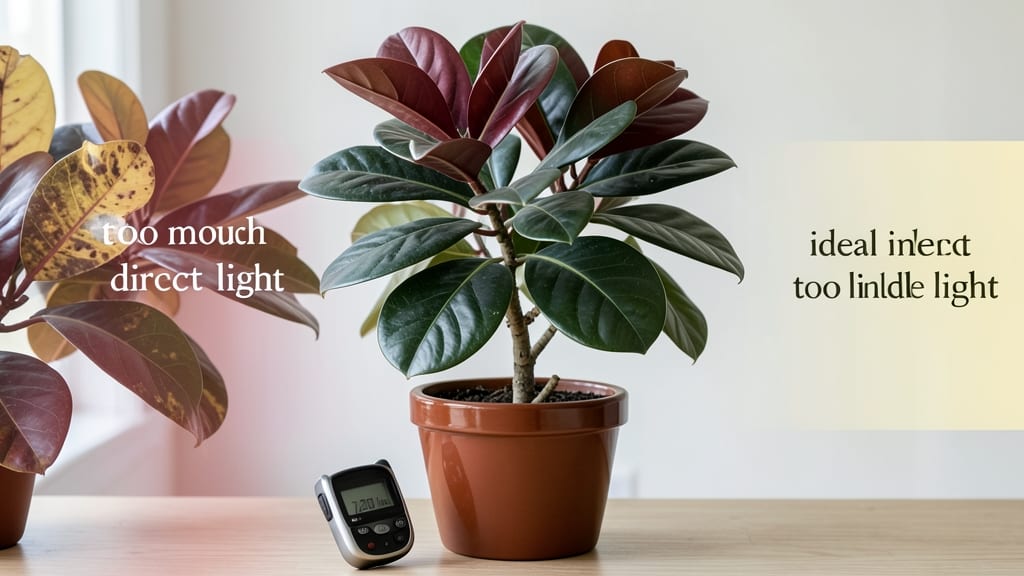
If your rubber plant’s leaves are looking dull or crispy at the edges, you’re probably guessing about rubber plant how much light it really needs. Too little light makes those glossy leaves stretch out awkwardly, while too much turns them into sad, sunburned patches.
The good news? Finding the sweet spot isn’t as tricky as it seems—once you know the signs to watch for and how to tweak your space.
Rubber plants (that’s 🌿 Ficus elastica for the plant nerds) are surprisingly forgiving, but they do have preferences. They thrive in bright, indirect light—think of it like a cozy reading nook where the sun’s rays are diffused, not harsh.
That means east or north-facing windows are their ideal hangouts, though they’ll adapt to medium light if you’re working with what you’ve got.
Here’s the game-changer: most people overcomplicate it by assuming their rubber plant needs direct sunlight. Spoiler alert—it doesn’t. In fact, that’s a common mistake that leads to brown spots or leggy growth.
I’ll show you exactly how to spot the difference between happy leaves and stressed-out ones, plus 5 easy fixes to adjust your plant’s light situation without buying fancy equipment.
Whether you’re dealing with a south-facing window that’s too intense or a dim corner that’s leaving your plant looking tired, we’ll cover it all.
By the end, you’ll know not just how much light your rubber plant needs, but how to give it the perfect conditions to keep those leaves bold and beautiful year-round.
Ideal rubber plant light requirements by room type (with growth signs)
Rubber plants (Ficus elastica) thrive in bright, indirect light, but their needs vary dramatically depending on your home’s layout. Unlike sun-loving succulents, they can’t handle harsh direct rays—those leggy stems or bleached leaves are classic signs of light stress.
Let’s break down the perfect spots for your plant’s leaf health and growth rate, plus how to spot when it’s getting too much (or too little) sunshine.
North-facing windows offer the gentlest light for rubber plants, providing 2-4 hours of filtered sunlight daily. This is ideal for maintaining those bold, glossy leaves without risking sunburn. South-facing windows, however, require sheer curtains to diffuse the intensity—direct exposure here can cause brown patches or crispy edges within weeks.
East or west windows strike a balance, offering morning or afternoon light that’s bright but not scorching. Place your plant 3-5 feet away from these windows to avoid over-exposure.
Even in these spots, watch for yellowing leaves—a telltale sign your plant is getting too much direct sun, especially in summer.
If your home only has low-light conditions, don’t despair! Rubber plants tolerate artificial grow lights (12-14 hours daily) or even dim corners near fluorescent bulbs.
Just expect slower growth and smaller leaves. The key is consistency—avoid moving your plant between high-light and low-light spots, as sudden changes shock the foliage.
Seasonal adjustments are crucial. In winter, when natural light dims, supplement with a grow light 6 inches above the plant for 6 hours daily. Conversely, in summer, rotate your plant weekly to ensure even light exposure—this prevents lopsided growth and stretched stems reaching for sunlight.
Here’s how to diagnose light issues quickly:
- Pale, yellow leaves = Too much direct sun
- Dark green, small leaves = Not enough light
- Brown patches = Sunburn from harsh rays
- Leggy stems = Stretching for light
| Room Type | Light Conditions | Growth Signs | Adjustments Needed |
|---|---|---|---|
| North Window | Bright indirect (6 AM–4 PM) | Glossy, dark green leaves | None—ideal placement |
| South Window | Direct sun (afternoon) | Brown patches, crispy edges | Add sheer curtain; move 5+ feet away |
| East/West Window | Morning/afternoon light | Healthy growth, vibrant colors | Rotate weekly for even growth |
| Low-Light Corner | Fluorescent/artificial light | Small, dark green leaves | Use grow light 12+ hours/day |
Pro tip: Test your spot for 2 weeks before committing. Place a white piece of paper near your plant—if you can’t read it easily after 2 hours, the light is too dim.
If the paper yellows or burns, the light is too harsh. This simple trick saves your rubber plant from light shock and keeps those showstopping leaves in top condition.
Remember, rubber plants are forgiving but not indestructible. Even a few hours of direct sun can damage their delicate foliage. By matching your plant’s placement to your home’s light map, you’ll avoid the most common mistakes and enjoy lush, healthy growth year-round.
Ideal rubber plant light requirements by room type (with growth signs)
Rubber plants (Ficus elastica) thrive in bright, indirect light, but their needs vary depending on your room’s natural lighting. Unlike sun-worshipping succulents, they despise harsh direct sunlight, which burns their glossy leaves.
Instead, aim for 2-4 hours of filtered light daily, like what you’d get from an east-facing window or a sheer-curtained south window.
North-facing rooms often provide the gentlest light for rubber plants, making them ideal for low-light-tolerant varieties like ‘Black Prince.’ If your space feels dim, don’t panic—rubber plants can adapt to artificial grow lights (12-14 hours/day) or even fluorescent bulbs 6 inches above the leaves.
The key is consistency: sudden light changes stress them out.
🌿 GROWTH SIGNS TO WATCH: Your rubber plant’s leaves speak volumes. Leggy stems with small leaves? It’s begging for more light. Yellowing leaves or brown crispy edges? You’ve overdone it. Even pale, dull foliage signals insufficient light—time to relocate!
| Room Type | Light Level | Ideal Window | Growth Signs |
|---|---|---|---|
| Bright Room (South/West) | Bright Indirect | 3-5 ft from window | Glossy leaves, compact growth |
| Medium Room (East/North) | Medium Light | 1-3 ft from window | Healthy but slower growth |
| Dim Room (No Windows) | Low Light | Grow lights (12 hrs/day) | Leggy stems, sparse leaves |
Pro tip: Rotate your rubber plant every 2-3 weeks to ensure even light exposure. This prevents lopsided growth where leaves stretch toward the light source.
If you notice white crusty spots on leaves near windows, it’s sunburn—move it back immediately or add a light sheer curtain to diffuse the glare.
Seasonal shifts matter too! In summer, your rubber plant may need afternoon shade to prevent scorching, while winter’s weaker light might require supplementing with a LED grow bulb. Pay attention to how your plant reacts—its leaves are your best barometer for success.
Remember, rubber plants are survivors. Even in low-light offices, they’ll live for years, though their growth may slow. The goal isn’t perfection—it’s finding the sweet spot where your plant stays happy, healthy, and lush. Start with these guidelines, then tweak based on your plant’s personality!