
Plants
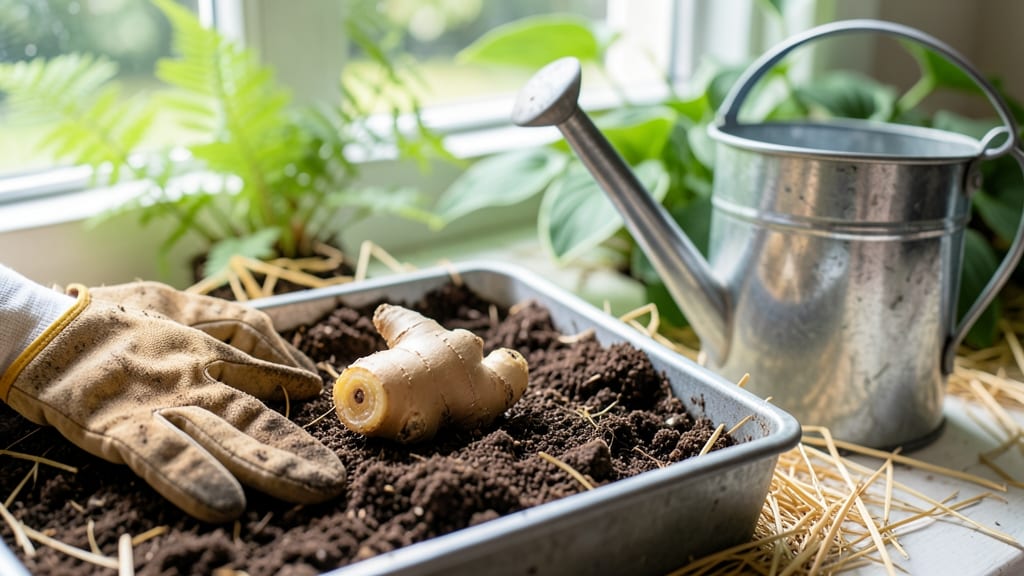
If you've ever tried when to plant ginger in California only to watch your rhizomes fail, timing might be the missing piece. The state's frost-free climate gives you year-round planting flexibility—but planting at the wrong time can still spell disaster for your harvest.
Most gardeners assume fall is the only window, but soil temperature is actually the real game-changer. Ginger roots need warm soil (60-70°F) to sprout, which means coastal areas like San Francisco can plant earlier than inland spots like Sacramento.
I'll break down the exact months to plant based on your microclimate, plus how to prep rhizomes for success. Whether you're growing for harvest or just love the tropical vibes, these tips will help you avoid common mistakes that ruin ginger crops.
Ready to turn your garden into a ginger powerhouse? Let's dive into the perfect planting schedule for your California zone.
California’s ideal ginger planting zones and soil temperature triggers
Ginger (Zingiber officinale) thrives in California’s frost-free climate, but success hinges on soil temperature and USDA zones. Unlike frost-sensitive crops, ginger prefers warm soil—planting too early in cooler regions (like the Bay Area) can stall growth, while Southern California’s extended warm season allows year-round planting.
The key is waiting until soil reaches 60–70°F, when rhizomes sprout reliably.
California spans USDA zones 8–11, but microclimates create critical differences. Coastal areas (e.g., San Francisco) have cooler, foggy summers, while inland valleys (e.g., Central Valley) bake in heat. Ginger’s tropical roots mean it avoids frost entirely, but soil warmth dictates planting windows.
For example, Los Angeles (Zone 10) can plant anytime, while Sacramento (Zone 9) waits for spring warmth.
Here’s how to match your region to ginger’s needs:
| Region | USDA Zone | Best Planting Time | Soil Temp Trigger |
|---|---|---|---|
| Northern CA (Bay Area) | 9b–10a | March–April | 60–65°F |
| Central Valley | 9a–10b | February–May | 65–70°F |
| Southern CA (LA/SD) | 10a–11 | Year-round | 60°F+ |
| Coastal (SF/Ocean Side) | 9b–10a | April–May | 62–68°F |
Coastal fog delays soil warming, so gardeners in San Francisco or Santa Barbara should wait until mid-spring when morning temps consistently stay above 60°F. Inland areas like Fresno or Bakersfield can plant as early as February, thanks to faster soil warming.
Use a soil thermometer to confirm—ginger rhizomes won’t sprout until soil hits 60°F for 3+ days.
Another critical factor is rhizome size. Larger rhizomes (2–3 inches) establish faster and tolerate cooler soil better than tiny pieces. For Northern California, I recommend pre-sprouting rhizomes indoors in late winter (place in a warm, humid spot like a propagator) to jumpstart growth.
Southern California gardeners can plant directly into the ground anytime, but fall planting yields harvests by late summer.
Ginger’s partial shade tolerance also varies by region. In hot inland zones (e.g., Palm Springs), provide afternoon shade to prevent rhizome stress. Coastal areas with cool summers can handle morning sun only.
Mulch heavily (3–4 inches of straw or wood chips) to retain soil warmth and moisture—this is especially vital in drought-prone zones like San Diego.
One common misconception is that ginger needs full sun. While it tolerates 4–6 hours of sunlight, too much direct heat (especially in Central Valley summers) can scorch leaves and stunt rhizome growth.
Aim for dappled shade or east-facing beds to balance light and temperature. If your garden gets intense afternoon sun, pair ginger with taller plants like banana trees for natural shade.
For container growing (ideal for urban gardeners), use black pots to absorb and retain heat—ginger roots thrive in warmth. Place containers near south-facing walls or under patio umbrellas to regulate temperature.
In cooler microclimates, a greenhouse or cold frame extends the planting window by 2–3 weeks in early spring.
Pro tip: If you’re growing ginger for harvest, time planting to yield rhizomes 10–12 months later. For example, a March planting in the Bay Area will be ready by January–February of the following year.
Southern California gardeners can double-crop—plant in fall for winter harvests or spring for summer yields.
California’s ideal ginger planting zones and soil temperature triggers
Ginger thrives in California’s USDA Zones 9b-11, where frost-free winters create perfect conditions. Unlike northern climates, soil temperature—not frost dates—dictates planting success. Ginger rhizomes need soil between 60-70°F to sprout, making fall and winter the sweet spot for most regions.
Coastal areas like San Francisco and Santa Barbara have cooler, damp winters, while inland valleys (e.g., Central Valley) stay warmer year-round. This means your planting window shifts 2-3 months earlier in Southern California compared to the Bay Area.
🌱
🌿 Ginger Planting Conditions in California
| Region | Best Planting Months | Soil Temp Threshold | Microclimate Notes |
|---|---|---|---|
| Northern CA (Bay Area) | Oct–Dec | 60–65°F | Cooler winters; use mulch |
| Central Valley | Year-round | 65–70°F | Warmest zone; ideal for year-round harvests |
| Southern CA (LA/SD) | Jan–Mar | 65–70°F | Drier summers; water deeply |
| Coastal (Santa Barbara) | Sep–Nov | 60–68°F | Humid; avoid waterlogging |
For container gardening, ginger adapts well to urban spaces. Use well-draining pots and place them in partial shade during summer to prevent rhizomes from overheating. In cooler microclimates, like higher elevations in Northern California, pre-sprout rhizomes indoors under grow lights for 4-6 weeks before transplanting.
Soil prep is critical: ginger hates soggy roots but needs consistent moisture. Amend clay soils with compost or coconut coir to improve drainage. A pH of 6.0-7.0 ensures optimal nutrient uptake for rhizome development.
🌡️
Pro tip: Use a soil thermometer to monitor temperatures. If your soil dips below 55°F, delay planting or use a cloche or row cover to maintain warmth. In Southern California’s desert regions, summer planting is risky—ginger prefers cooler roots and may struggle in 90°F+ soil.